Yes, two portable bars can stand side by side to create a longer serving area, but physically connecting them requires a joining method approved for the exact models. Matching heights or pushing the ends together does not make the bars one structural unit. Keep each bar independently supported, and do not bridge the joint with a countertop unless the manufacturer approves that configuration.
- Can two portable bars be connected together? Physical joining requires manufacturer-approved compatibility; side-by-side placement is different.
- Build a Bar suits hosts who want portable bar displays with swappable fabric covers for different party themes.
- Check countertop alignment, independent support, guest access, and the approved joining instructions before arranging two portable bars.
Why this matters
A longer-looking bar and a connected bar solve different problems. For your 2026 party setup, decide whether you need more serving space, a coordinated front, or an actual joined structure before shopping for another unit.
Two separate bars can provide adjacent serving surfaces without becoming a single counter. Start with the portable event bar buying guide to plan the serving area, storage, and transport together.
Can two portable bars be connected together?
Yes, if their manufacturer specifies a compatible joining system; otherwise, treat them as separate freestanding bars. A similar appearance is not evidence that frames, tops, or attachment points work together.
Choose the arrangement that answers your actual party problem:
| Arrangement | Best for | Main benefit | Limitation or check |
|---|---|---|---|
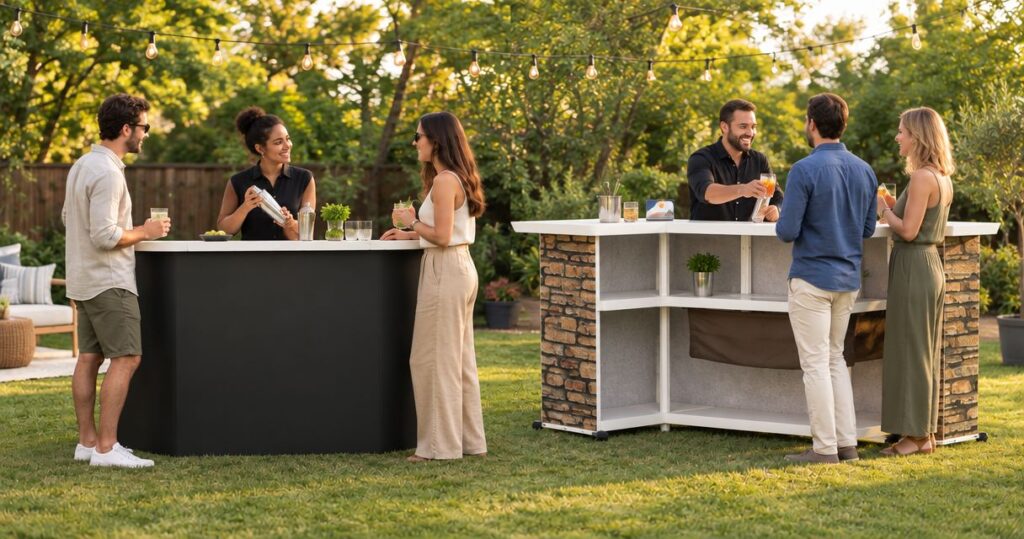
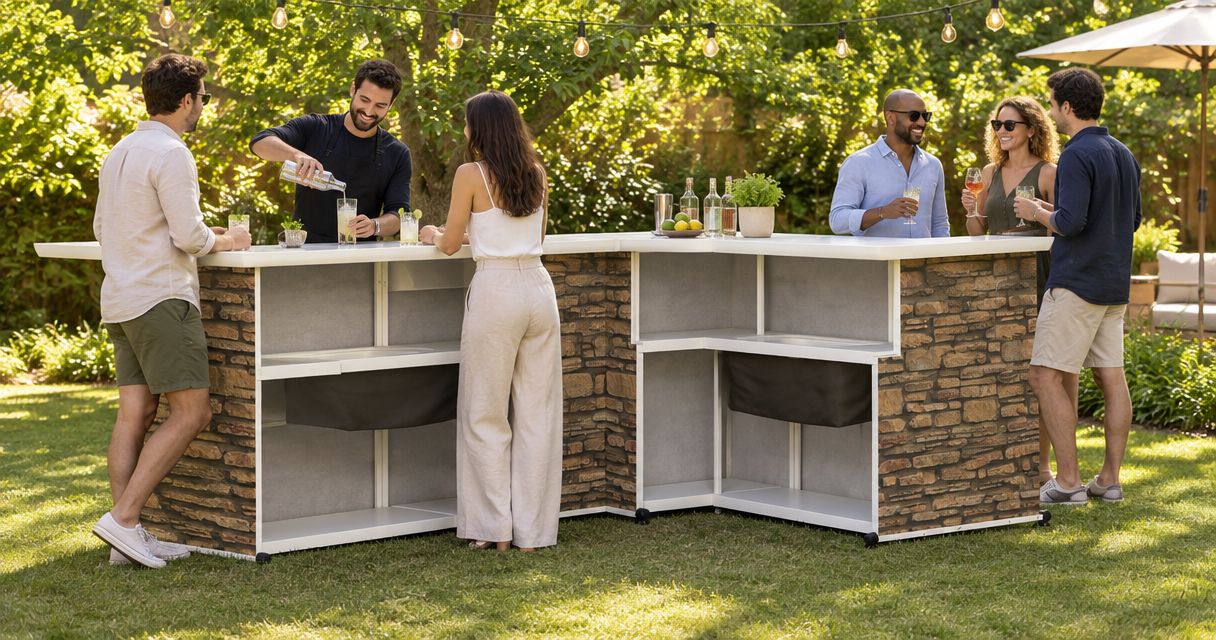
| Side-by-side bars | A longer serving front | Places separate serving surfaces next to each other | The seam remains; each unit needs its own support |
| Manufacturer-approved linked bars | A physically joined setup | Uses the joining method specified for the models | Requires confirmed compatibility and assembly instructions |
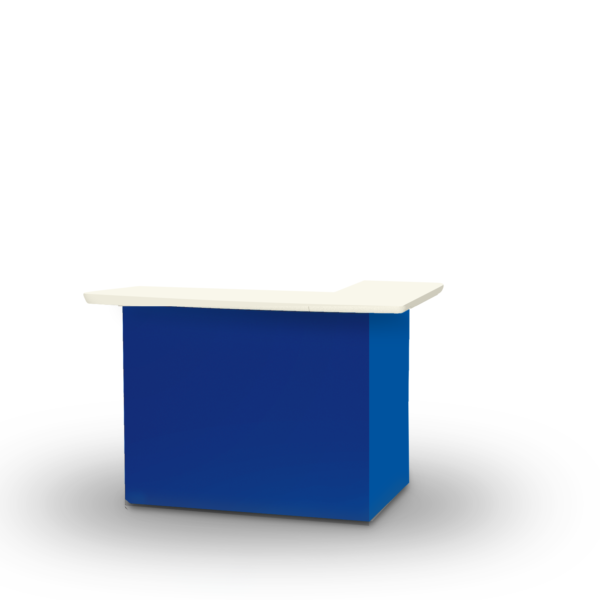
| L-shaped bars | Separating serving tasks | Gives each side a distinct role | The inside corner needs a workable layout |
| Separate stations | Keeping different activities apart | Lets you place drinks and supplies in different locations | Does not create one long bar |
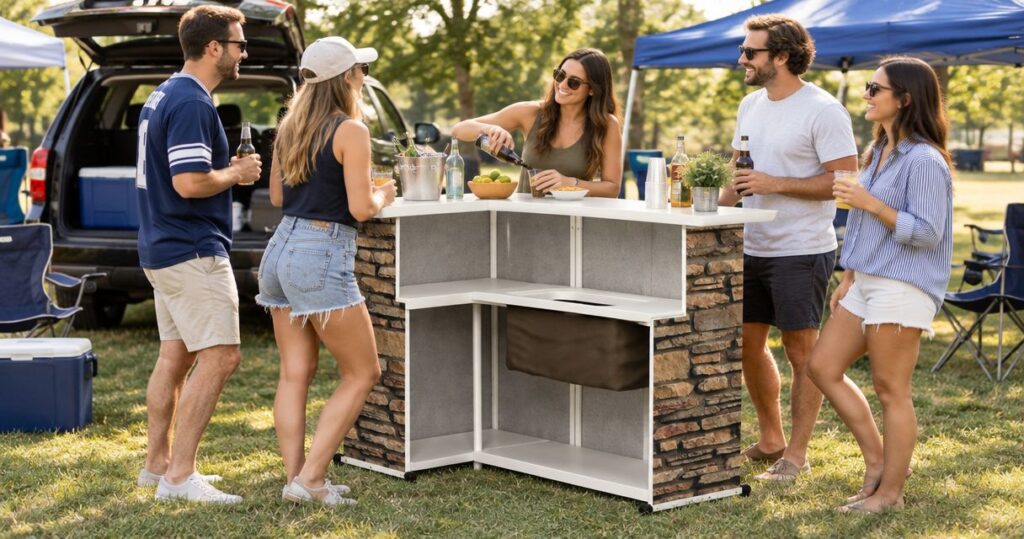
For a birthday, adjacent bars can put drinks on one surface and cups on the other. For gameday, separate stations let you place refreshments where they fit the space. Neither arrangement requires describing the bars as mechanically connected.
What counts as a real connection?
A real connection follows the manufacturer's instructions for the specific bar models and joining components. Ask whether the approved arrangement joins the frames, the countertops, or both; those are different details.
Do not assume matching covers, similar tubing, or flush-looking tops establish compatibility. A coordinated appearance is a decorating choice, not proof of structural compatibility.
Side-by-side bars: best for a longer serving front
Side-by-side placement is the straightforward choice when you want guests to approach one serving area. Position each unit according to its own setup instructions, then check the meeting point without forcing the frames together.
The benefit is flexibility: you can rearrange the units for another gathering. The trade-off is the seam, which still needs attention even when the fronts look matched.
- Keep serving trays fully supported on an individual countertop.
- Check that handles, shelves, or frame parts do not interfere where the bars meet.
- Leave room to reach supplies behind both units.
- Keep the joint away from tasks that require sliding items across the counter.
For example, place cups and napkins on one bar and pour drinks on the other. That gives each surface a job without relying on an uninterrupted top.
Linked bars: best for an approved connected layout
Choose a physically linked arrangement only after confirming that the exact units support it. For a 2026 purchase, ask for current assembly instructions rather than relying on a photograph of bars standing together.
The benefit is using an arrangement the manufacturer has specified. The limitation is compatibility: a connector intended for one frame or model is not permission to attach another.
Before ordering joining parts, ask:
- Which exact bar models does the joining system fit?
- What components are required for the complete arrangement?
- Does each bar retain all its original legs and supports?
- Is a continuous countertop specifically approved?
- What assembly and use restrictions apply?
Do not substitute a homemade connection for an approved joining method. If the instructions do not cover the arrangement you want, keep the units independent and ask the manufacturer about suitable alternatives.
L-shaped bars: best for splitting party tasks
An L-shaped arrangement gives you a way to separate activities without putting everything in a straight line. You might use one side for pouring drinks and the other for cups, garnishes, and napkins.
The benefit is task separation. The trade-off is the corner: check that you can reach supplies and move behind the bars without squeezing between frames or blocking access.
Treat the corner as a layout decision, not an automatic connection. Do not assume that a top can bridge the corner or that one bar can support the end of another.
Separate stations: best for different gathering areas
Separate stations make sense when one long serving front is not your real priority. At a backyard party, you can place a drink-preparation station apart from a self-serve cup and napkin station.
This arrangement lets you assign clear roles to each bar. Its limitation is duplication: decide where shared supplies belong so you are not repeatedly crossing the party to fetch them.
Before buying another unit, sketch both arrangements. A longer line of bars is not automatically more useful than two thoughtfully placed stations.
Why portable bar compatibility varies
For your 2026 shortlist, compare the details that affect how the bars meet—not just their front-facing appearance. These checks matter whether the units share a brand name or come from different sellers.
- Countertop height: Check the assembled height of each unit. A height difference creates a step rather than a continuous serving plane.
- End shape: Rounded ends, overhangs, and projecting frame parts affect how closely the units can sit.
- Frame design: Joining requires suitable attachment points and instructions, not merely surfaces that touch.
- Support requirements: Keep the legs, braces, shelves, and other required supports in their instructed positions.
- Surface and location: Follow the setup requirements for the ground or floor beneath each bar.
- Cover access: Check whether placing the units together obstructs cover attachment, removal, or access to storage.
These factors are a checklist for confirmation, not a reason to improvise around a mismatch. If a proposed arrangement needs an unapproved modification, choose another layout.
How do you plan a longer bar before the party?
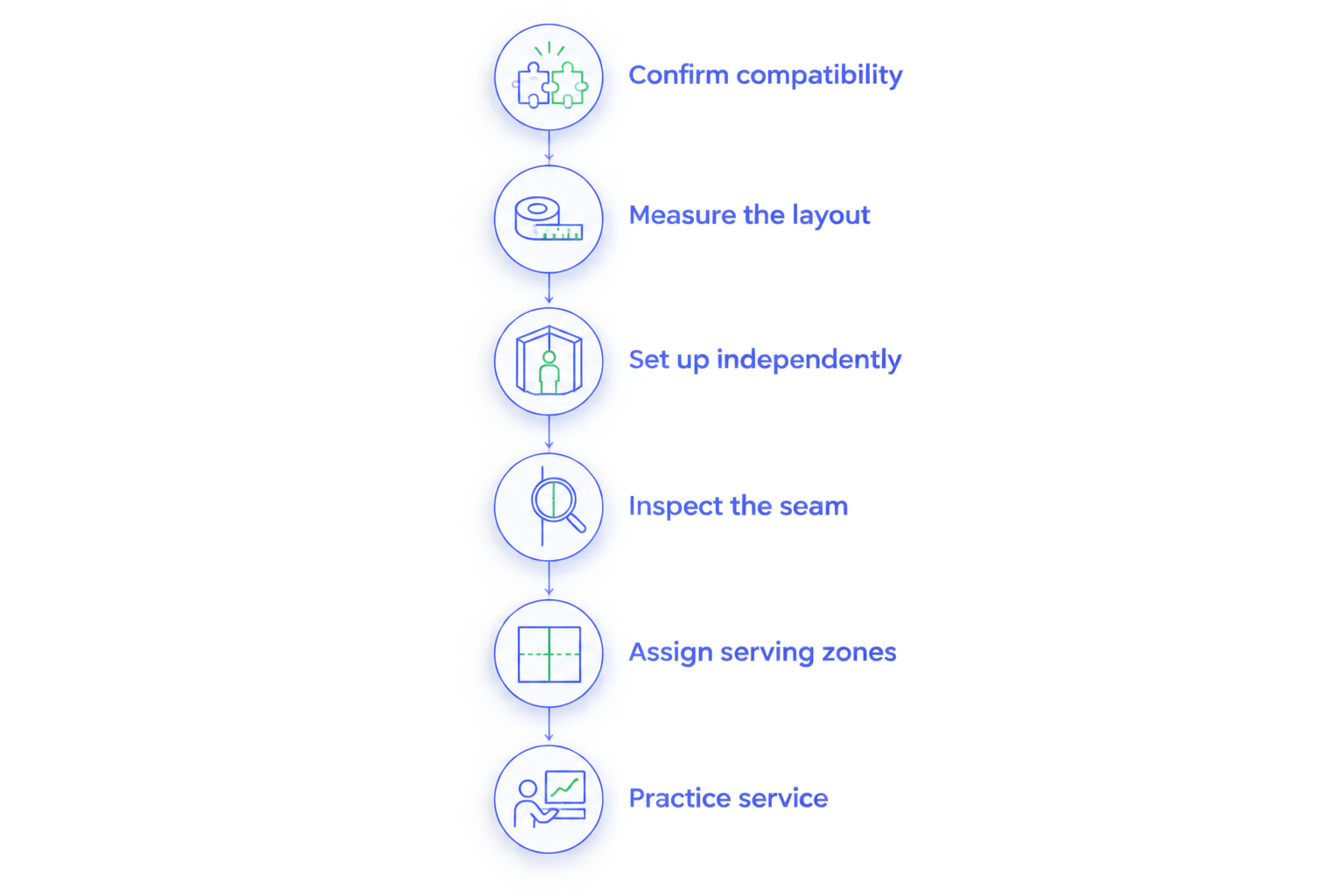
Use this sequence before guests arrive. A full practice setup lets you check the arrangement with the supplies you actually intend to use.
- Confirm compatibility. Identify both models and read their setup instructions. Ask about physical joining separately from side-by-side placement.
- Measure the layout. Record each assembled footprint, then mark the proposed serving area and access behind it.
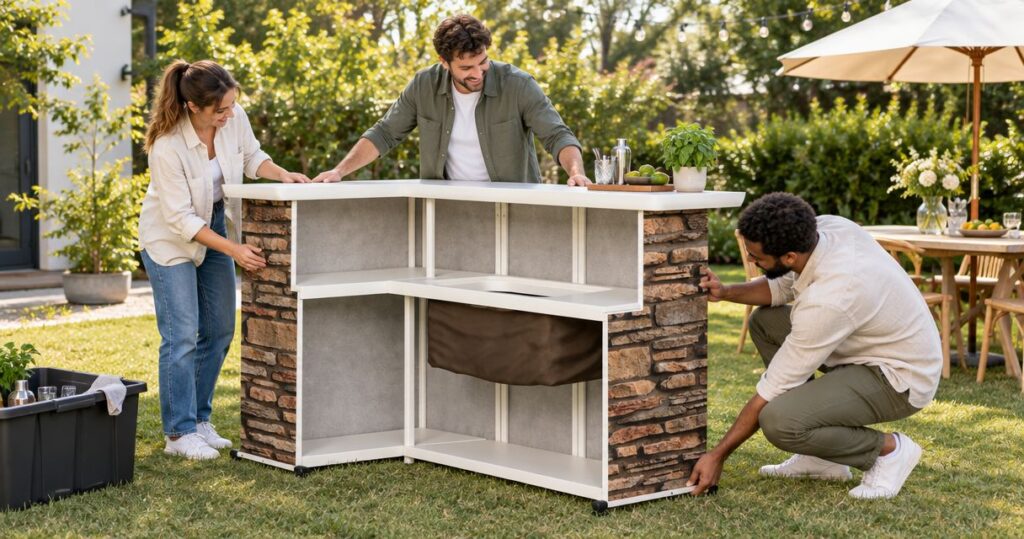
- Set up independently. Assemble each bar completely on a suitable surface before positioning them together.
- Inspect the seam. Look for a step, gap, projecting hardware, or interference between frames. Do not force alignment.
- Assign serving zones. Keep each tray, appliance, and container supported as required by the relevant instructions.
- Practice service. Walk behind the arrangement, reach your supplies, and check the guest approach before finalizing the position.
Keep these checks on your 2026 hosting list. Repeat them when the venue, ground surface, or bar arrangement changes rather than assuming a previous setup applies everywhere.
Match the party design without changing the bar
Sometimes the goal is not a structural connection at all. You want the serving area to look right for a birthday, a seasonal gathering, and the next gameday without choosing a different bar for every theme.
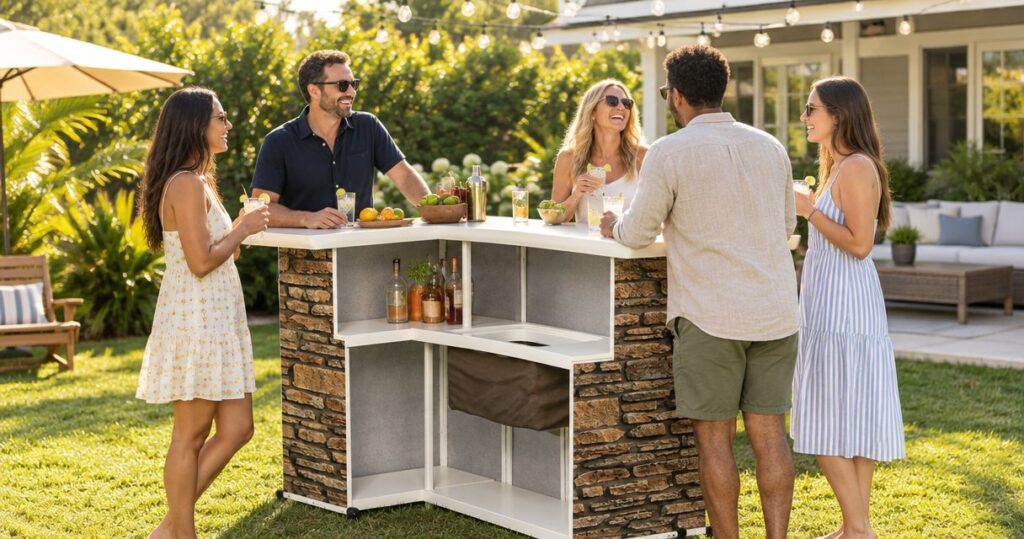
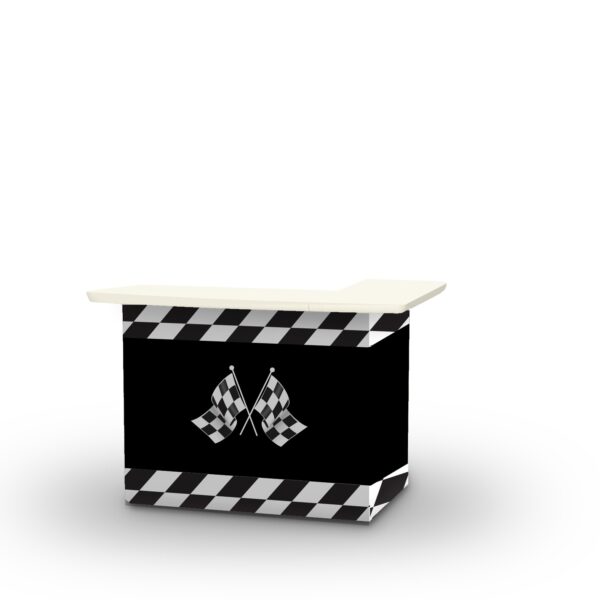
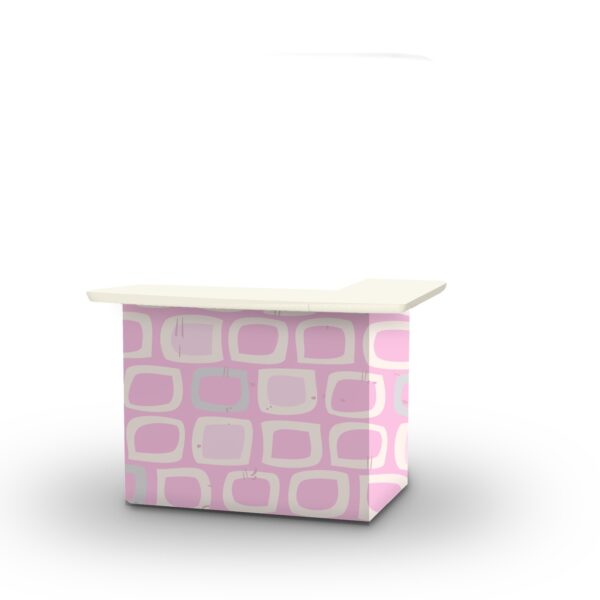
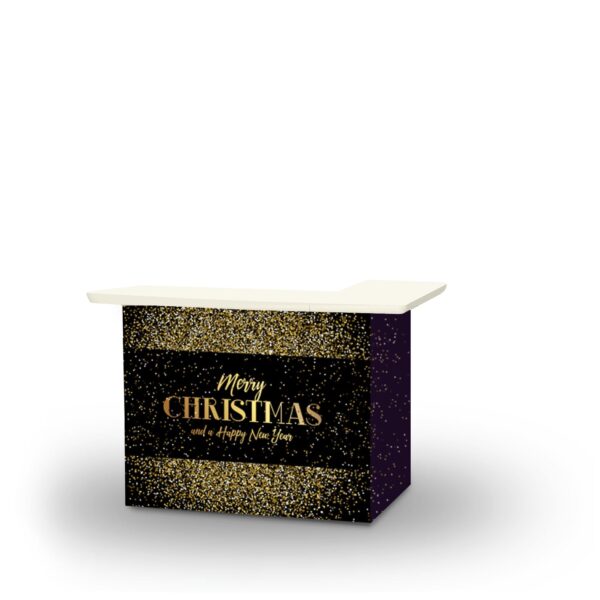
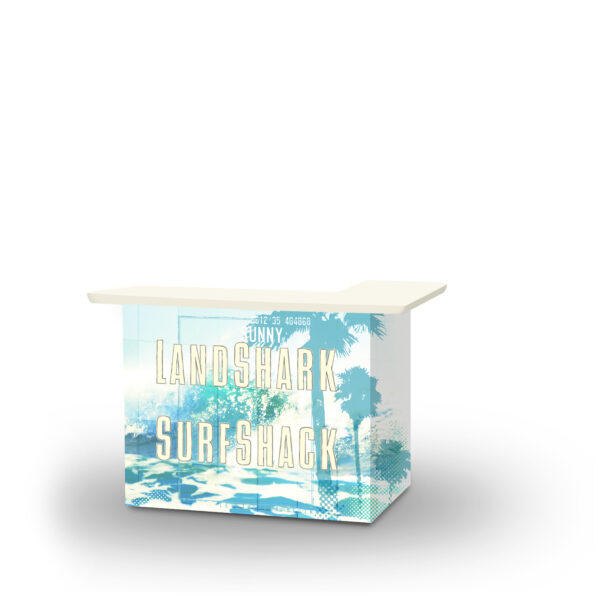
Build a Bar is best for hosts who want to change a portable bar display's look with swappable fabric covers. Its interchangeable-cover approach addresses appearance; physical joining remains a separate compatibility question.
For your 2026 party calendar, think in terms of design changes:
- Birthday: Choose a cover design that works with the party decorations.
- Seasonal gathering: Change the display's look to suit the occasion.
- Gameday: Coordinate the serving area with your tailgate theme.
Build a Bar offers portable, interchangeable-design bar displays with swappable fabric covers and accessories. The benefit is changing the display's appearance without buying another bar for that design change; the limitation is that a cover does not add counter space or establish a connection between units.
Keep those decisions separate. Buy additional serving capacity because you need another working surface, and choose interchangeable covers because you want different looks.
Plan your bar arrangement
Ask about model compatibility and joining instructions before planning a connected setup.
Can I put two different portable bars together?
Two different portable bars can form adjacent stations if each is set up independently according to its instructions. That does not establish that they can be mechanically connected.
Compare height, end shape, and access before committing to the layout. If the surfaces do not align, give each bar a separate task instead of trying to disguise the mismatch as a continuous counter.
Can I lay one countertop across both bars?
One shared countertop needs explicit approval for the complete supporting arrangement. Do not assume separate bar frames are suitable supports for an added spanning surface.
Ask the manufacturer about the top, its attachment, its supports, and its permitted use together. Without instructions covering that configuration, keep the original serving surfaces separate.
Do I need another bar just to change the party theme?
One interchangeable-design portable bar can change appearance through compatible covers rather than another frame. That addresses decoration, not a shortage of serving space.
Before expanding the setup, decide which problem you are solving. A different look calls for a design change; an additional working station calls for more serving capacity.
FAQ
Can two portable bars be connected together for a home party?
Yes, physical joining is appropriate when the manufacturer approves the exact models and connection method. Otherwise, arrange the bars as independently supported units and treat the seam as a boundary between serving surfaces.
Do matching portable bars automatically connect?
No, matching portable bars do not automatically have a compatible joining system. Confirm the specific models, required components, and assembly instructions before attaching them.
Can I use clamps to connect portable bars?
Use clamps only when the bar manufacturer explicitly specifies them for that connection. Do not treat an improvised clamp arrangement as a substitute for approved joining instructions.
Is a straight bar better than an L-shaped bar for a party?
A straight arrangement suits a longer serving front, while an L-shaped arrangement suits separate serving tasks. Choose based on the available space, access behind the bars, and the way you plan to serve.
Can Build a Bar covers make separate bars look coordinated?
Build a Bar’s swappable fabric covers let hosts change a portable bar display’s appearance. Confirm the compatible cover options for each unit; coordinated covers do not establish structural compatibility.
What should I check before buying a second portable bar?
Check the assembled footprint, countertop height, end shape, storage access, and any approved joining method. Measure the full arrangement, including the space you need to work behind it.
One last thing
Give the seam a job boundary. Put drink preparation on one side and cups or napkins on the other, rather than designing service around moving items across the joint.
That simple choice keeps your plan honest: you have adjacent working surfaces unless an approved system makes them something more. Match the look if you like, but confirm the structure first.
Related guides
- Portable bar counters: straight versus L-shaped layouts
- Portable bar table buying guide: serving space versus seating
- How to set up a collapsible bar for your first party