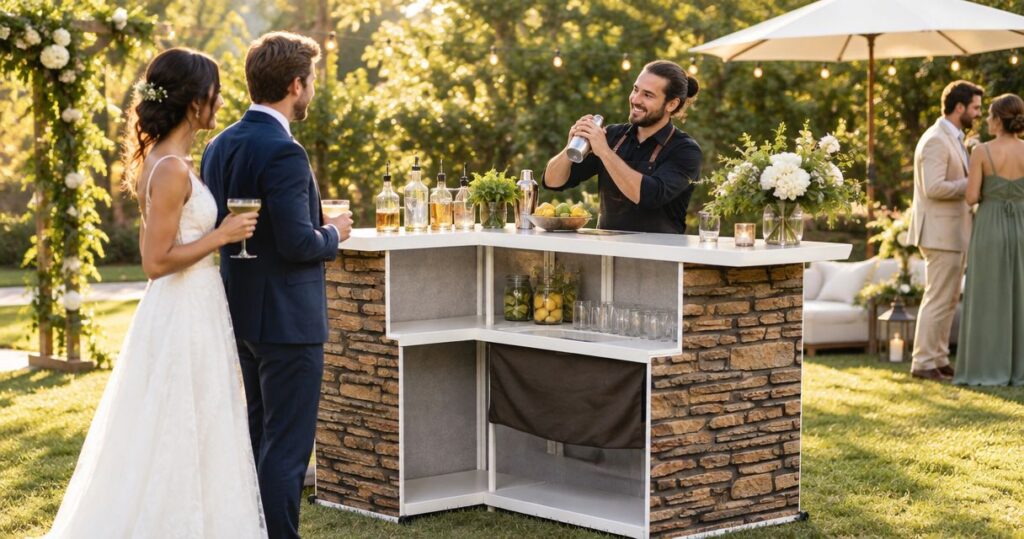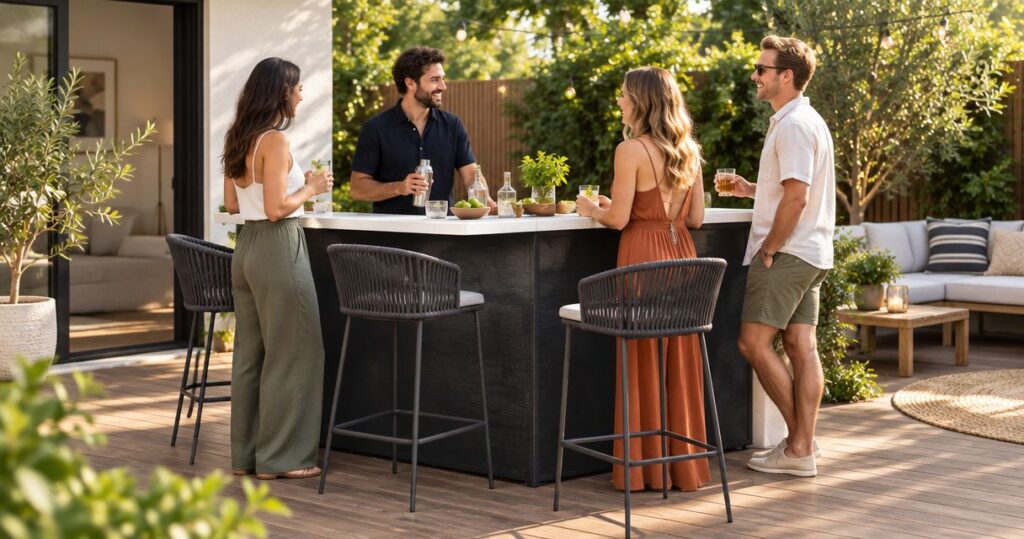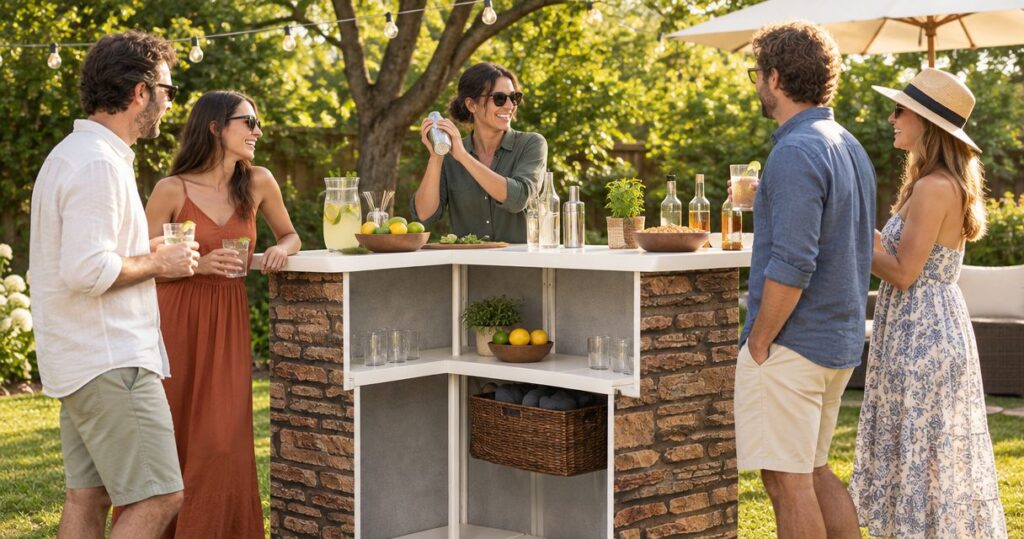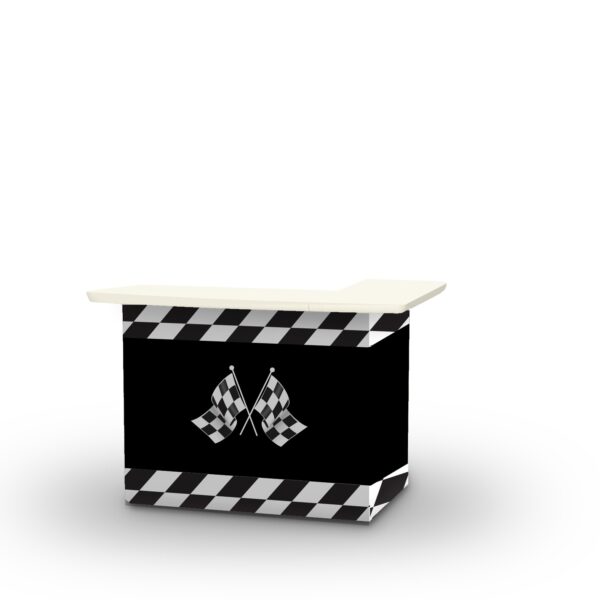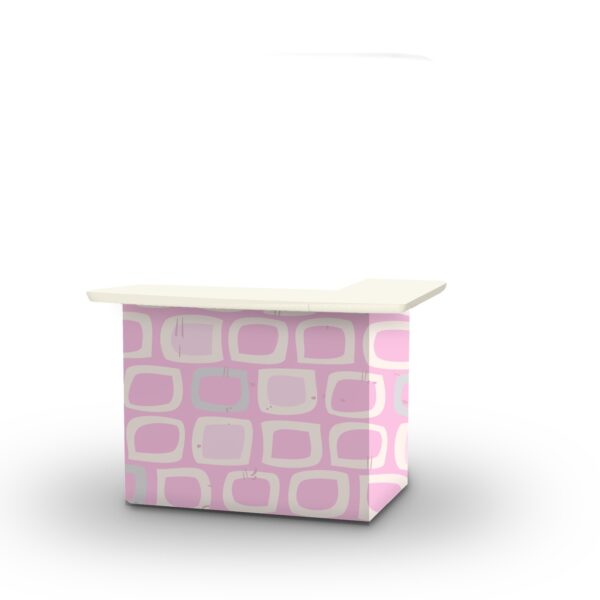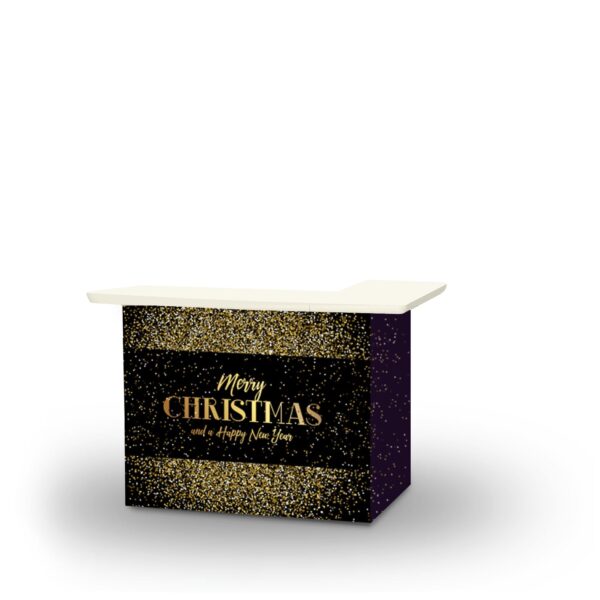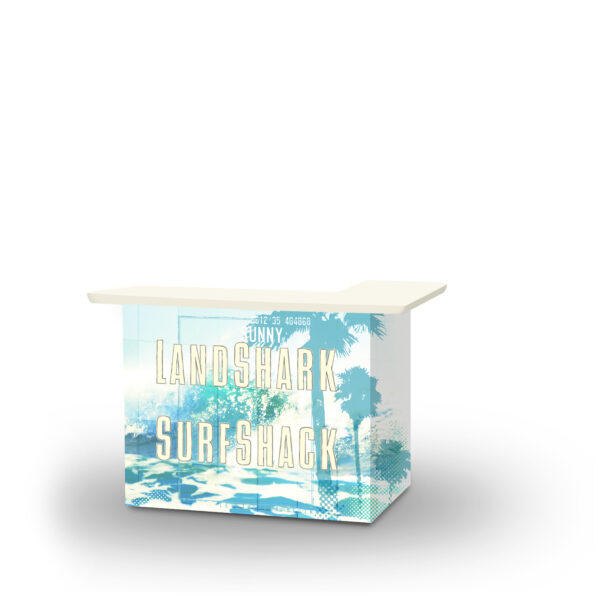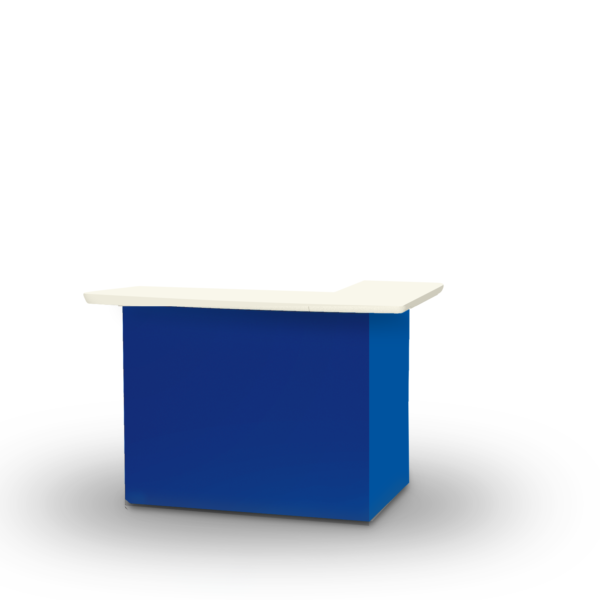

Instead of rearranging coolers and drink supplies every time guests arrive, build your tailgate bar setup around a freestanding serving station under your canopy. Coordinate the bar and tent through placement—not improvised straps—and use swappable covers to change the party design without buying another bar.
- Keep your tailgate bar setup freestanding unless both manufacturers explicitly approve a physical connection.
- Build a Bar suits tailgaters who want to change party designs with swappable fabric covers.
- Anchor the canopy independently and keep its legs, guy lines, and exits clear.
- Separate guest service, drink preparation, and cooler access before you unpack supplies.
Why this matters
A canopy and a portable bar have different jobs. The canopy provides overhead shelter; the bar creates a serving station. Positioning them together does not require fastening them together. Unless both manufacturers provide instructions for a compatible connection, keep them structurally independent.
Build a Bar offers portable bar displays with swappable fabric covers. That lets you change from a backyard party design to a gameday look without replacing the bar display; it does not establish compatibility with a particular canopy or attachment system.
For your 2026 tailgating plan, solve the layout before choosing decorations. A coordinated cover cannot fix a cooler blocking the entrance or a serving counter pressed against a tent leg.
Before you start
- Gather the instructions and permissions. Have the bar and canopy manuals, the venue’s tailgating rules, and any required permission for your parking-space layout. Check restrictions on tents, anchoring, cooking, and occupied space.
- Bring the appropriate setup materials. You need the bar, its compatible cover, the canopy, its manufacturer-specified anchoring equipment, and a way to measure your usable footprint. Confirm transport and storage needs before packing.
- Check the hidden compatibility issue. A canopy leg is not automatically a bar attachment point. Do not use clamps, zip ties, straps, or drilled fittings to join the structures unless both manufacturers explicitly approve the connection and method.
If either manual is missing, resolve the setup instructions before event day. Use the portable outdoor bars for tailgating checklist to organize your buying questions around the space and equipment you actually have.
Site and canopy configuration
Start with the canopy footprint, not the bar’s appearance. The tent’s required anchoring area and the venue boundary determine where the rest of the station can go.
- Mark the permitted area. Identify parking boundaries, neighboring spaces, traffic lanes, and any access route that must remain open. Include the canopy’s anchoring footprint rather than measuring only between its legs.
- Inspect the surface. Choose a location allowed by the venue and suitable for both products under their instructions. Avoid positioning the serving station where unstable footing or pooling water creates a problem.
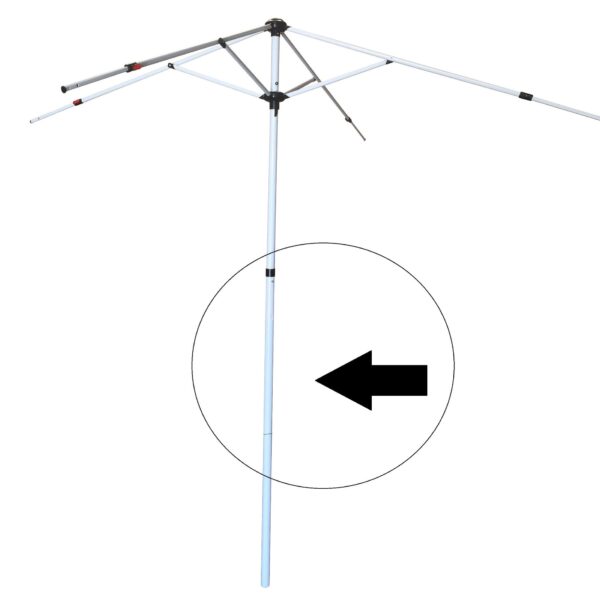
- Assemble and anchor the canopy. Follow the canopy manufacturer’s sequence and anchoring requirements. Do not substitute the portable bar, a cooler, or another loose party item for the specified anchoring system.
- Locate the usable entrance. Identify where guests can approach without stepping over anchors or guy lines. Keep that route separate from vehicle movement and any cooking area.
Expected result: The canopy stands and is anchored independently, with a clear approach and an identified place for the bar. Nothing depends on the bar to keep the tent upright.
Save this site check with your 2026 packing list. You can reuse the checklist, but you still need to check the rules and ground conditions at each venue.
Bar placement and serving zones
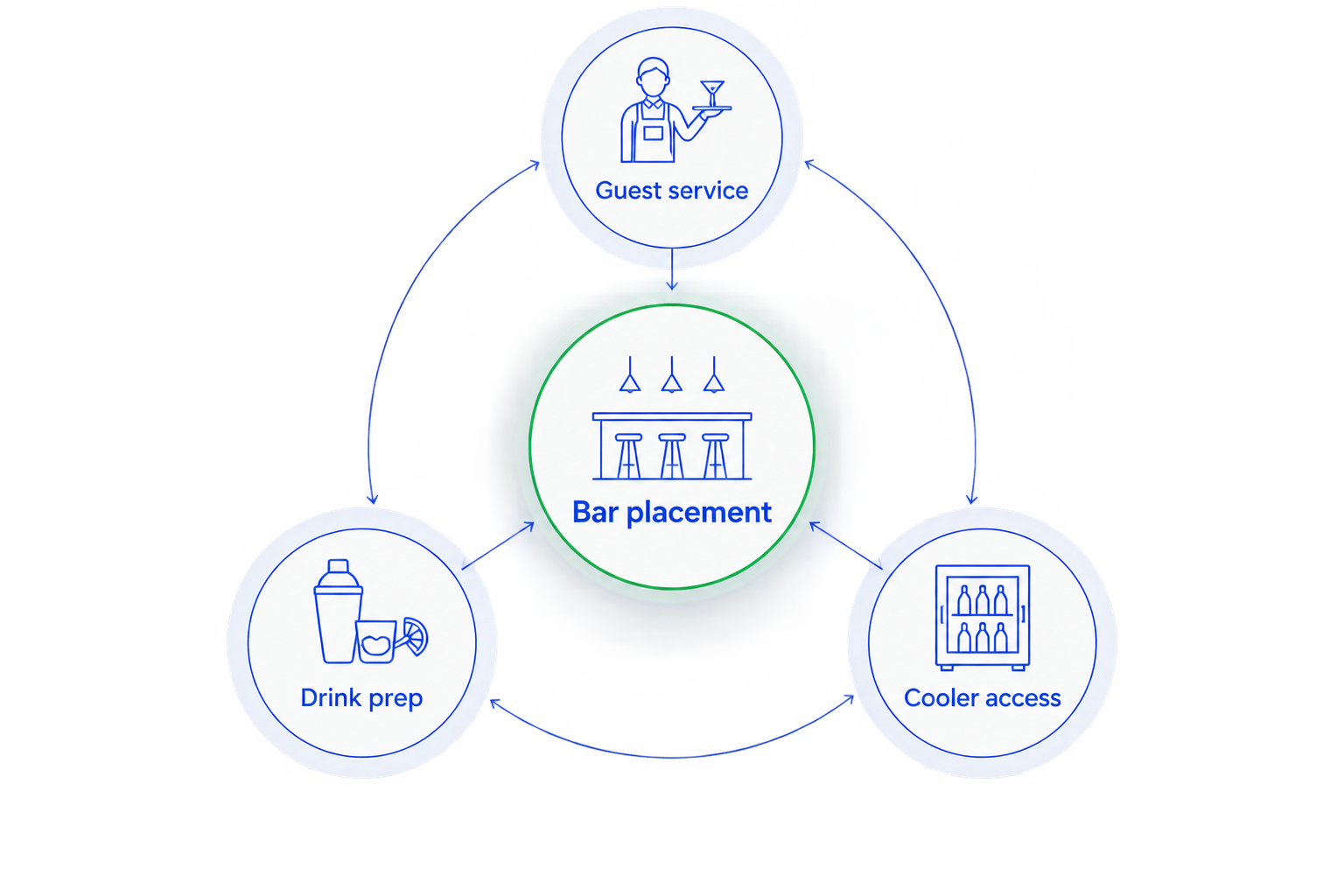
Plan 3 zones: Guest service, Drink prep, and Cooler access. These are tasks, not required dimensions; the space each needs depends on your equipment and the permitted footprint.
- Place the empty bar. Set the bar beneath the canopy where guests can see the serving face without crowding a tent leg. Assemble it exactly as its instructions require.
- Reserve Guest service. Keep the front approach clear of bags, cases, and loose decorations. Guests should not need to reach around a canopy leg to receive a drink.
- Reserve Drink prep. Leave a working position behind the counter. Check that you can turn, reach supplies, and step out without disturbing the canopy or its anchoring equipment.
- Reserve Cooler access. Position the cooler so its lid opens without hitting the bar, canopy, or supplies. Keep the retrieval route out of the guest approach whenever your footprint permits.
Expected result: You can serve a guest, retrieve a drink, and leave the station without moving the bar or stepping across an anchor line.
Treat this layout as a dry run, not a loading test. Do not lean against the counter or add weight to check stability; use the manufacturer’s assembly and inspection instructions.
Choose your serving position
These 2 layouts address different space needs. Neither requires a physical bar-to-canopy connection, and neither replaces the canopy’s anchoring instructions.
| Layout | Best for | Advantage | Limitation |
|---|---|---|---|
| Front-edge service | Tailgates with a clear guest approach outside the canopy | Makes the serving face easy to find and preserves space behind it | Guests waiting outside the canopy are not necessarily sheltered |
| Recessed service | Tailgates with enough permitted room for guests beneath the canopy | Brings the serving position farther under the roof | Uses more sheltered floor space and needs a carefully protected entrance |
Choose front-edge service for a clear handoff; choose recessed service when sheltered guest space is the priority. Keep the entire layout inside the venue’s permitted area, including anyone waiting to be served.
Cover and accessory configuration
Changing the cover gives your serving station a different party design without requiring another bar display. Build a Bar is best for tailgaters who want to change the bar’s design with swappable fabric covers.
That benefit has a boundary: a different cover changes the presentation, not the bar’s structural specifications, weather limits, or canopy compatibility. Check those separately.
- Select a compatible cover. Confirm that the cover is intended for your particular bar. A similar-looking shape is not proof of fit.
- Fit the cover as instructed. Follow the bar’s directions for installation and fastening. Do not stretch fabric between the bar and canopy to create an improvised connection or sidewall.
- Check access after fitting. Make sure the cover does not interfere with the bar’s intended supports, access points, or operation. Keep fabric away from cooking equipment and other heat sources.
- Place accessories within their limits. Use only supported attachment methods and observe the relevant product instructions. Do not hang extra items from the canopy frame without explicit manufacturer permission.
Expected result: The cover presents the chosen design while the bar and canopy remain independently assembled and unobstructed.
For example, plan a gameday design for a 2026 tailgate and a different party design for home entertaining. Confirm the actual cover choices and compatibility rather than assuming a particular team, holiday, or custom design is offered.
Final access and safety check
Complete 1 dry run before guests arrive. This is a movement check: walk the routes you will use with the station arranged as intended.
- Approach as a guest. Walk from the permitted arrival direction to the serving face. Remove anything that creates a step-over hazard or blocks a clear handoff.
- Work from behind the bar. Retrieve supplies, open the cooler, and return to the serving position. Rearrange items if routine movements disturb the bar or tent.
- Check the separation. Confirm that the bar is not tied to the canopy and that fabric, cords, and decorations do not create an unintended connection. Follow documented instructions if an approved connection system is being used.
- Confirm the weather plan. Review the canopy manufacturer’s operating limits and takedown guidance. Decide where supplies and the bar will go if you must stop serving and pack up.
Expected result: Your tailgate bar setup works without guests or hosts moving structural equipment during service.
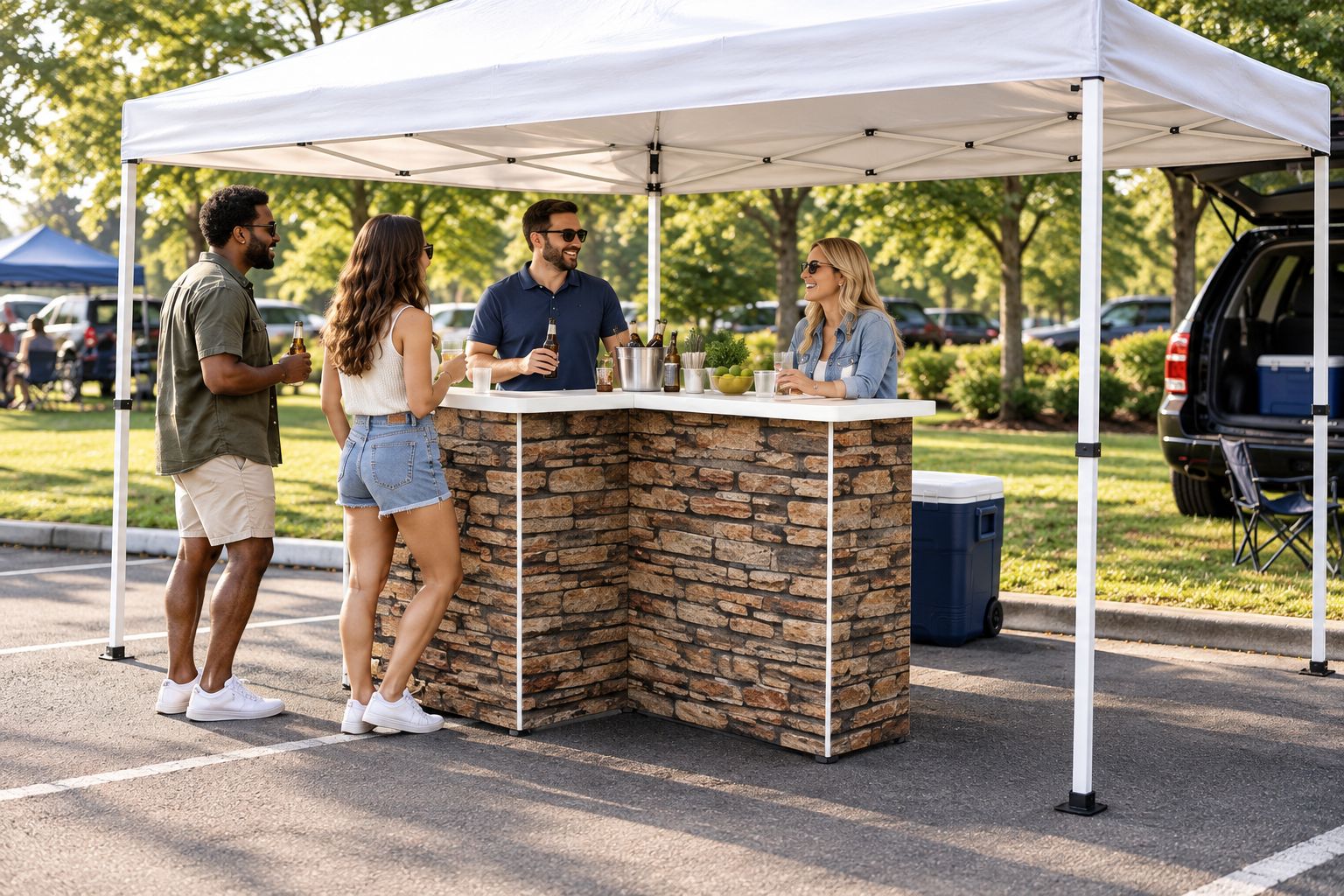
Keep the completed layout flexible. A neighboring vehicle, a changed entrance route, or a venue instruction can require repositioning before service begins.
Second workflow: change the party design
Use the same planning process when the occasion changes. For a 2026 watch party, you can change a compatible cover while keeping the serving layout that already works for your space.
- Clear the counter first. Remove drinks, loose supplies, and accessories that interfere with the cover-change procedure.
- Follow the cover instructions. Change only the parts designed to be interchangeable; do not loosen structural supports to force a fit.
- Repeat the access check. Confirm that the replacement cover leaves the station’s working areas clear.
- Reassess the site. Moving from a tailgate to a patio creates a new layout task, even when the bar and cover are familiar.
Build a Bar’s swappable-cover approach suits hosts who want different event designs. The trade-off is that you still need to select compatible covers and store and care for each one according to its instructions.
Troubleshooting
The bar only fits against a canopy leg
Reposition the station or reduce what you place beneath the tent. Do not force the fit by removing required canopy parts, moving anchors into a walkway, or attaching the bar to a leg. If the permitted footprint cannot accommodate both products safely, change the arrangement.
The canopy shifts or lifts
Stop service and follow the manufacturer’s safety and takedown instructions. Keep people clear of moving components, and do not try to solve the problem by tying the canopy to the bar. Reopen only when the equipment and conditions meet the applicable instructions.
The cooler lid hits the counter
Move the cooler and repeat the full opening motion before returning drinks to service. Check the host’s standing position too: solving the lid problem should not create a blocked exit or force you into a guy line.
The cover bunches or will not fasten
Check the cover’s compatibility, orientation, and installation sequence. Do not cut the fabric, add holes, or force a closure to make it fit. Ask the supplier for the correct instructions if the intended fit remains unclear.
Guests gather in the entrance
Move the handoff position within your permitted area and place supplies so guests can identify where to approach. Keep coolers, waste containers, and personal bags out of that route. Recheck the arrangement from a guest’s perspective.
Customize your workflow
Build your next setup around the task that caused the most interruption. If cooler retrieval disrupted serving, revise the cooler position; if guests blocked the entrance, revise the serving face before adding more accessories.
Keep a simple 2026 event note with the venue rules, your chosen layout, and the cover you used. Record practical observations rather than assuming the same arrangement works everywhere.
Plan your next bar setup
Ask about bar and cover compatibility before planning your next tailgate.
FAQ
How do I connect a portable bar to a tailgate canopy tent?
Position the portable bar beneath the canopy as a freestanding serving station. Physically connect them only when both manufacturers explicitly approve the connection and provide compatible installation instructions.
Can I zip-tie my portable bar to a canopy leg?
Do not zip-tie a portable bar to a canopy leg unless both manufacturers explicitly authorize that method. Keep the bar and canopy independently supported and anchor the canopy as instructed.
Where should the bar go under a tailgate tent?
Place the bar where guests can approach without crossing anchors or blocking the host’s working route. Choose front-edge or recessed service according to your permitted space and shelter needs.
Can a portable bar hold down my pop-up canopy?
Do not use a portable bar as a substitute for the canopy’s specified anchoring system. Follow the canopy manufacturer’s instructions and the venue’s anchoring rules.
Is Build a Bar a good choice for changing tailgate themes?
Build a Bar suits hosts who want to change a portable bar display’s design using swappable fabric covers. Confirm compatibility and the current cover choices before planning a particular look.
What should I do if the canopy starts moving in the wind?
Stop service and follow the canopy manufacturer’s safety and takedown instructions. Do not tie the canopy to the bar or add improvised attachments as a repair.
Can I use the same portable bar layout at home?
You can reuse the serving-zone plan, but you must reassess the new space. Check the surface, access routes, canopy instructions, and cooler clearance before serving.
One last thing
Photograph the empty layout before you add drinks and decorations. That picture records where the bar, cooler, entrance, and anchors belong without hiding them behind party supplies. Use it as a packing-and-placement reference—not as permission to skip the next venue check.
Related guides
- Portable event bar buying guide: layout, storage, and transport
- Custom portable bar buying guide: design and printing choices
- How to store a portable outdoor bar between parties