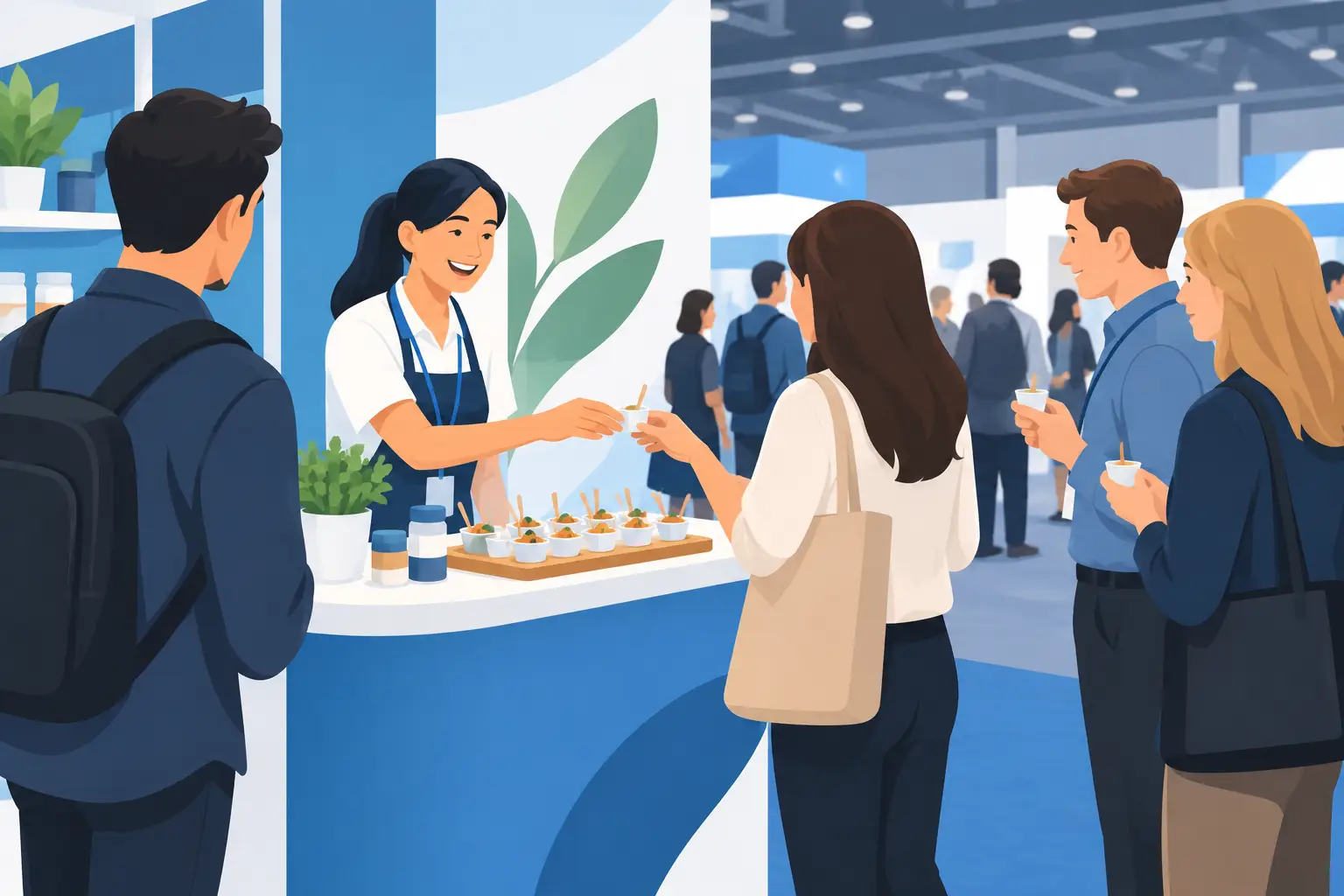
A great sample can stop traffic. A messy sampling setup can stop it for all the wrong reasons.
This trade show sampling station guide is built for brands that want more than a few quick handoffs. Your station should create a moment: people see it from the aisle, understand what is being offered, step in without confusion, and leave remembering your brand. Whether you are serving a new canned drink, snack, sauce, supplement, or a small taste of something bigger, the goal is simple: turn a product trial into real booth energy.
Start With the Experience You Want People to Have
Before choosing cups, coolers, or signage, decide what the sample needs to accomplish. Are you introducing an unfamiliar product? Driving retail sales? Collecting leads? Giving distributors a reason to talk? Those goals shape the station.
A fast-moving consumer show may call for tiny portions and a high-volume line. A B2B expo may work better with a more intentional tasting experience, where attendees can compare flavors and speak with a rep. There is no single right format. The winning setup is the one that matches your product, booth traffic, and sales goal.
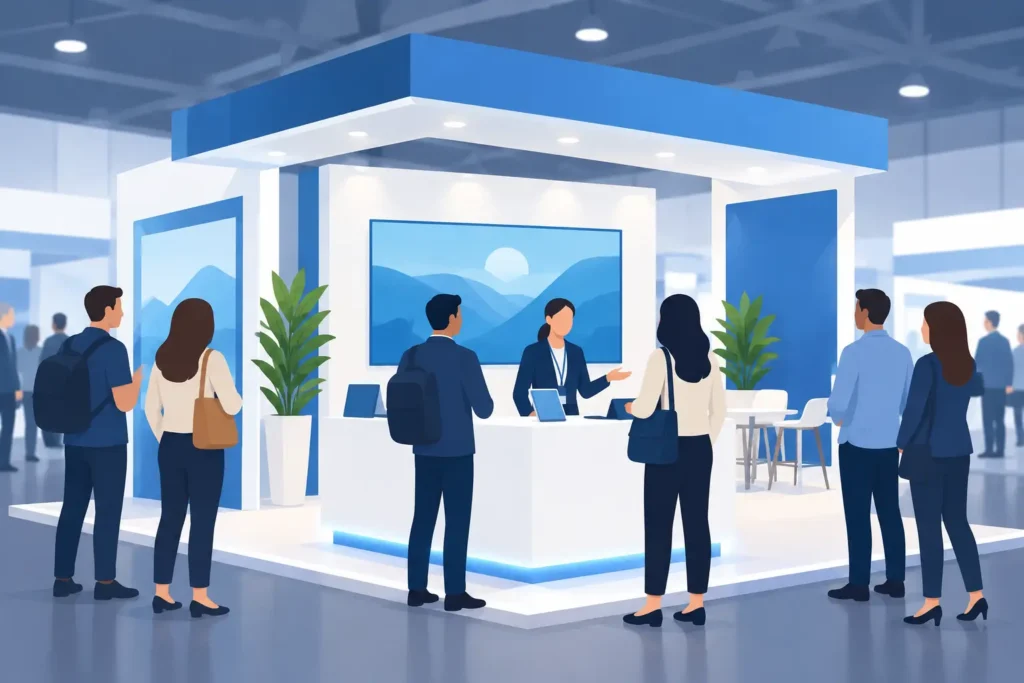
Picture the attendee’s path from the aisle. They should be able to answer three questions in seconds: What is it? Why should I try it? Where do I stand? If any of those answers are unclear, even an excellent product can get overlooked.
Build a Trade Show Sampling Station That Works Hard
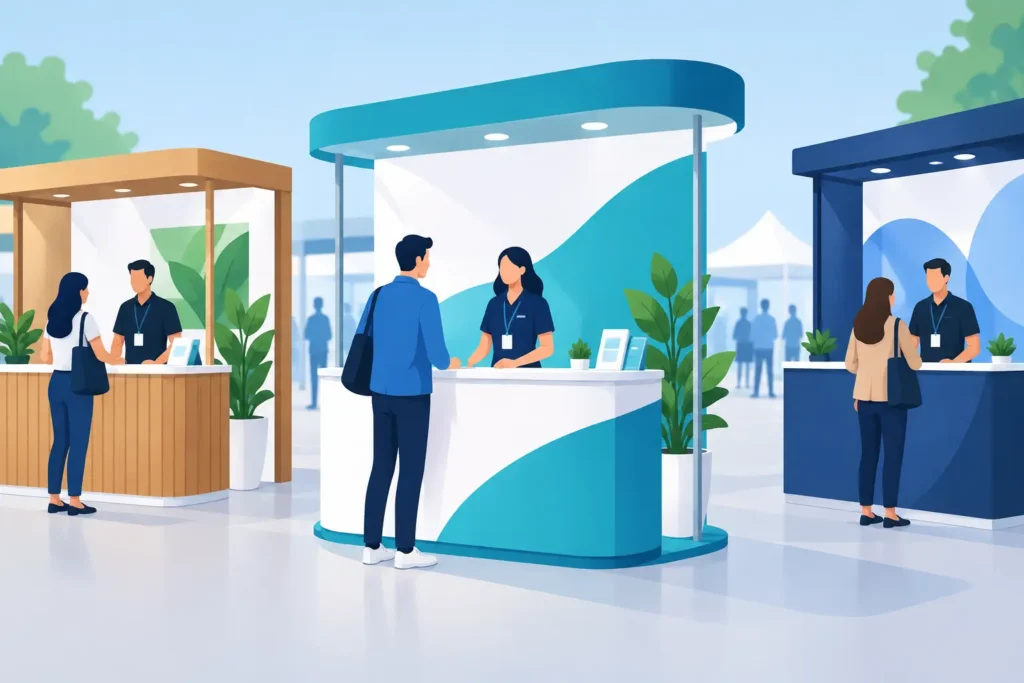
Your sampling station is equal parts service counter, product display, brand billboard, and conversation starter. It needs to look sharp from 10 feet away while staying functional during the busiest 10 minutes of the show.
Put the Brand at Eye Level
People should recognize your brand before they reach for a sample. Lead with a clear logo, one bold product visual, and a short benefit statement. Avoid covering every available inch with copy. Trade show attendees are moving quickly, often carrying bags, checking schedules, and scanning dozens of booths at once.
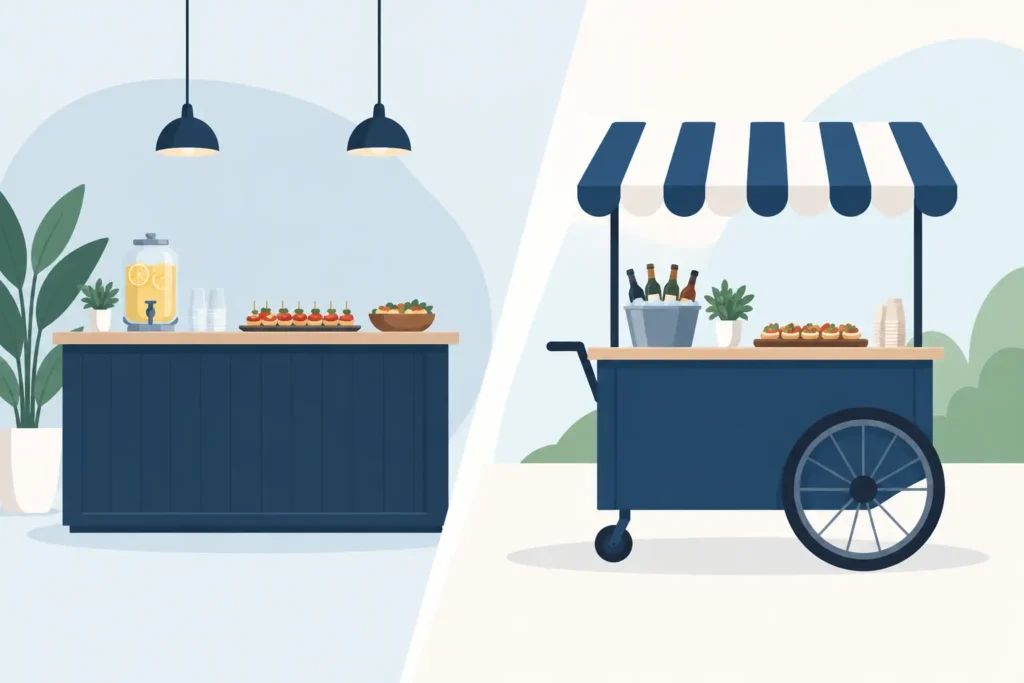
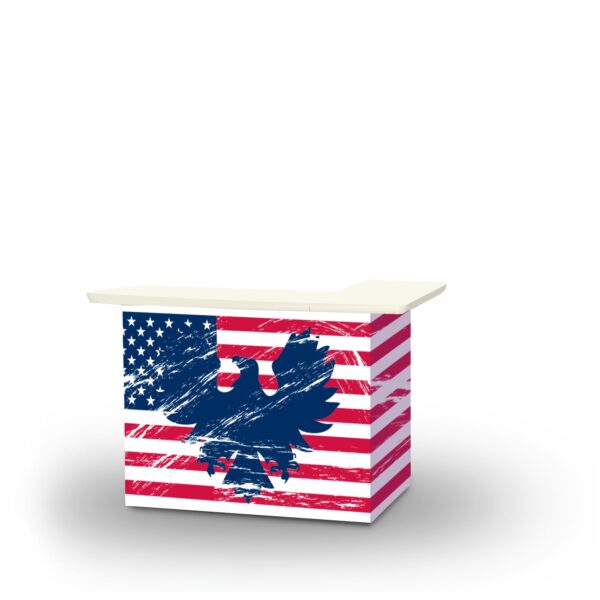
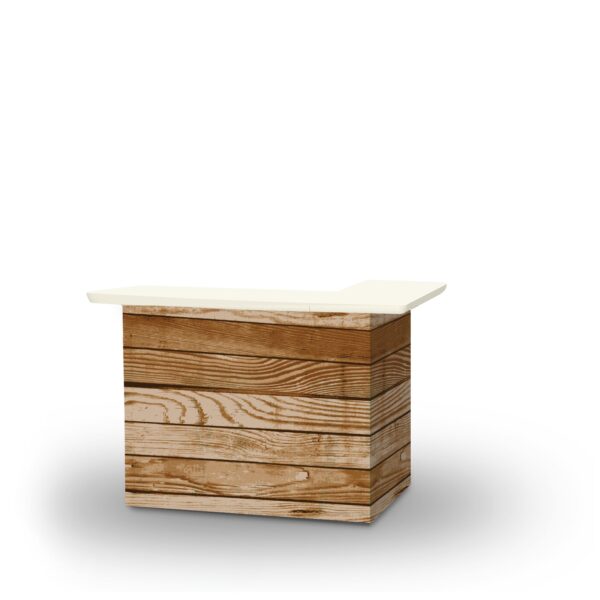
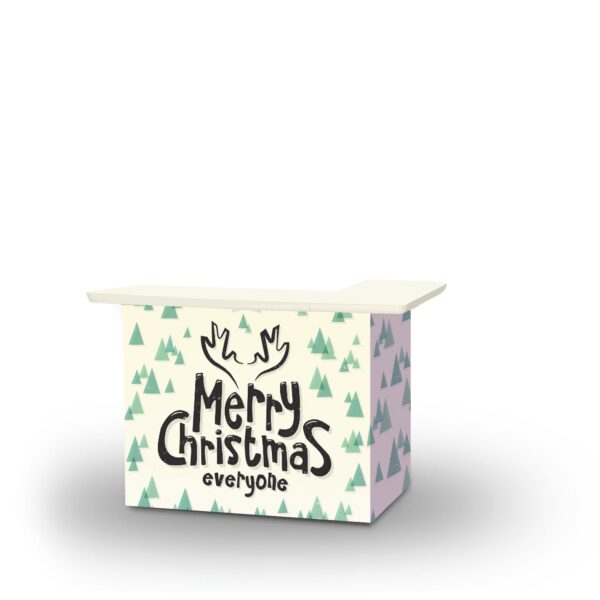
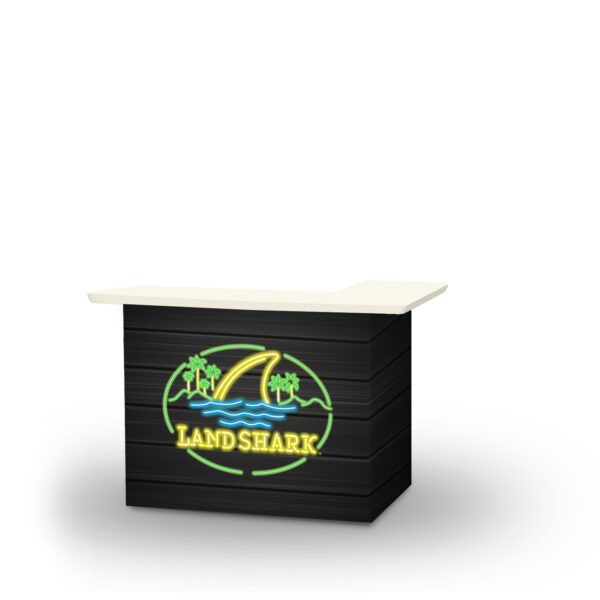
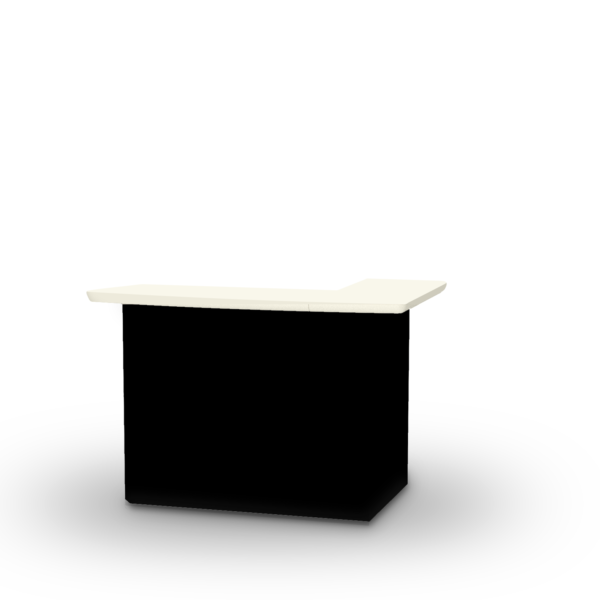
Color matters, especially in a crowded exhibit hall. A cohesive counter wrap, coordinated staff apparel, and product-forward signage make the station feel intentional rather than improvised. A portable bar display with a custom fabric wrap can give a sampling activation the polished look of a permanent build without creating a major shipping and setup headache.
Build A Bar is especially suited to brands that need a portable counter with storage, a social feel, and an interchangeable branded look for different campaigns or events.
Design for a Smooth Traffic Flow
The most attractive station in the hall will underperform if attendees do not know where to enter or exit. Set up the experience so the line forms along the side of your booth, not across the main aisle. Keep the sampling counter at the front edge, but place deeper conversations and lead capture just behind or beside it.
One team member can greet and manage the flow while another serves. If the product requires a short explanation, add a third person who can handle questions without slowing the person pouring or plating samples. This separation prevents a line from turning into a bottleneck.
A simple rule helps: sampling happens in front, selling happens one step back. Let people take the first taste before asking for a scan, survey, or meeting. When the sample is good, the conversation earns its place.
Give Supplies a Hidden Home
Nothing kills a premium presentation faster than stacks of boxes, open cases, trash bags, and backup product piled in public view. Plan storage before you arrive. You will need room for inventory, napkins, cups, utensils, sanitizing supplies, ice, personal items, and waste.
Choose a counter with shelves or enclosed storage, and keep only the current service supplies on top. Refill in small batches. This makes the station look full and fresh instead of cluttered, and it gives your team more space to work.
Make Sampling Fast Without Making It Forgettable
A sample does not need to be large to be memorable. It needs to be served at the right temperature, in the right portion, with a message people can repeat later.
For beverages, use a portion that lets attendees taste the product without committing to a full serving. For food, aim for one or two clean bites. If preparation takes more than a few seconds per person, consider whether a pre-portioned format would protect the pace of the activation.
Your staff should have a short, natural opening line ready. Something like, “Want to try our newest spicy mango flavor?” works better than a long brand speech. Once someone tastes, the follow-up can connect the experience to a useful benefit: ingredients, flavor profile, occasion, retail availability, or business opportunity.
Keep the product story conversational. People do not want to feel trapped in a pitch just because they accepted a sample. They do want to know why the product is worth remembering.
Plan the Details That Keep the Station Moving
The best booths make a busy activation look easy because the operational details were decided before the doors opened. Build a checklist around volume, cleanliness, staffing, and show rules.
Think through these essentials before loading in:
- Expected samples per hour, plus extra inventory for traffic spikes
- Approved food handling requirements, permits, and venue restrictions
- Cold storage, ice needs, electrical access, and backup supplies
- Cups, napkins, utensils, gloves, sanitizer, and clearly placed trash bins
- Staff breaks, refill responsibilities, and a plan for peak traffic
Confirm venue policies early, particularly for alcohol, open food, heating equipment, and refrigeration. Some shows require specific licenses, handwashing arrangements, or food-service approvals. A surprise rule on setup day is an expensive way to lose momentum.
Also consider waste from the start. A recycling bin may make sense for cans or bottles, while compostable sampling materials can support a sustainability message if they align with the event’s disposal system. Do not make environmental claims that the show infrastructure cannot support.
Turn the Sample Into a Sales Conversation
Free samples get attention. A smart follow-up turns attention into measurable value.
Decide what you want after the tasting. For a consumer brand, that could be a store locator, QR code, coupon, or social follow. For a wholesale-focused brand, it may be a meeting with a buyer or a conversation about distribution. Keep the next step visible and low-friction.
A QR code can work well, but it should not be the only path forward. Not everyone wants to scan something while balancing a sample and a tote bag. Give staff a verbal call to action, display a simple sign, and have product information ready for people who want it.
If lead capture is part of the plan, do not ask every person for the same amount of information. Someone taking a quick sip may only be ready for a giveaway entry. Someone asking about pricing, ingredients, or purchasing should be routed to a deeper conversation. Matching the ask to the interest level keeps your team friendly and efficient.
Give Your Crew a Real Game Plan
A beautiful setup cannot compensate for an unprepared team. Before the show opens, walk everyone through the product, the service flow, the brand message, and the roles they own.
Staff should know how to answer common questions about flavor, ingredients, allergens, pricing, availability, and the product’s best use case. They should also know when to bring in a sales lead rather than guessing. Confidence is contagious at a booth. So is confusion.
Encourage high energy, but keep it genuine. The strongest event teams make eye contact, offer samples with enthusiasm, and give people room to choose. They create a party-worthy atmosphere without shouting over attendees or blocking the aisle.
Measure What Earned the Crowd
Do not judge a sampling activation by empty boxes alone. High volume is exciting, but the real question is whether the right people stopped and what they did next.
Track samples served, qualified conversations, leads collected, scans, meetings booked, sales, and product feedback. Ask staff to note the questions they heard repeatedly. If people loved the taste but could not find the product afterward, the issue may be your retail message. If traffic was slow despite a strong product, your visibility or booth placement may need work.
The best insight often comes from comparing moments: Which time of day created the longest line? Which message prompted questions? Did a live demo bring in more people than static signage? Those answers make the next event sharper.
A sampling station should feel like an invitation, not a folding table with tiny cups. Give it a bold look, a clean workflow, and a crew that knows how to start the conversation. When attendees can spot the fun, taste the value, and take an easy next step, your booth becomes the place people tell their friends to visit before the show floor closes.