
A commercial counter durability test is not about seeing whether a surface can hold a few cups for five minutes. It is about finding out whether the centerpiece of your party can handle ice buckets, elbows, serving trays, spills, setup, teardown, and a crowd that keeps coming back for one more round.
For hosts, tailgaters, event pros, and promotional teams, a portable bar counter has a bigger job than a folding table. It needs to look sharp under bright lights, stay stable when the action gets loud, and keep doing its job after being loaded in and out of vehicles. That is the difference between a fun-looking prop and a bar station built for repeat use.
What a Commercial Counter Durability Test Should Measure
The word “commercial” gets used freely, but real durability comes down to specific stresses. A useful test looks at how the counter performs under weight, movement, repeated use, moisture, and transport. One impressive number on a product page is not enough if it only describes one of those conditions.
Weight capacity is only the starting point
A counter should support the gear people actually place on it: drink dispensers, coolers, garnish trays, bottles, food pans, point-of-sale equipment, and the occasional guest leaning in to order. Yet capacity is more nuanced than a single maximum-pound rating.
Distributed weight is the friendly scenario. A tray of cups spread across the counter places relatively even pressure on the surface and frame. Point loads are tougher. Think of a heavy ice bucket sitting on one small base, a full beverage dispenser near an edge, or a person putting both hands in one spot. A counter can appear fine under evenly spread weight and still flex, bow, or strain at a concentrated pressure point.
A worthwhile test checks both. It should also inspect the counter after the load comes off. Temporary flex is one thing. A permanent dip, loose fastener, cracked edge, or misaligned panel is a warning that the bar may not be ready for a full event calendar.
Stability matters when the party gets moving
A bar does not live in a laboratory. People slide stools, reach over the counter, set down coolers too hard, and bump corners while moving through a packed tailgate or backyard. That means side-to-side stability matters as much as vertical strength.
Look for testing that considers racking, which is the twisting or shifting that happens when force hits the bar from the side. A well-designed frame should resist wobble without requiring a delicate, slow setup every time. If a portable counter becomes loose after a few moves or needs constant retightening, its usable life may be shorter than its first event suggests.
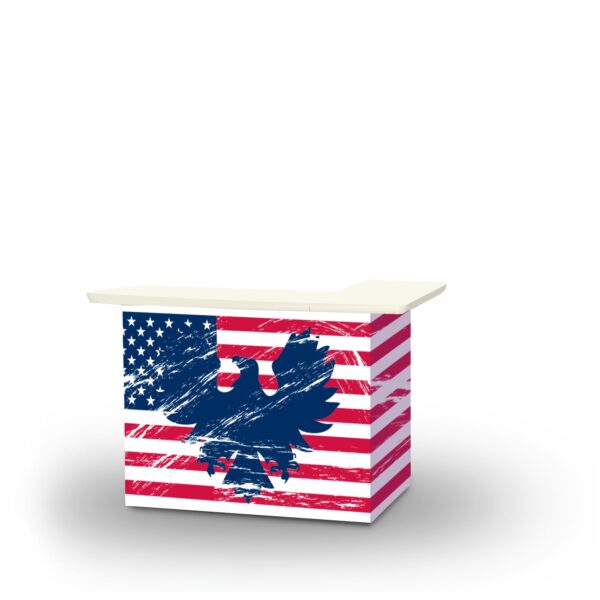
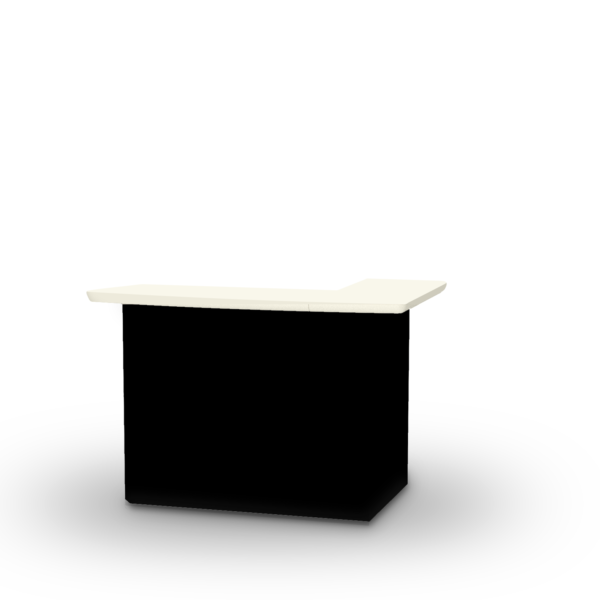
This is especially important for an L-shaped layout. The shape creates more serving space and a stronger visual presence, but it also introduces connection points that need to stay secure. The joint should feel intentional and solid, not like two pieces merely meeting for a photo.
Repetition reveals more than one big load
The real question is not, “Can it hold this?” It is, “Can it keep holding this after dozens of events?” Repeated loading and unloading exposes fatigue in a way a single static test cannot.
Picture the routine: you stock the bar, host for hours, wipe it down, break it down, load it into a truck or RV, then repeat next weekend. Hinges, support brackets, shelf connections, locking hardware, and legs all experience a cycle of use. Components that are adequate once can loosen over time if their materials, fit, or mounting points are not built for repetition.
Ask how the counter is designed to retain its shape after recurring setup and teardown. Replaceable parts can be a real advantage here. On a modular event display, being able to refresh a wrap, hardware component, or accessory can extend the life of the complete setup instead of forcing a replacement of the entire station.
The Mess Test: Water, Ice, and Cleanup
A bar counter that stays dry only on a showroom floor is not built for party duty. Melted ice, drink rings, splashes, sanitizer, sticky mixers, sunscreen, and sudden rain are all part of the assignment.
The counter surface should be easy to wipe without holding odors, staining easily, or becoming rough after cleanup. Edges deserve the same attention as the top surface because exposed seams and poorly finished corners are often where moisture creates trouble first.
That does not mean every material needs to be waterproof in every condition. It means the design should match its intended use. An indoor promotional display may need a different level of weather resistance than a bar that spends football season in parking lots and summer weekends at campsites. The smart purchase is the one that fits your environment, not the one with the loudest label.
If your setup includes an ice cooler, check the area around it as carefully as the counter itself. Condensation and drips are predictable. Good drainage, sensible placement, and surfaces that can be cleaned quickly help keep the serving zone looking polished from the first pour to the last call.
Transport Is Part of the Durability Test
Portable does not automatically mean durable. In fact, portability creates its own test: can the counter survive being moved as often as you plan to use it?
A station may look strong once assembled but suffer damage during transport if panels scrape, corners are exposed, or parts shift in the vehicle. Consider the full journey from storage to event space. Can one or two people handle it safely? Do the components pack in a way that protects the finish? Will the setup still look event-ready after a season of loading, unloading, and rearranging the garage?
The best portable bars balance structural confidence with realistic handling. Heavier materials can add stability, but they may be a poor fit for solo tailgaters or vendors who work multiple activations in a weekend. Lighter construction improves mobility, but only if the frame and connections still control sway and flex. There is no universal winner. Your vehicle, storage space, crew size, and event frequency should guide the choice.
How to Evaluate a Counter Before You Buy
You do not need a test lab to ask sharper questions. Start by examining the bar as a working station rather than a decorative backdrop. Imagine a full ice bucket on one end, supplies stored below, guests gathered around the front, and a fast cleanup waiting at the end of the night.
Look closely at the underside of the counter and the places where sections connect. These areas tell you more about long-term confidence than a perfectly styled front photo. Check whether the frame has purposeful support, whether feet sit evenly, and whether hardware is accessible for routine care.
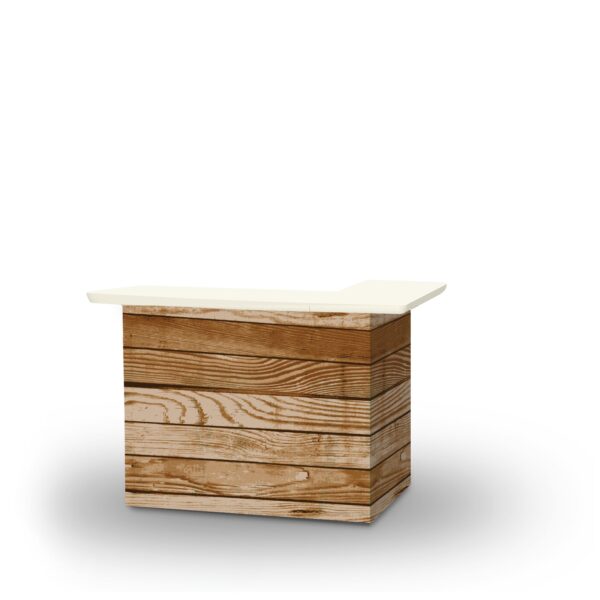
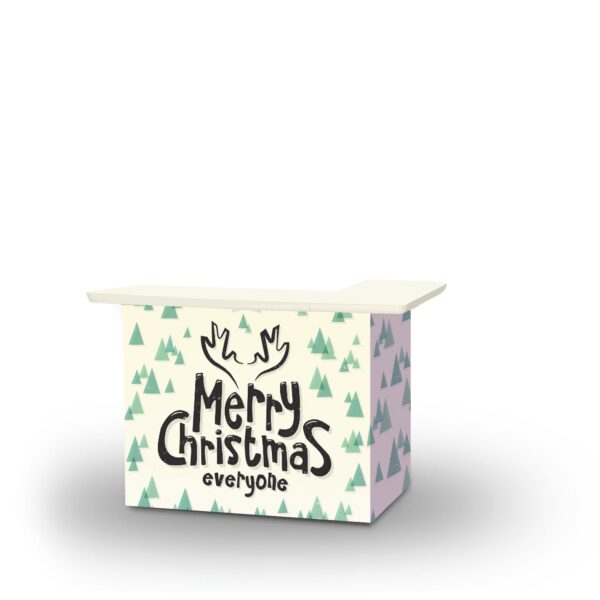
Then consider the finish. A great party bar earns attention, but it should not require everyone to treat it like a museum piece. UV-protected, interchangeable fabric wraps make sense for people who want a fresh look for game day, holidays, sponsor events, or a new business promotion without replacing the structure underneath. Build A Bar is designed around that kind of flexible, high-visibility setup: one bar station that can keep changing its look while remaining ready to work.
Finally, evaluate the manufacturer’s guidance with a practical eye. Clear load recommendations, care instructions, replacement options, and straightforward setup details are signs that a product was considered beyond its first use. Vague claims deserve follow-up questions.
A Counter Should Earn Its Spot at the Party
Your bar counter is where bottles land, conversations gather, photos happen, and guests decide where the action is. It should feel confident under pressure and still look like the star of the setup after the crowd heads home.
Before you choose one, think beyond the first event. Choose a counter that can handle the weight, mess, motion, and miles that come with the kind of hosting people remember. That gives you more freedom to change the theme, bring the energy, and keep the good times moving.