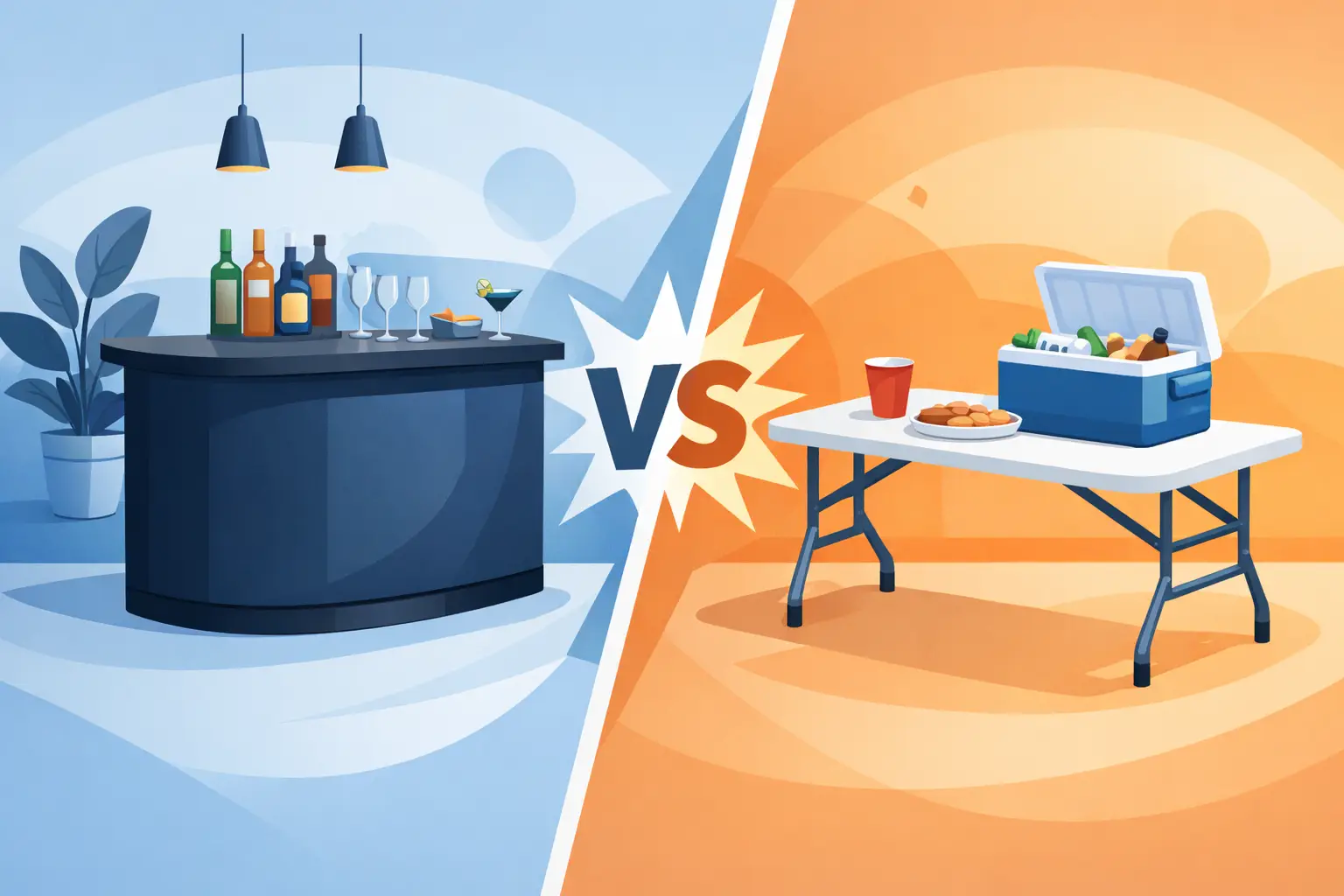
A portable bar vs folding table decision can change the entire feel of your event. One says, “Drinks are over there.” The other says, “This is where the party happens.” Both can hold cups, coolers, snacks, and supplies, but they create very different experiences once guests arrive.
If you are setting up for a backyard birthday, a big game tailgate, a campground weekend, or a branded promotion, the right choice comes down to more than surface space. Think about traffic flow, storage, appearance, cleanup, and whether you want your serving station to disappear into the background or become the center of attention.
Portable Bar vs Folding Table: The Real Difference
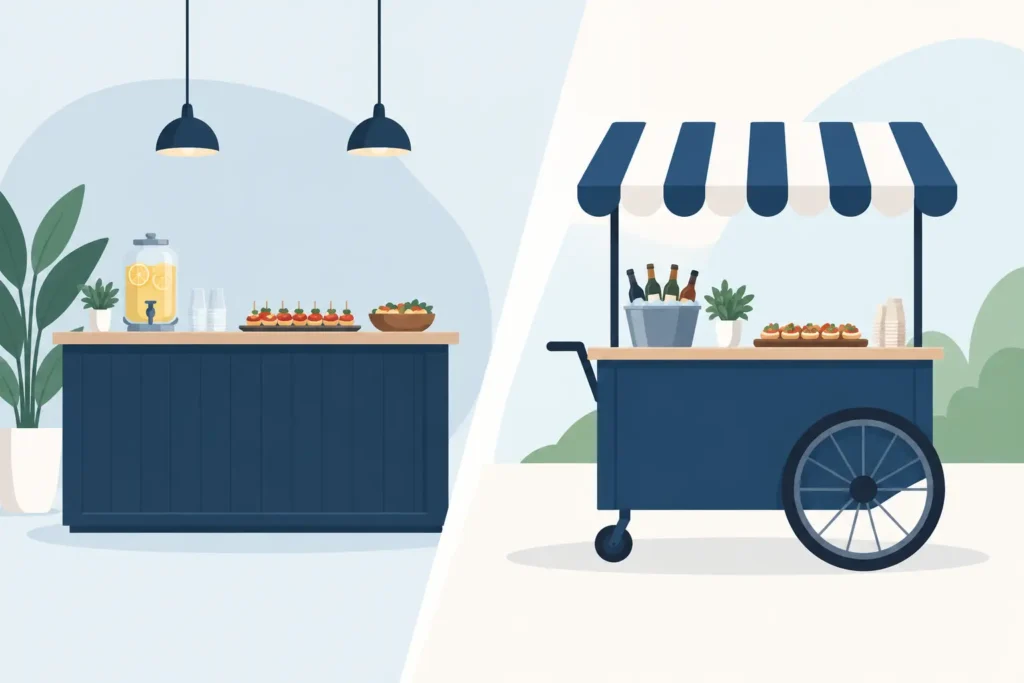
A folding table is a utility piece. It is usually flat, lightweight, affordable, and useful for almost anything. Put one near the grill and it becomes a buffet. Add a cooler and it becomes a drink station. Cover it with a cloth and it can look decent for a casual gathering.
A portable bar is designed around serving, socializing, and presentation. It creates a defined front-of-house space for mixing drinks, greeting guests, displaying products, or running concessions. Instead of balancing bottles beside paper plates and a sweating cooler, the host has a dedicated workstation with a polished exterior facing the crowd.
That distinction matters when people are moving around. A table invites guests to reach across it, set down random items, and turn the surface into party clutter. A bar naturally establishes a serving side and a guest side. It gives the host room to work while keeping the event looking organized.
When a Folding Table Is the Better Call
A folding table absolutely earns its place. For low-key events where function is the only goal, it may be all you need. It is especially practical when you need extra food space, a check-in station, a merchandise surface, or a quick place to stage supplies behind the scenes.
It also makes sense when your setup is temporary in the most literal sense. Maybe you are serving canned drinks from a cooler at a neighborhood cookout, or you need several inexpensive surfaces for a school fundraiser. In those cases, buying a dedicated bar could be more than the job requires.
The trade-off is that tables ask you to solve the rest yourself. You may need a tablecloth, separate coolers, bins for bottles, a trash plan, signs, lighting, and something to hide the boxes below. By the time you have dressed it up, the “easy” option can start to feel like a pile of disconnected event gear.
A folding table also tends to show its limitations when hosting gets busy. There is little built-in organization, no natural place to stash backup inventory, and no visual barrier between guests and the mess of working an event. For a quick snack spread, that is no problem. For a crowded party, it can become one.
Why a Portable Bar Changes the Energy
A great portable bar does more than give someone a place to pour drinks. It gives people a destination. Guests know where to order a cocktail, grab a refill, talk sports, meet someone new, or take the photo that ends up in the group chat.
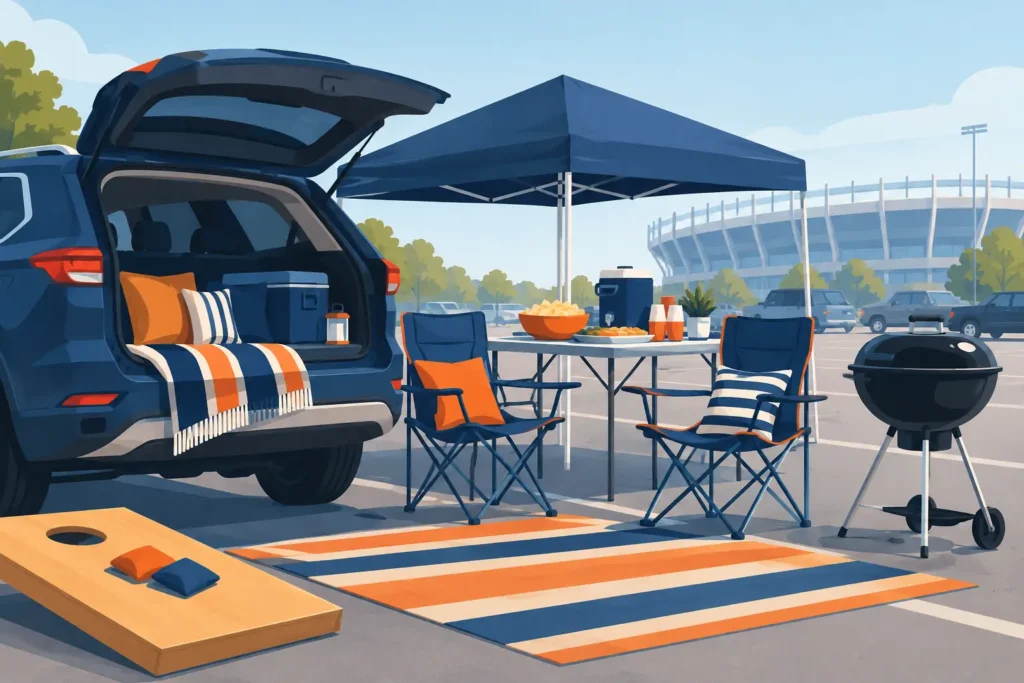
That social pull is the real advantage. A bar adds structure without making an event feel stiff. At a tailgate, it can turn a patch of pavement into a home base. At a backyard party, it separates the drink rush from the food line. At a vendor event, it can make a small footprint look like a real brand experience.
Function matters too. A commercial-quality portable bar can include storage for bottles, cups, mixers, and supplies, plus an in-shelf ice cooler that keeps cold drinks close to the action. That means fewer trips back to the house, vehicle, tent, or trailer. The person serving gets to stay present instead of constantly hunting for another bag of ice.
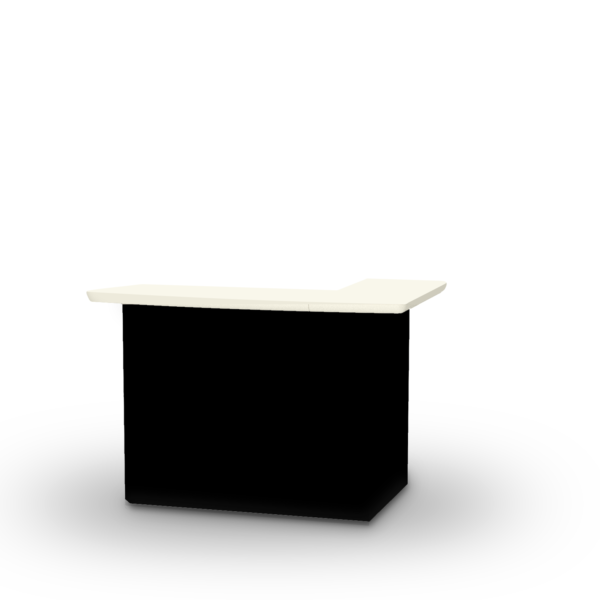
The best designs also give the host room to work. An L-shaped configuration, for example, creates a more natural service area than a narrow rectangle. It gives you space to prepare, serve, and store without turning around every ten seconds. That is a major upgrade when you have a crowd waiting for drinks between innings or during halftime.
Setup and Storage: Look Beyond the Fold
At first glance, a folding table wins the portability argument. It folds flat, slides into a garage, and can be carried almost anywhere. If portability means the smallest possible item for occasional use, that is hard to beat.
But portability is not just about being flat. It is about how much event capability you can bring in one setup. A portable bar may take up more room than a basic table, yet it can replace the tablecloth, drink tub, storage bins, serving tray, sign holder, and makeshift display you would otherwise haul separately.
Ask a better question: how many extra pieces do you need to make this setup party-ready? If the answer is “a lot,” the folding table is not necessarily the simpler option.
For frequent hosts, campers, tailgaters, and event operators, a dedicated bar also reduces setup decisions. You know where the ice goes, where the inventory sits, where the serving line forms, and where the trash or backup supplies can stay out of sight. That consistency makes events faster to run and more enjoyable to host.
Style Is Not Extra When Guests Can See Everything
A bare folding table can work, but it rarely creates a wow moment. Most hosts try to fix that with themed linens, banners, plastic signs, or decorations clipped to the front. It can look good from a distance, but wind, spills, tape, and crowded tabletops can quickly take over.
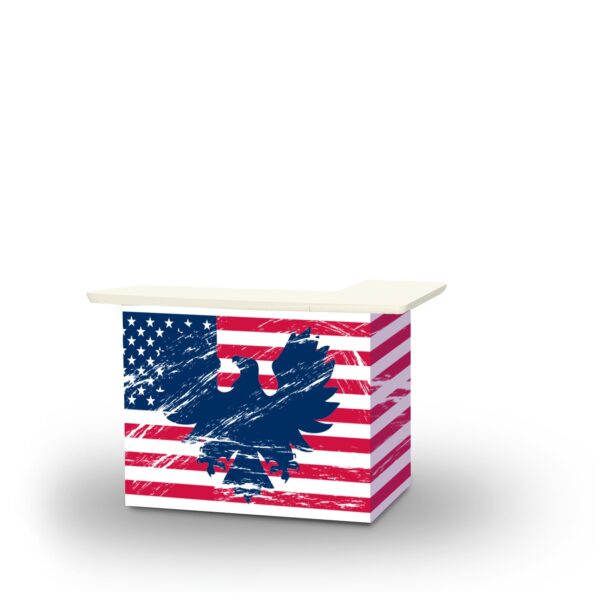
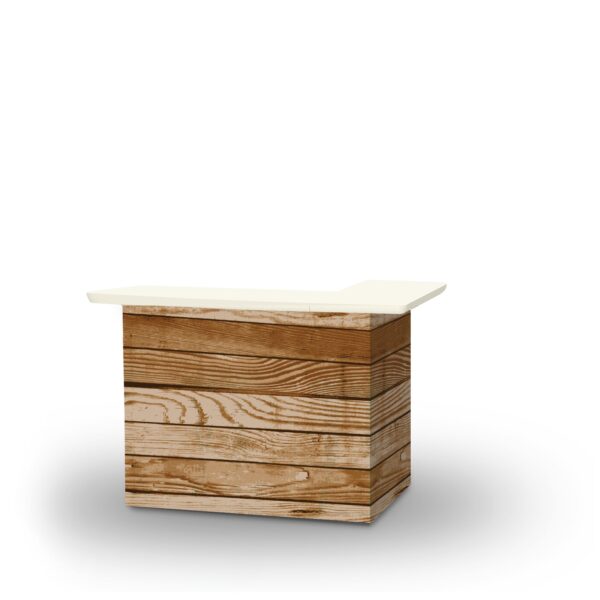
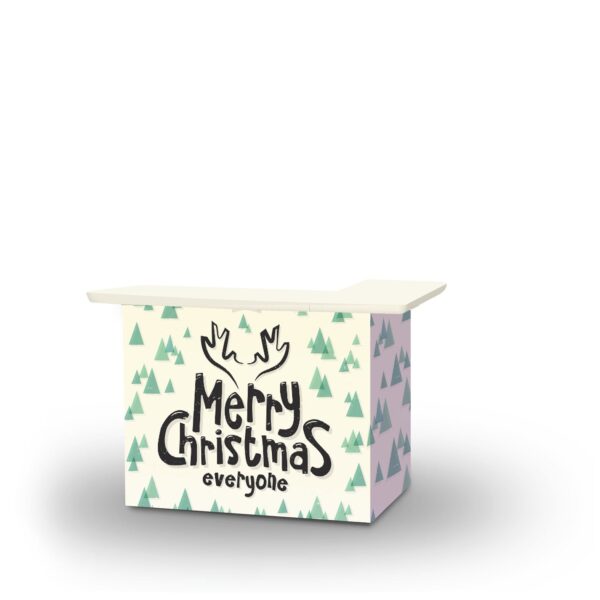
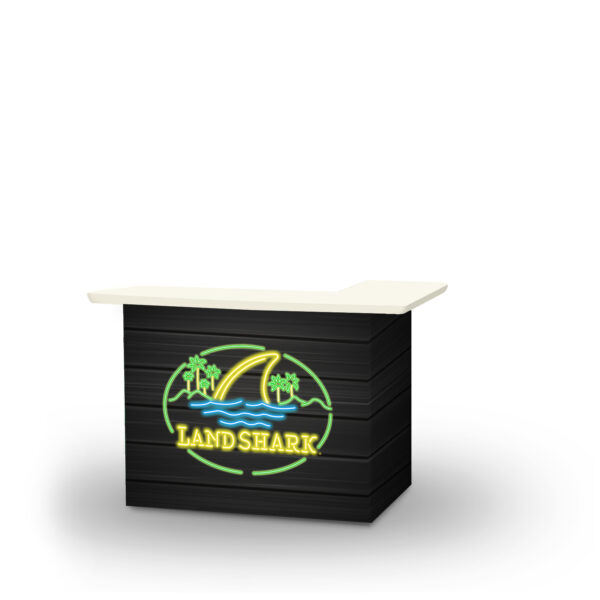
A portable bar is built to be seen. With interchangeable fabric wraps, the same bar frame can match a football Saturday, tropical birthday, holiday party, beach weekend, race day, or black-and-gold corporate event. Swap the look instead of buying new furniture for every occasion.
That flexibility is especially valuable for people who love hosting with a theme. One weekend the bar can show team pride. The next, it can become a polished cocktail station for an anniversary party. For a business, it can move from one campaign to another without buying a new display every season.
Build A Bar takes this idea further with replaceable, UV-protected wraps and custom printing options. The result is a bar that can carry your personality, your team colors, or your business identity while still doing the practical work of serving guests.
For Businesses, Branding Changes the Math
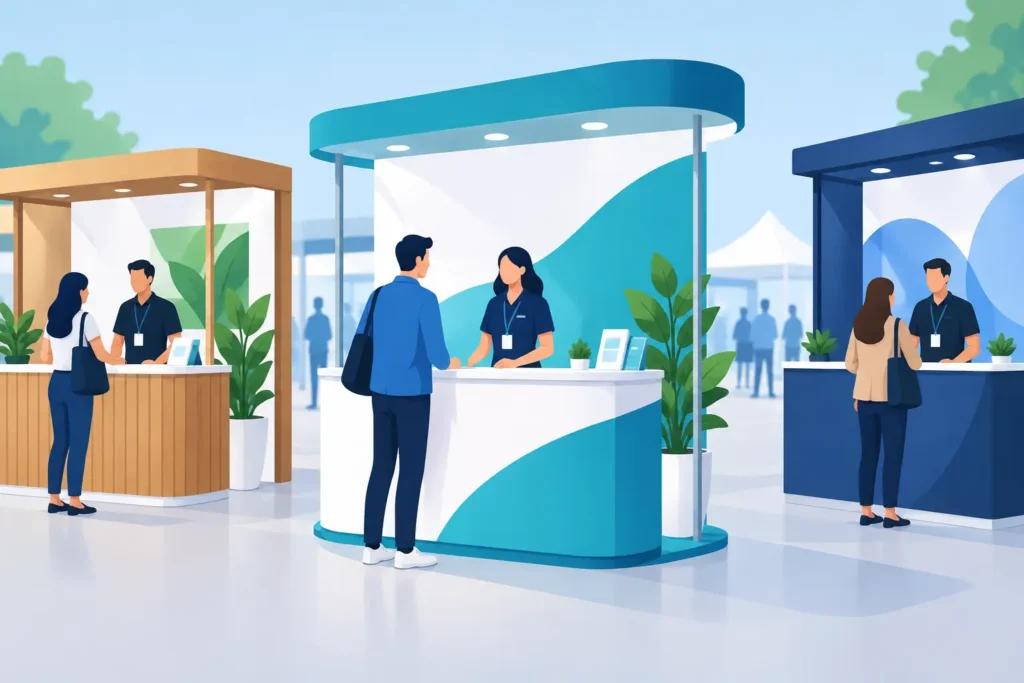
For personal parties, a bar is about showing up in style. For businesses, it can be a visibility tool. A folding table with a banner may technically display a logo, but it often reads as temporary equipment. A branded portable bar creates a stronger visual anchor that draws people toward the interaction.
That matters at tastings, pop-ups, concession areas, motorsports events, retail activations, and trade booths. Your team has a dedicated place to greet customers, hand out samples, take payments, or serve drinks. The branded front stays visible even while the working side remains organized.
A reusable custom bar can also make better financial sense than rebuilding a display for every event. If your calendar includes recurring promotions, the ability to update a wrap while keeping the core structure can extend the value well beyond a single weekend.
Choose the Setup That Matches Your Hosting Goals
Choose a folding table when you need a simple, low-cost utility surface and do not care much about presentation. It is a smart support piece, and most serious hosts will still keep one around for food, supplies, or behind-the-scenes prep.
Choose a portable bar when serving is part of the experience. It is the stronger fit when you want your guests to gather in one place, when you need organized drink storage, when your setup needs to look intentional, or when you want to show off a theme, team, or brand.
The biggest mistake is treating these as identical products because both have a countertop. A table gives you a surface. A portable bar gives you a station, a backdrop, and a reason for people to come together.
For your next event, picture the moment the first guests walk in. If you want them asking where to put the chips, use the table. If you want them walking straight over, smiling, and saying, “Now this is a party,” build the bar around the moment.