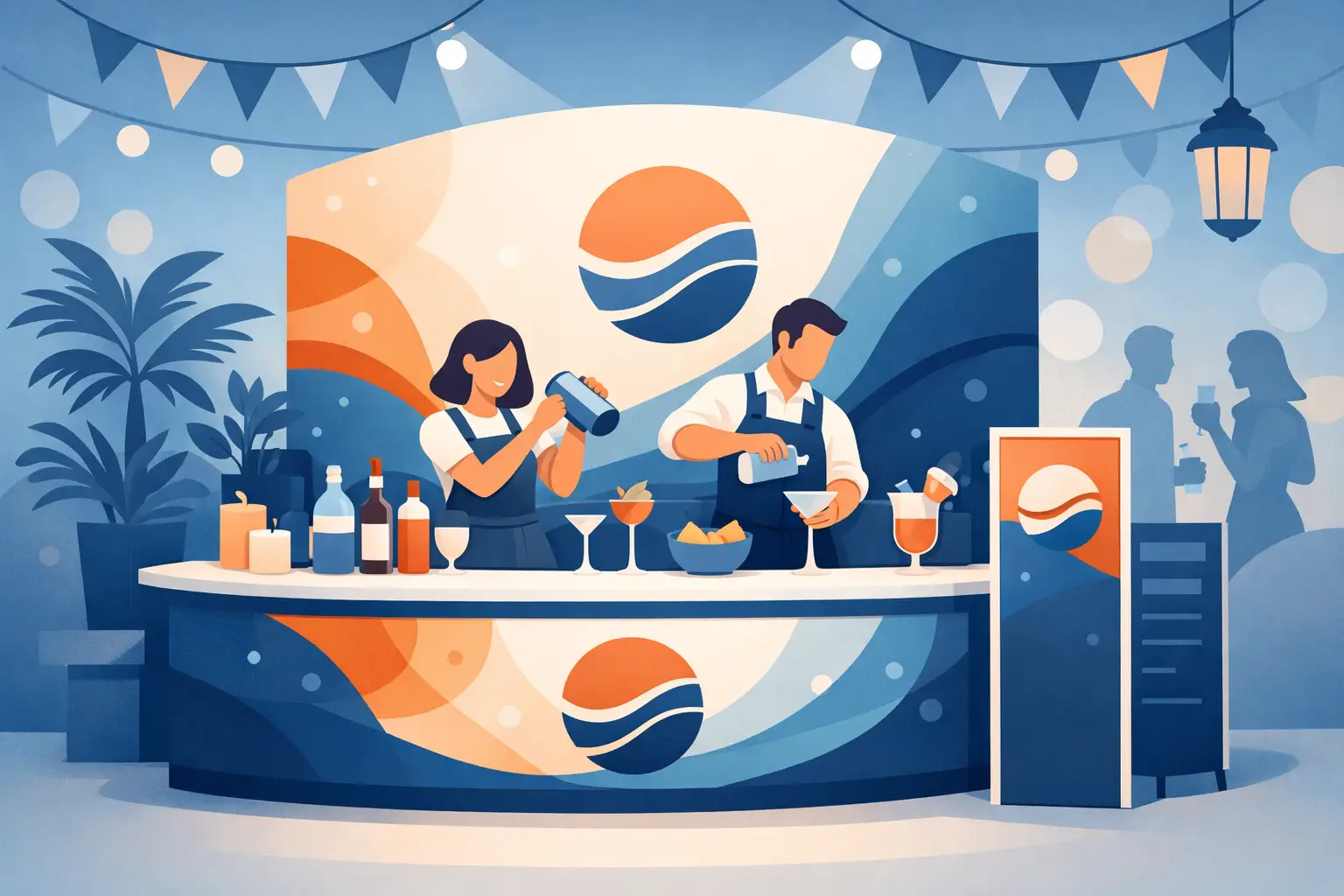
A forgettable event bar is just a table where drinks happen. A branded event bar is where people stop, take photos, ask questions, and remember who made the experience possible. If you are learning how to brand an event bar, start with this mindset: your bar is not background furniture. It is one of the most visible pieces of real estate at the party.
Whether you are pouring drinks at a tailgate, sampling products at a festival, hosting a launch party, or building buzz at a local activation, the right portable bar can turn every interaction into a brand moment. The goal is not to plaster a logo on every surface. The goal is to create a setup that looks so good people want to gather around it.
Start With the Moment You Want People to Remember
Before choosing colors, logos, or graphics, decide what your bar should make people feel. A beachside canned cocktail brand may want bright, sun-soaked energy. A motorsports sponsor may need speed, grit, and high-contrast visuals that pop from across the lot. A real estate team at a community event might go for polished, welcoming, and easy to recognize.
Your event environment matters just as much as your brand guidelines. What looks sharp under trade show lighting can disappear in a crowded parking lot or under a tent at dusk. Think about where guests will first see the bar, how close they will get, and what will be behind it in photos.
A strong concept should answer three questions quickly: Who is hosting this? What are they offering? Why should people come closer? If the design cannot communicate that from a few feet away, simplify it.
How to Brand an Event Bar for Visibility
The highest-impact branding is usually the simplest. Put your primary logo or business name in the most visible front-facing area, then support it with colors, graphics, and a clear message. Your name should not have to compete with a dozen product images, social handles, taglines, and tiny sponsor marks.
Use contrast like you mean it. A dark logo on a dark wrap may look tasteful on a computer screen, but it will not win against sunshine, crowds, coolers, tents, and event chaos. High-contrast color pairings make the bar easier to spot from a distance and easier to photograph.
Make one message do the heavy lifting. That may be a short slogan, a campaign hashtag, a product promise, or a simple callout such as “Free Samples,” “Game Day Fuel,” or “Meet Us at the Bar.” Keep it big enough to read while someone is walking by. Save the detailed story for your team, signage, QR code, or conversation.
Photography is a smart test. Imagine a guest standing beside the bar with a drink in hand. Will the brand show up clearly in the picture? If the logo is hidden by people, bottles, or bar tools, use the lower front panel and side panels to repeat your core visual elements without making the design feel busy.
Build Around the Bar’s Shape, Not Just the Artwork
A great design can fall flat when it ignores the physical setup. Your branding needs to work with the bar’s front panels, corners, shelves, service area, and traffic flow.
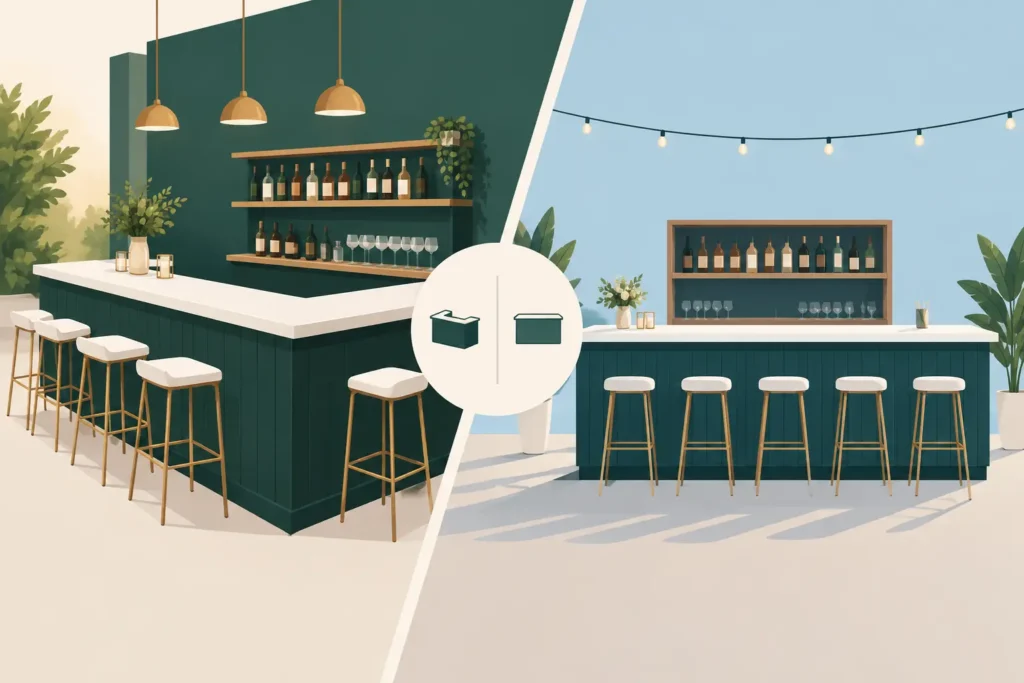
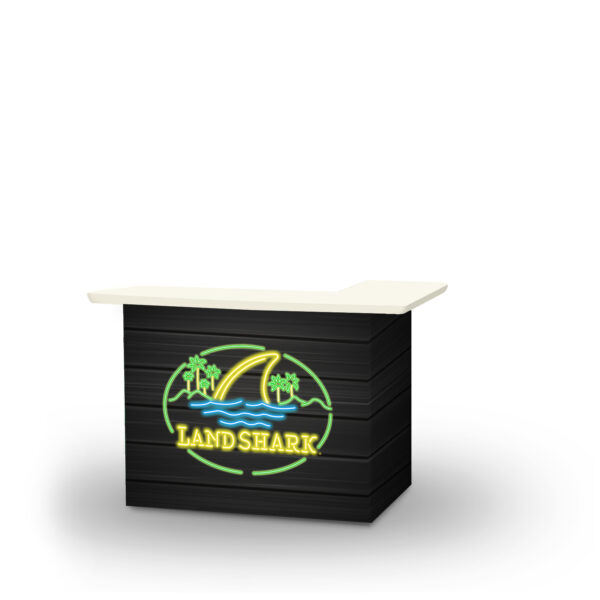
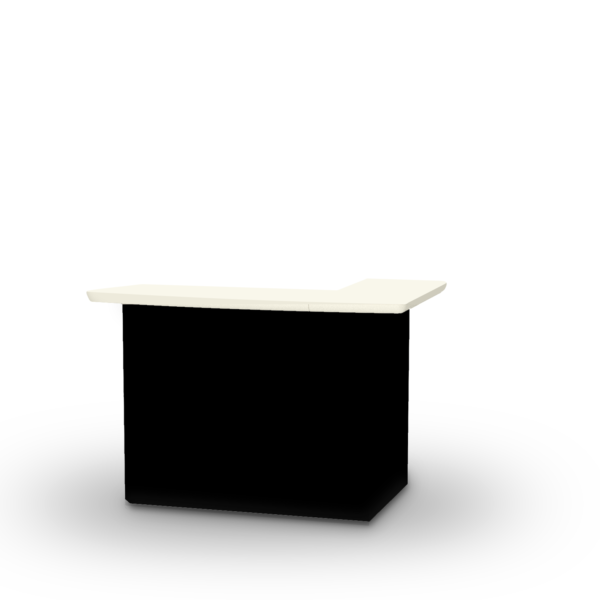
L-shaped portable bars are especially useful because they create a natural service zone while giving you multiple branded viewing angles. The long front panel draws in the crowd. A side panel can carry a secondary graphic, campaign phrase, or clean repeat pattern. Inside the bar, storage and an ice cooler keep the operational pieces close by, so your staff can stay focused on guests instead of scrambling for supplies.
Avoid placing critical text across seams, near corners, or low areas where bags and feet may block it. Your printer or design team should have the product dimensions and panel layout before finalizing artwork. This small step protects you from the painful surprise of a logo landing in the wrong place.
Also consider the top of the bar. The countertop should support the brand experience, not become a cluttered billboard. Use it for intentional details: branded napkins, menus, drink markers, a product display, or a small sign. Leave enough open space for fast service. A line that moves quickly feels premium. A bar covered in promotional clutter feels like work.
Choose Graphics That Match the Type of Event
One permanent-looking setup is limiting when your calendar is full of different audiences. The smartest event branding gives you a consistent core identity with enough flexibility to change the mood.
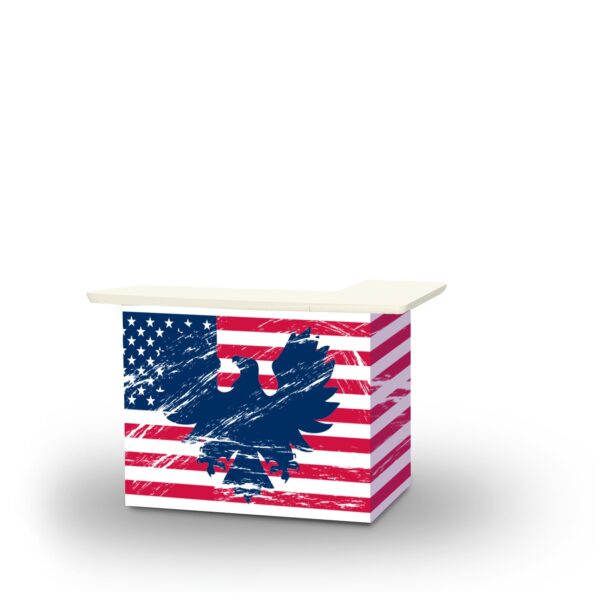
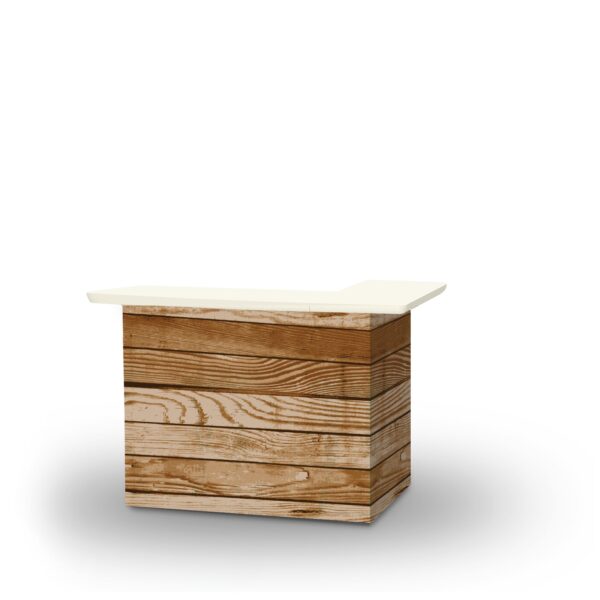
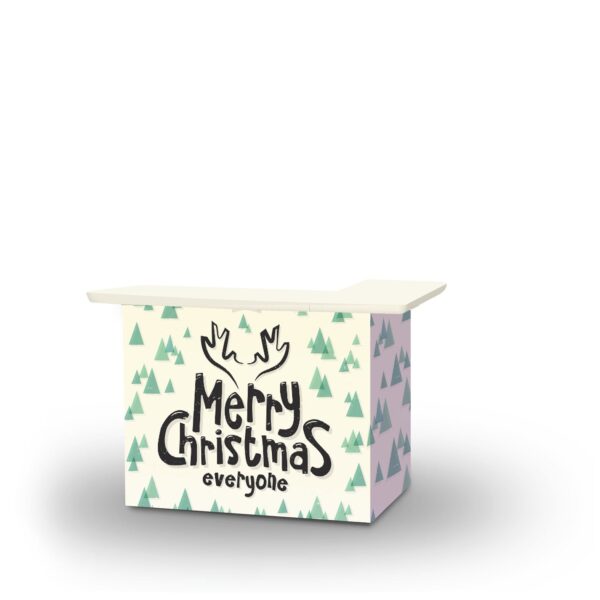
For recurring business events, build a primary wrap with your logo, brand colors, and evergreen message. This becomes your dependable workhorse for tastings, pop-ups, vendor markets, and promotional appearances. Then create campaign-specific or seasonal covers for the moments that call for more personality.
A few event directions that consistently get attention include:
- Game-day graphics with team-inspired colors, bold numbers, and high-energy phrases
- Summer visuals with tropical patterns, poolside color, or beach-ready drink themes
- Holiday covers that make the bar part of the decor instead of an afterthought
- Product launch wraps that spotlight one new flavor, offer, or campaign message
- Sponsor or partner designs for co-branded activations and charity events
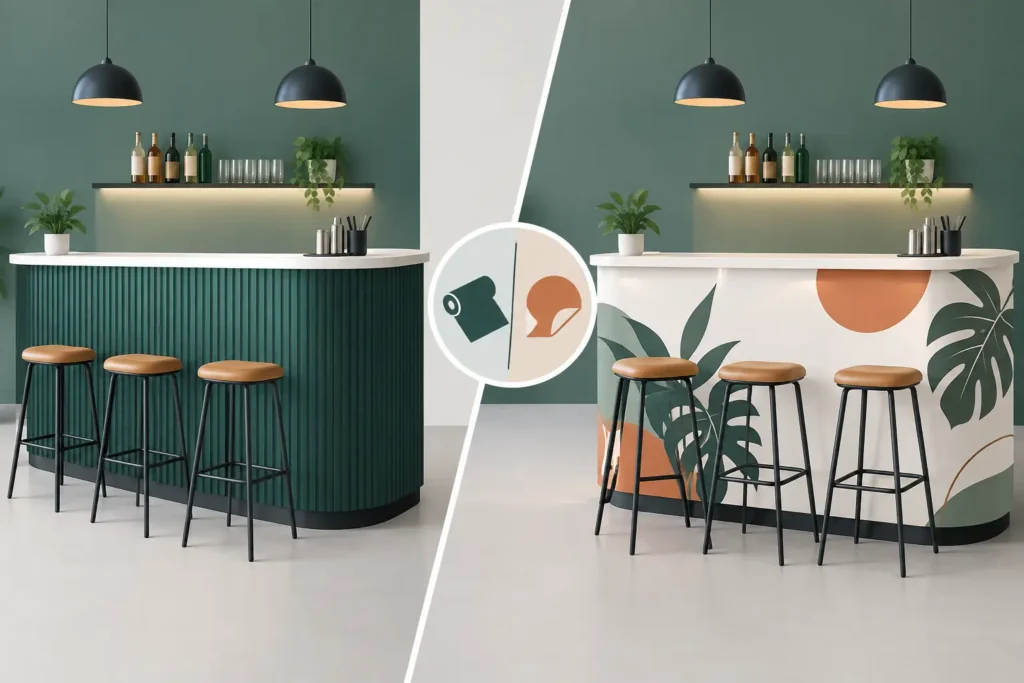
This is where interchangeable fabric wraps change the game. Rather than buying a whole new bar for every season, campaign, or client, you can switch the look and keep the same commercial-quality structure. Build A Bar makes that flexibility practical with UV-protected replaceable wraps designed to help one bar show up differently every time.
There is a trade-off, of course. A highly themed design may create a stronger immediate reaction, but it may have a shorter useful life than an evergreen wrap. For many businesses, the best approach is one polished all-purpose design plus a few high-impact covers for major events and seasonal pushes.
Keep the Service Experience On Brand
Branding is more than print. Guests notice whether the space feels organized, welcoming, and ready to serve.
Train the person behind the bar to deliver the same energy your visuals promise. If your bar design is loud, playful, and party-forward, a quiet, disengaged host creates a disconnect. If the brand is elevated and premium, messy supplies and rushed interactions can undercut the presentation.
Set up your service area with a purpose. Put drinks, samples, cups, menus, and giveaways where the flow makes sense. Keep backup inventory tucked away. An in-shelf ice cooler is not just a convenience feature. It helps preserve the clean front-facing visual that guests and cameras see.
Give people a reason to engage beyond the drink itself. Run a quick giveaway, offer a photo moment, feature a signature cocktail, or invite guests to vote on a flavor. These interactions turn passive foot traffic into conversations, content, and potential leads.
Design for Real-World Setup and Reuse
The best branded event bar is one your team can actually use again and again. Before you commit to artwork, ask practical questions. Can the bar fit in your vehicle? How fast can it be assembled? Will the graphics still look good outdoors? Is there enough storage for a busy crowd? Can you refresh the design when the event changes?
Portable does not have to mean flimsy. A bar should feel stable enough for public events while still being manageable for tailgates, RV trips, backyard celebrations, and pop-up promotions. Durable hardware and protected fabric graphics matter because your brand should look sharp after more than one big weekend.
Do not overlook lighting, either. For evening events, small uplights, string lights, or a focused sign can make your branded bar visible after the sun goes down. Just make sure lighting supports the graphic instead of washing it out.
Measure What the Bar Actually Did
A branded bar should earn more than compliments. After each event, track what happened around it. Count leads, samples served, sales, email sign-ups, QR scans, social tags, or direct conversations. Ask staff which messages people repeated back and which questions came up most often.
Photos are useful feedback, too. Look at guest-generated content and your own event shots. Is the brand readable? Does the bar feel like a centerpiece? Are people naturally gathering in front of it? Those answers will tell you far more than a design mockup ever could.
Your next great event does not need a bigger booth or a louder pitch. It may just need a bar that looks ready to host the whole party, carries your name with confidence, and gives every guest a reason to come closer.