A plain folding table can serve drinks. A branded bar display can start conversations, pull people closer, and make your setup the spot everyone remembers. Knowing how to brand a bar display means thinking beyond a logo in the middle of a panel. The best displays show people exactly who you are, what kind of experience you’re creating, and why they should stop by.
For a backyard party, that might mean team colors, a playful name, and a photo-worthy theme. For a business event, it can mean clear messaging, recognizable visuals, and a display that makes your brand look established before you say a word. Either way, the bar is not background furniture. It is the center of the action.
Start With the Moment You Want to Create
Before choosing colors or sending artwork to print, decide what you want guests to feel when they see your bar. High-energy tailgate? Polished tasting event? Beach-weekend hangout? A product launch where every photo needs to carry your brand?
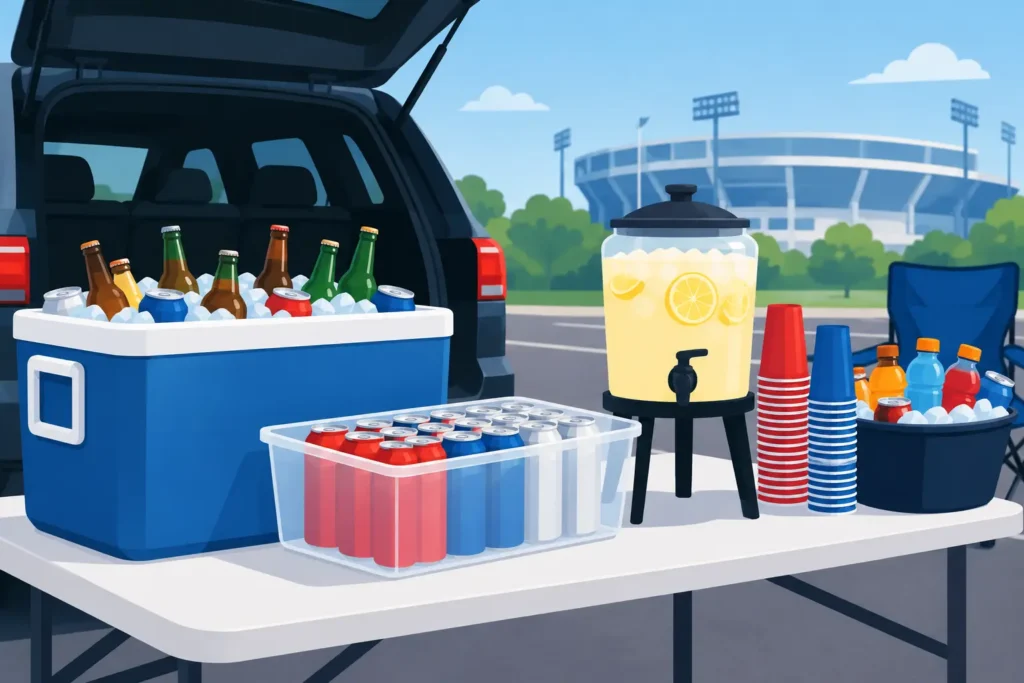
That answer should guide every visual decision. A sports bar setup can go big with team-inspired colors, bold type, and spirited graphics. A wedding or upscale private event usually calls for a more restrained palette, cleaner typography, and fewer competing elements. A concession or promotional setup should lead with the offer and the business name so people understand the purpose in seconds.
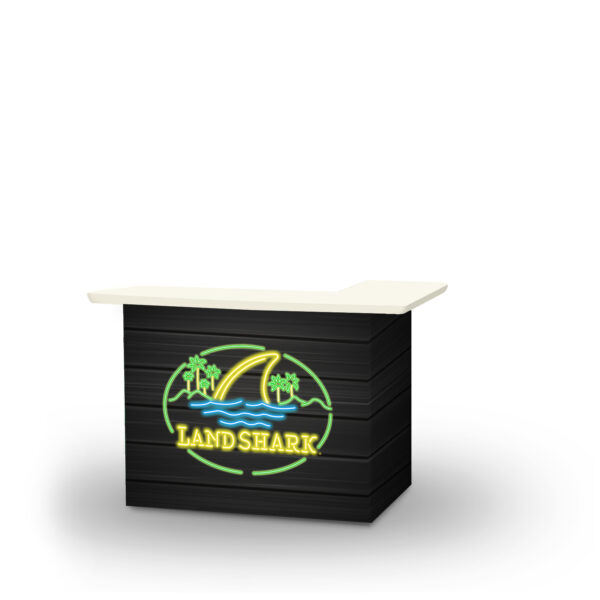
Branding works when the look matches the experience. A neon tropical wrap may get attention at a pool party, but it can feel out of place at a corporate fundraiser. There is no single “best” design – there is a best design for the crowd, venue, and occasion.
How to Brand a Bar Display for Fast Recognition
People will not study your display like a brochure. At a busy tailgate, festival, trade show, or packed backyard, they make snap decisions from several feet away. Your design needs a clear visual hierarchy: first, they notice the overall color and vibe; next, they see the name or logo; then they pick up the message or details.
Make the main message impossible to miss
Choose one primary message for the front of the bar. For a business, that may be your company name, a campaign line, or a product name. For a personal setup, it could be “The Johnson Tailgate,” “Camp Happy Hour,” or the name of your annual party.
Keep it short. A bar display is not the place for a mission statement, a long services list, or seven different calls to action. If someone cannot understand the big idea while walking by, the design is trying to do too much.
Use large, high-contrast lettering. Dark text on a light background or light text on a dark background usually reads best. Script fonts can look great for names and small accent phrases, but they are rarely the right choice for the main message. If guests need to squint, simplify.
Build around a tight color palette
Two to four main colors are usually plenty. Start with your existing brand colors if you have them, then choose a neutral or contrasting shade that keeps the display readable. Repeating those colors through cups, napkins, signage, shirts, and décor makes the whole event feel intentional.
Color also sets the temperature of the party. Black, charcoal, gold, and crisp white can feel premium and confident. Bright red, orange, and electric blue bring energy. Coastal blues, greens, and sandy neutrals fit outdoor and beach settings. The point is not to follow rules blindly. The point is to create one look that holds together from the first drink to the final group photo.
Use images with a job to do
A single strong image can add personality fast: a mascot, a scenic local landmark, a product shot, a custom illustration, or an event-specific graphic. But low-quality images can make a premium bar look temporary. Use high-resolution artwork designed for large-format printing.
Avoid filling every open space with photos, slogans, social handles, and clip art. Empty space is not wasted space. It gives your logo and message room to land. A clean display feels more confident, and it is easier to photograph.
Design Every Side Guests Will See
The front panel gets the most attention, but it should not carry the entire brand experience. Think about where people enter, order, gather, and take photos. If the bar will sit in the middle of an open space, side and back visibility matter just as much.
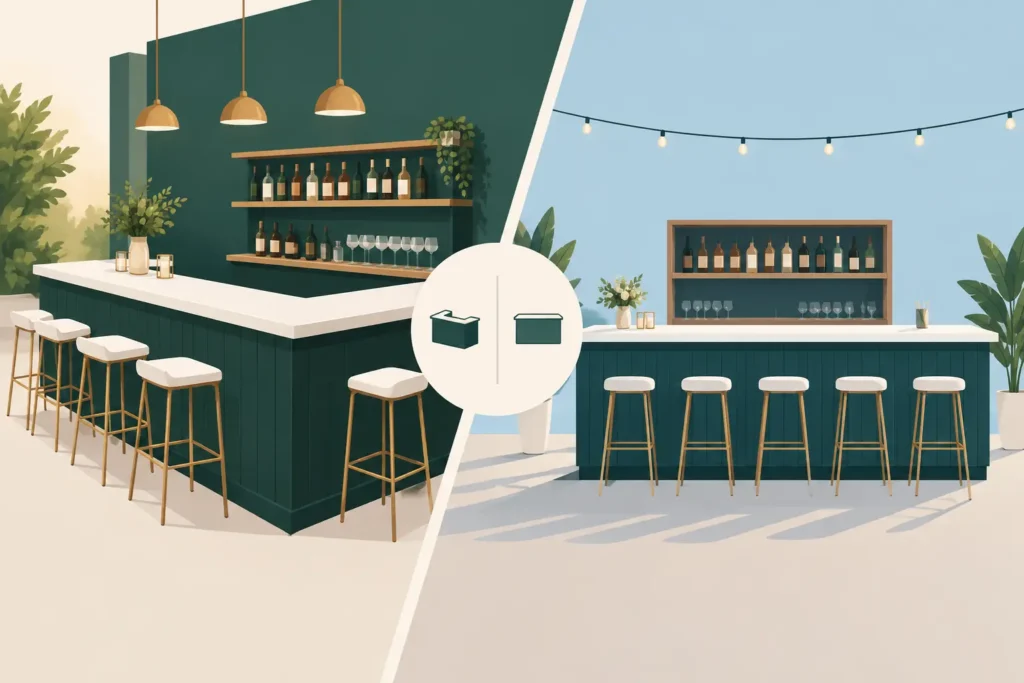
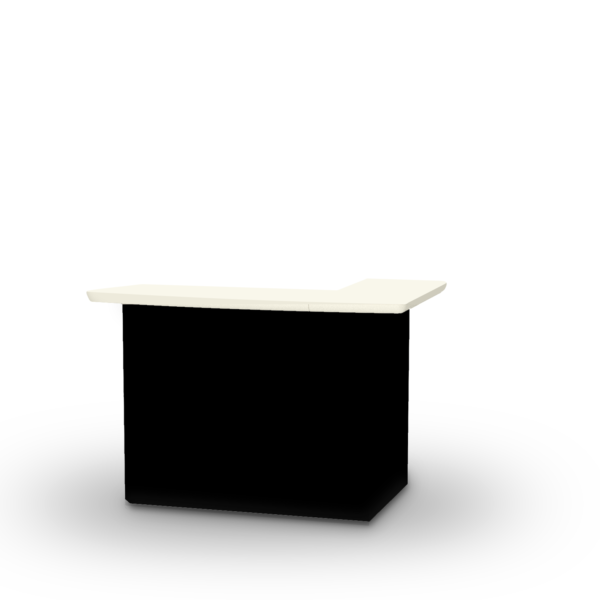
An L-shaped portable bar gives you a natural advantage here. One section can lead with your brand or event name while the other supports the experience with a menu, sponsor graphic, product category, or short callout such as “Cold Drinks, Big Energy.” Keep these elements connected by using the same colors, fonts, and visual style.
For business use, place your logo where it will appear in candid photos. Guests often stand in front of the bar, lean on it, or pose beside it. A logo that is too low may disappear behind people, while one placed at eye level or slightly above the counter line has a better chance of showing up in event content.
Match the Display to the Venue
A design that looks great online can struggle outdoors if it ignores the environment. Bright sunlight can wash out pale colors. Busy venues can swallow thin type. Wind, foot traffic, and spilled drinks are real parts of event life, not minor details.
For outdoor events, favor strong contrast and simple graphics. If your display will be near a parking lot, field, campground, or beach, test the design from a distance. Stand 15 to 20 feet away and ask: Can you still spot the name? Can you tell what is happening here?
For indoor activations, lighting becomes the variable. Dark wraps can look dramatic under spotlights but may disappear in a dim venue. White and light-colored designs brighten a space, though they can show scuffs more easily during high-traffic events. The right choice depends on how often you will use the bar, who will handle it, and whether the look needs to hide a little real-world wear.
Add Branding That Supports the Bar Experience
The display should look incredible, but it still has a job to do: serve people efficiently. Do not crowd the counter with tall signs, stacks of flyers, or décor that blocks the bartender’s workspace. A clean service area keeps lines moving and lets the branded exterior do the visual heavy lifting.
If you need to share more information, put it where guests can naturally read it while waiting. A simple menu, a QR code, or a short promotional line can work well on a side panel or tabletop sign. For a consumer party, the information might be a signature-drink menu. For a brand activation, it might be a giveaway instruction or event hashtag.
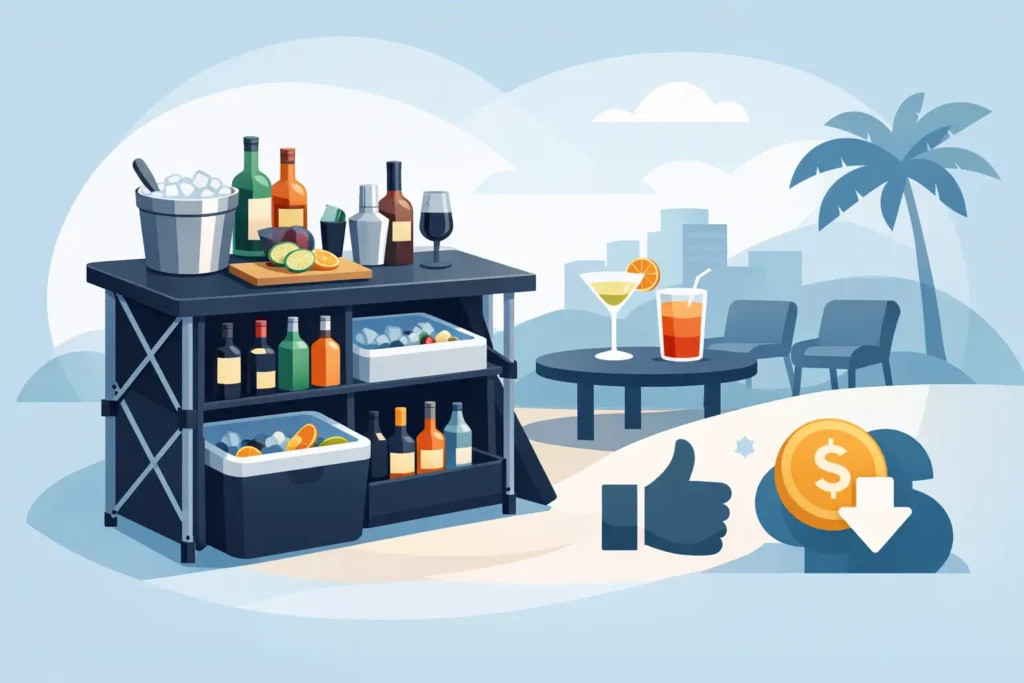
This is where smart utility earns its place. Built-in storage keeps extra supplies out of sight. An in-shelf ice cooler reduces clutter around the base. When the station stays organized, the branding looks sharper because guests see the experience, not the mess behind it.
Make One Bar Work for More Than One Event
The biggest branding mistake is treating a bar display as a one-time prop. Your setup should be ready to change with the calendar. Football season, holiday parties, summer weekends, client activations, and charity events do not need the same look.
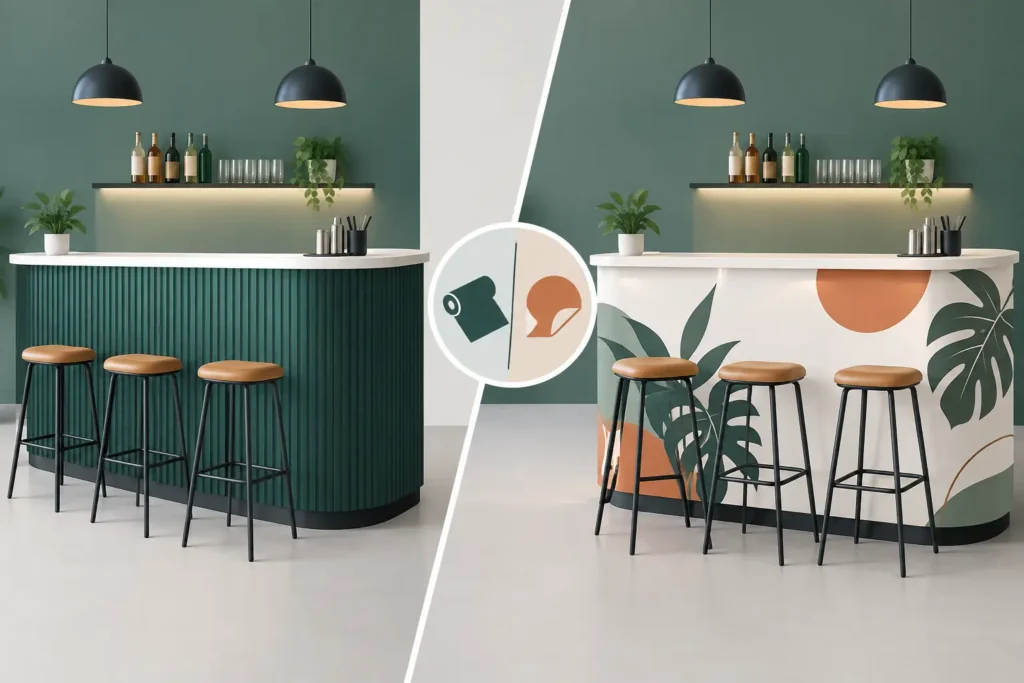
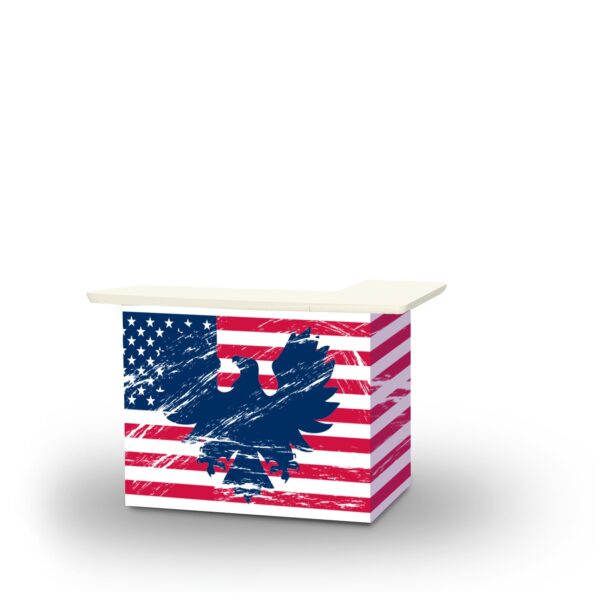
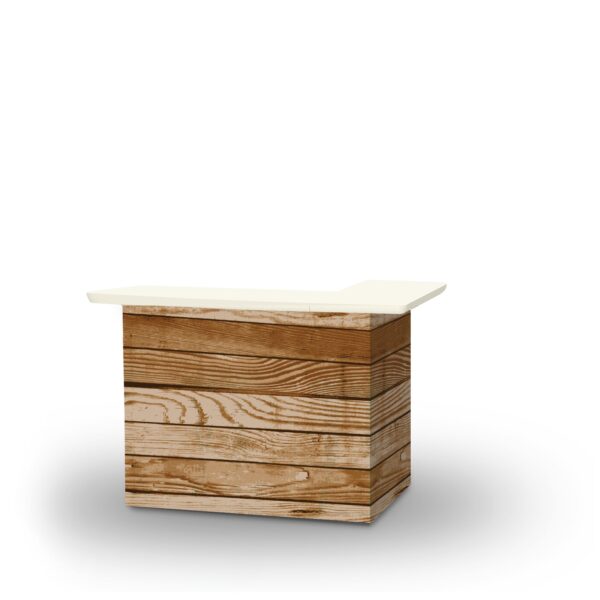
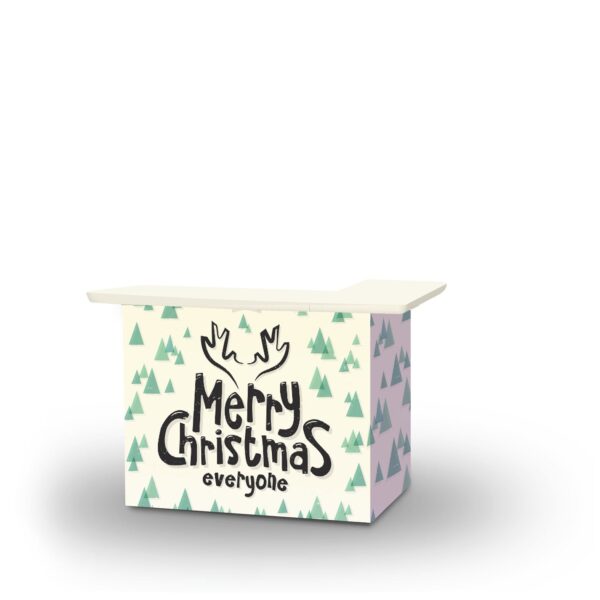
Interchangeable fabric wraps make that flexibility practical. Instead of purchasing a new station every time the theme changes, you can swap the outer design and keep the same dependable bar structure. Build A Bar makes this approach especially useful for hosts and businesses that want a professional centerpiece without locking themselves into one visual identity.
Consider creating a small wrap rotation. Your everyday design can feature your core business branding or personal bar name. A seasonal version can bring in holiday colors. A third option can support a specific team, campaign, sponsor, or annual event. This gives repeat guests something fresh to notice while helping you get more mileage from the same setup.
Give Guests a Reason to Photograph It
The best branded displays do not ask for attention. They create a scene people want to share. A clever phrase, custom event name, vibrant wrap, or coordinated drink presentation can turn the bar into the natural photo backdrop.
Think about the details around the display, too. Branded cups, matching stools, a themed menu, and a simple backdrop can amplify the effect without competing with it. Keep the bar as the hero. When every element fights for attention, the experience feels cluttered instead of celebratory.
For businesses, a photo-friendly bar can extend the life of a single event. Guests post their drinks, their group shots, and their favorite moments. Your branding travels with the memory. That is far more memorable than a logo printed on a handout that gets tossed before the ride home.
A great bar display does not need to say everything about you. It needs to make people feel something quickly: this is fun, this is polished, this is where the party is. Give it a clear identity, make it easy to see, and let the crowd do the rest.