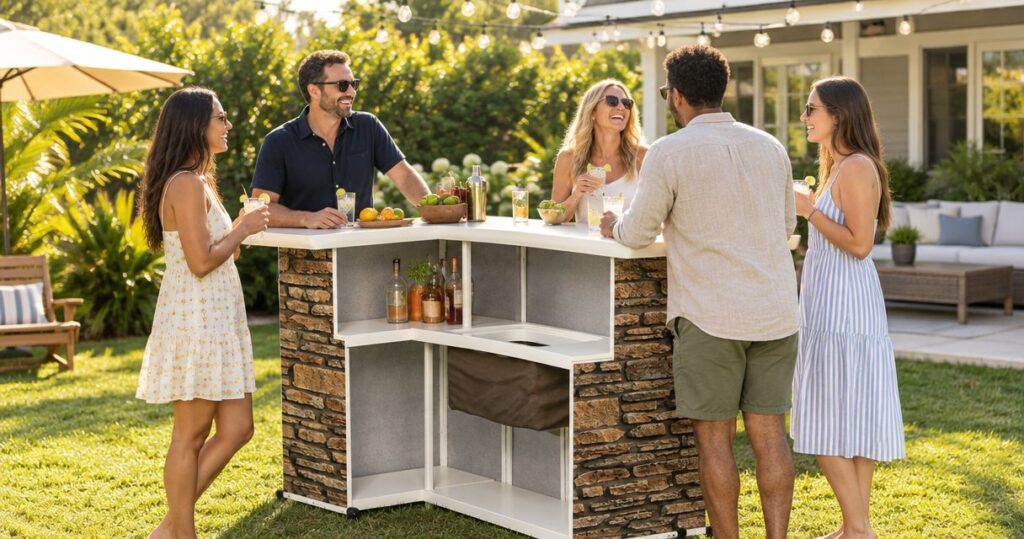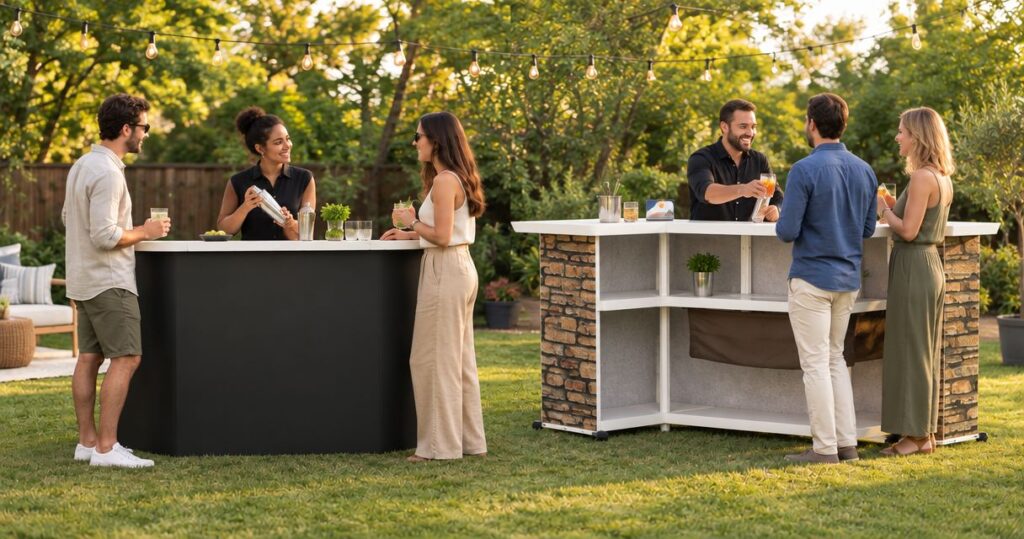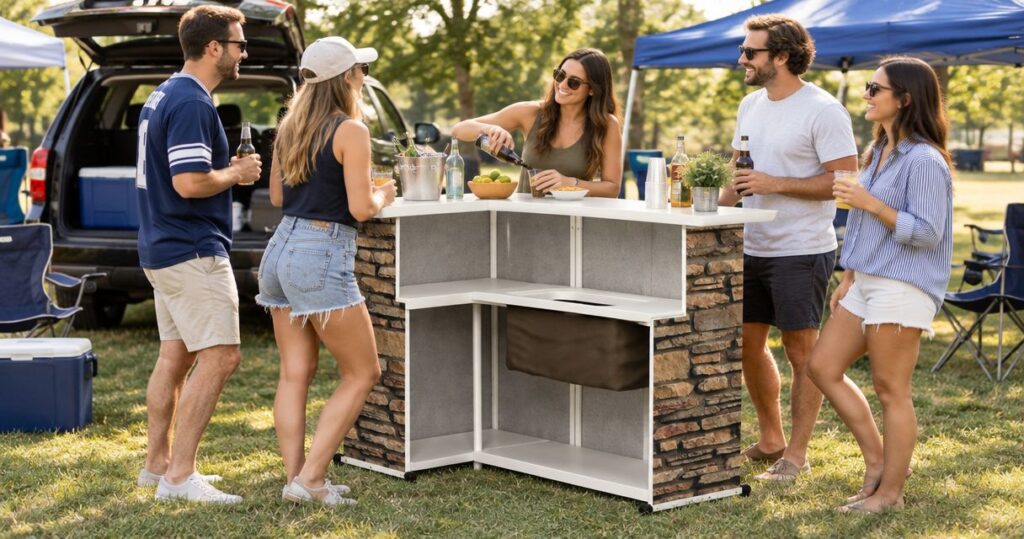
Portable bar setup time depends on the model, your familiarity with it, and whether you mean assembling the bar or getting the entire drink station ready. Time a complete practice setup before planning your party around a setup-time claim—carrying, decorating, stocking, and checking the serving area belong on the clock too.
- How long does it take to set up a portable bar? Time assembly and party preparation separately.
- Build a Bar suits hosts who want swappable fabric covers for different parties without buying another bar.
- Practice with your actual supplies, carry route, and serving location before setting your event schedule.
- A standing bar is not a finished drink station: check stability, access, and supplies before guests arrive.
How long does it take to set up a portable bar?
The useful answer is the time it takes you to turn your packed bar into a ready-to-use serving station. An assembly demonstration answers a narrower question: how the structure goes together under the conditions shown.
For your 2026 party plans, record 2 separate timings: assembly time and total ready-to-serve time. That gives you a practical schedule instead of treating every setup task as part of the same job.
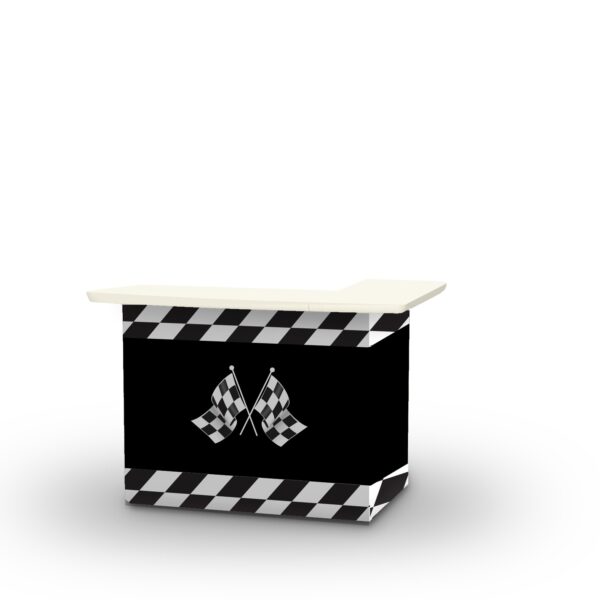
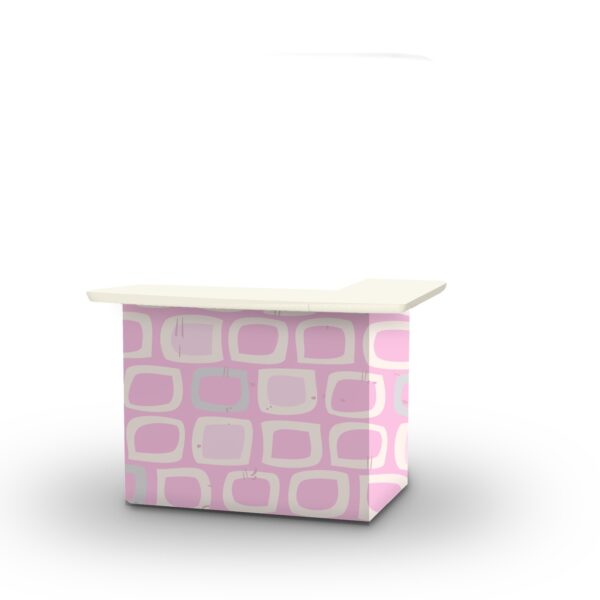
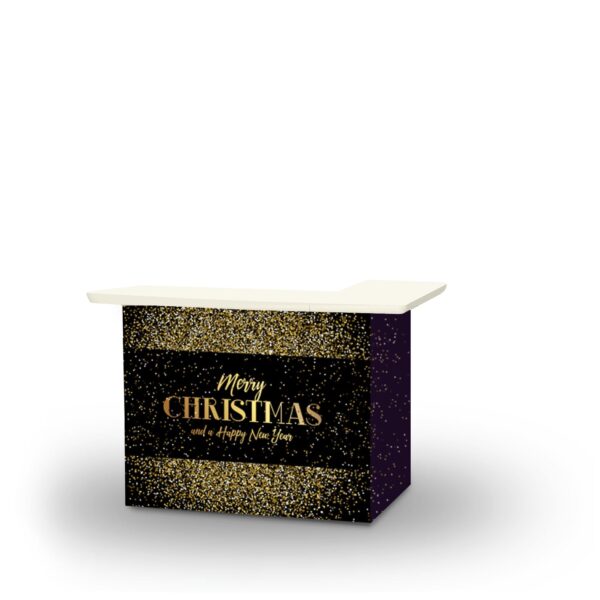
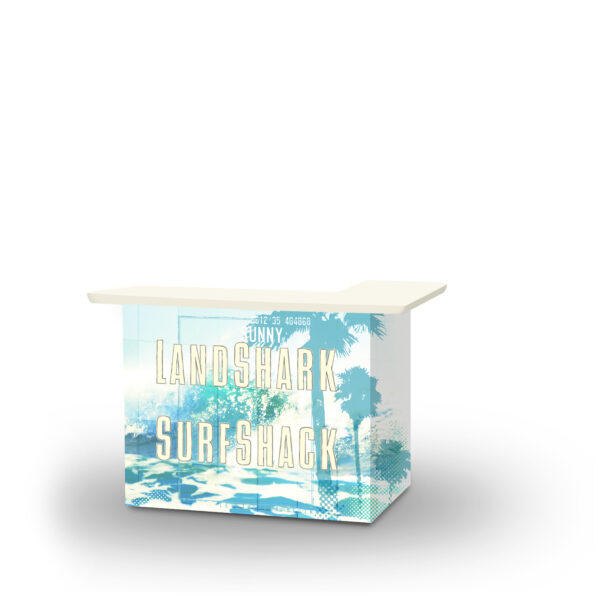
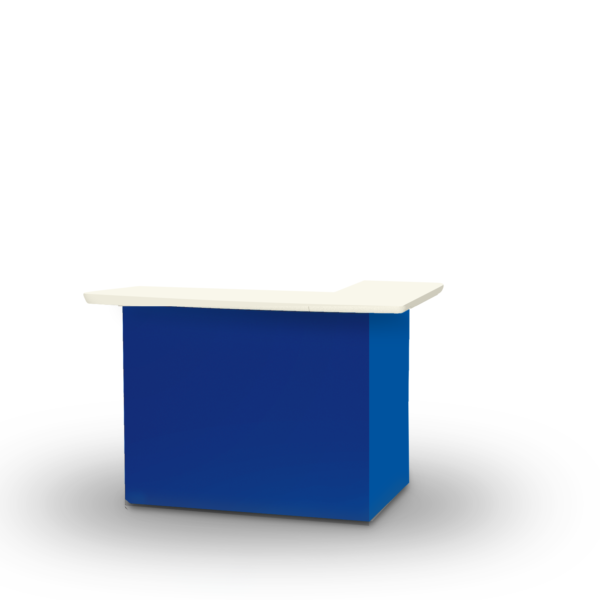
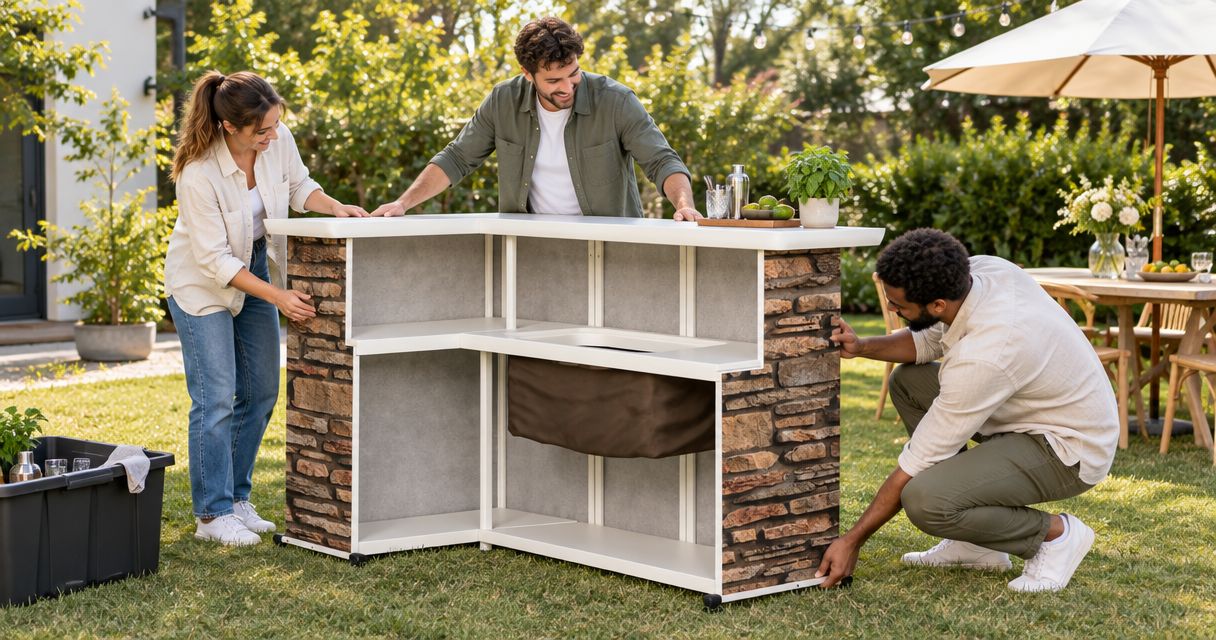
If changing the look is your priority, Build a Bar offers portable bar displays with swappable fabric covers. Include fitting your chosen cover in the practice run, rather than treating decoration as something that happens after setup is finished.
Get a setup time you can actually use
- Start where the bar is stored. Gather the bar, cover, accessories, and serving supplies before starting your full-event timer. Keep a separate note of anything you forgot.
- Carry everything to the serving location. Use the route you will use on party day, including doors, stairs, gates, and the trip from your vehicle.
- Time assembly separately. Follow the model’s instructions. Stop this timer when the structure and its required components are correctly installed—not simply when it stands upright.
- Finish the drink station. Fit the cover, arrange permitted accessories, position supplies, and prepare the surrounding area. Follow the product instructions for loading and use.
- Stop the full-event timer after your final check. Confirm stability, access, and a clear serving surface. Your total now reflects the job you actually need to finish before guests arrive.
Write down the conditions beside the result. A living-room practice run does not include the same carrying route or site preparation as a parking-lot tailgate.
Why this matters
A quick assembly is useful, but it is only part of hosting. You still need somewhere for drinks, cups, waste, and replenishment supplies—and a clear route for guests to reach them.
Schedule the finished station, not just the assembled frame. That distinction keeps a simple birthday setup from being confused with a decorated holiday station or a tailgate that starts with unloading a vehicle.
It also makes shopping comparisons fairer. Compare the same start and finish points, with the same tasks included, rather than comparing a bare-frame demonstration with your entire party preparation.
Separate assembly from ready-to-serve setup
Use these task categories when reviewing a portable bar or timing your own. They are planning categories, not claims about a particular model’s assembly speed.
| Setup stage | What belongs in it | What the timing tells you |
|---|---|---|
| Transport | Moving the packed bar and supplies to their destination | Whether your carry route fits your plans |
| Assembly | Installing the structure and required components according to instructions | How long the bar itself takes to put together |
| Appearance | Fitting a cover and arranging suitable decorations | How much work your party theme adds |
| Service preparation | Placing drinks, cups, napkins, and other supplies | When the station becomes usable |
| Final check | Checking stability, access, and the surrounding area | Whether setup is actually complete |
Do not stop the clock early because the bar looks finished from the front. Walk behind it and check whether you can reach what you need without rearranging everything.
A useful practice run ends with a pretend serving task. Reach for a cup, prepare the drink you intend to offer, and put away the supplies; the exercise exposes awkward placement before your guests do.
First setup versus repeat setup: what changes?
A first setup includes learning the instructions and identifying the parts. A repeat setup gives you an opportunity to use a familiar sequence, but it still needs the same safety checks.
Neither situation supports a universal minute estimate. Compare the tasks instead:
| Setup situation | Best for | Practical advantage | Limitation to plan around |
|---|---|---|---|
| First practice setup | Learning a new bar before hosting | Lets you understand the instructions without waiting guests | Includes learning and decisions you have not made yet |
| Repeat setup in the same spot | Recurring home gatherings | Lets you reuse a serving layout and carry route | Supplies and decorations still need preparation |
| Familiar bar at a new venue | Taking your station to a different event | You already know the assembly sequence | Access, ground conditions, and placement need fresh checks |
| Cover change between themes | Hosts who want a different party look | Changes the display’s appearance without replacing the bar | Cover fitting is only part of preparing the station |
Build a Bar is best for hosts who want a portable bar display with a changeable party design. Its swappable-cover approach addresses appearance; you still need to plan transport, assembly, and serving supplies.
For a first-event walkthrough, use the guide to setting up a collapsible bar for your first party. Keep your model’s instructions beside you throughout the actual assembly.
Why portable bar setup time varies
Your setup time changes when the work changes. Use these factors to decide what belongs in your rehearsal rather than adding an arbitrary allowance to a demonstration time.
- Familiarity with the instructions. Reading the sequence and identifying components are part of a first setup. Do that before guests are waiting.
- The carry route. Include the actual journey from storage or your vehicle. Check doorways, stairs, gates, and access to the serving spot.
- The serving location. Placement needs attention indoors and outdoors. Follow the model’s requirements for its supporting surface and intended use.
- The chosen look. A cover change, seasonal decorations, and a gameday arrangement are distinct preparation tasks. Rehearse the version you intend to use.
- The drink-station plan. Self-service cups and packaged drinks involve a different arrangement from a host-served station with preparation supplies.
- The supplies you bring. Gathering missing napkins or fetching a forgotten accessory interrupts the job. Pack from a checklist instead of memory.
For a 2026 tailgate, assess the location separately from the bar. Knowing the assembly sequence does not tell you whether your chosen spot leaves enough room to serve comfortably.
Plan the look before you unpack
Changing your bar’s design does not have to mean buying another bar. A swappable fabric cover lets you plan a different appearance around the same display, while the rest of the station gets its own preparation checklist.
Think in concrete occasions: a birthday gathering at home, a seasonal holiday party, or a gameday setup beside your other tailgating equipment. Choose the cover before packing so the appearance decision is already made when you arrive.
Keep the design change separate from the service change
A new look and a new serving plan are different jobs. Reusing the same cup placement while changing the cover is not the same task as rebuilding the station around a different drink menu.
For your 2026 holiday gathering, decide which elements stay familiar and which ones change. Keep the working arrangement if it suits the event, then prepare the cover and decorations separately.
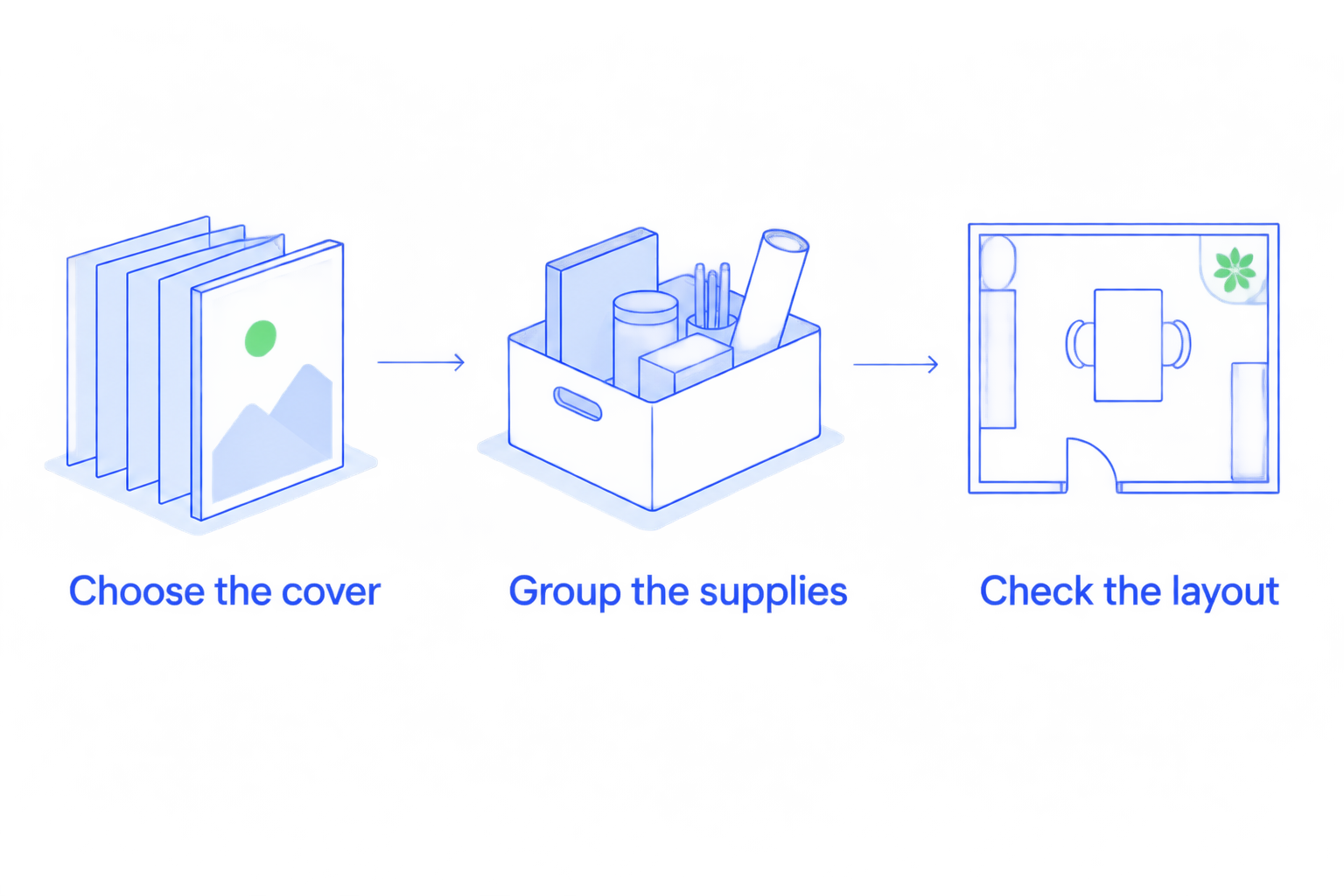
Use these 3 checkpoints before packing:
- Choose the cover: Set aside the design intended for that gathering.
- Group the supplies: Keep the items needed for the station together.
- Check the layout: Decide where serving, replenishment, and guest access belong.
How should you compare setup claims before buying?
Ask what the claimed setup includes. A useful demonstration should make it clear where the process starts, which components are fitted, and what remains to be done before serving.
Compare bar options against your actual hosting habits, not just the appeal of a fast opening sequence.
| Option | Best for | Useful reason to consider it | Setup question to resolve |
|---|---|---|---|
| Portable bar with swappable covers | Hosts changing party themes | Lets you change the display design without buying another bar | Does your practice include fitting the cover? |
| Other folding portable bar | Hosts prioritizing pack-away storage | Provides a portable alternative to a permanent installation | Which components and steps does assembly require? |
| Permanent home or patio bar | Hosts wanting a dedicated serving location | Keeps the serving location established | What cleaning, stocking, and event preparation remain? |
| Renting a bar | Hosts arranging a particular event | Lets you select a bar for that occasion | Who handles delivery, placement, assembly, and collection? |
The trade-off is not simply fast versus slow. A permanent location still needs preparation; a portable option adds transport and assembly tasks; a rental requires clarity about who performs each job.
Before choosing your 2026 party setup, ask for the instructions and review the full sequence. Do not treat a short demonstration as a substitute for checking what you must carry, fit, and prepare.
Can you set up a portable bar by yourself?
Follow the model’s handling and assembly instructions to determine whether solo setup is appropriate. Do not assume that portable means suitable for every person to carry or assemble alone.
Rehearse the whole route, not just the assembly. If you need help moving the packed bar through a doorway or carrying supplies from a vehicle, include that help in your event plan.
Does changing a cover mean starting setup again?
A cover change changes the display’s appearance, but the fitting procedure depends on the bar’s design. Follow the instructions rather than assuming you can change a cover while the station remains loaded.
Prepare the chosen cover before the event. Keep drink preparation separate from any adjustment that requires moving supplies or handling the display.
Should you assemble the bar before adding drinks?
Complete the required assembly and stability checks before loading the bar. Follow the product’s instructions for loading, component placement, and intended use.
Then arrange supplies in serving order. Keep frequently used items accessible and avoid letting decorations take over the space you need to work.
FAQ
How long does it take to set up a portable bar for a party?
Use a timed practice setup of your chosen model to establish your party schedule. Include carrying, assembly, cover fitting, stocking, and final checks rather than timing the structure alone.
Does portable bar setup time include stocking drinks?
Assembly time and ready-to-serve time are different measurements. Ask what a setup claim includes, then time stocking and arranging your supplies as part of your complete event preparation.
Will my portable bar be quicker to set up after the first party?
A familiar assembly sequence removes the need to learn the process from scratch. Your overall preparation still depends on the location, carry route, supplies, and chosen party arrangement.
Can I change my bar’s look without buying another bar?
Build a Bar offers portable bar displays with swappable fabric covers for changing the design. Include cover fitting in your preparation and follow the instructions for the display.
Should I practice setting up a portable bar before a tailgate?
Yes—practice assembly before your tailgate and check the actual carrying and serving arrangements separately. An indoor rehearsal does not account for the route from your vehicle or the conditions at your event.
What should I check before guests use a portable bar?
Check that assembly is complete, the bar is stable, and access is clear before guests use it. Follow the model’s instructions and keep the serving surface organized for its intended use.
One last thing
Rehearse packing the bar away, too. Setup is only half of owning something you plan to move between parties, and your packing sequence belongs on the same checklist.
After your first 2026 gathering, update that checklist with anything you fetched, moved, or forgot. Your own complete routine is a better planning reference than someone else’s bare-frame demonstration.
Related guides
- Folding bar buying checklist: frame, shelves, and carry bags
- Portable outdoor bars for tailgating: a buyer’s checklist
- How to store a portable outdoor bar between parties