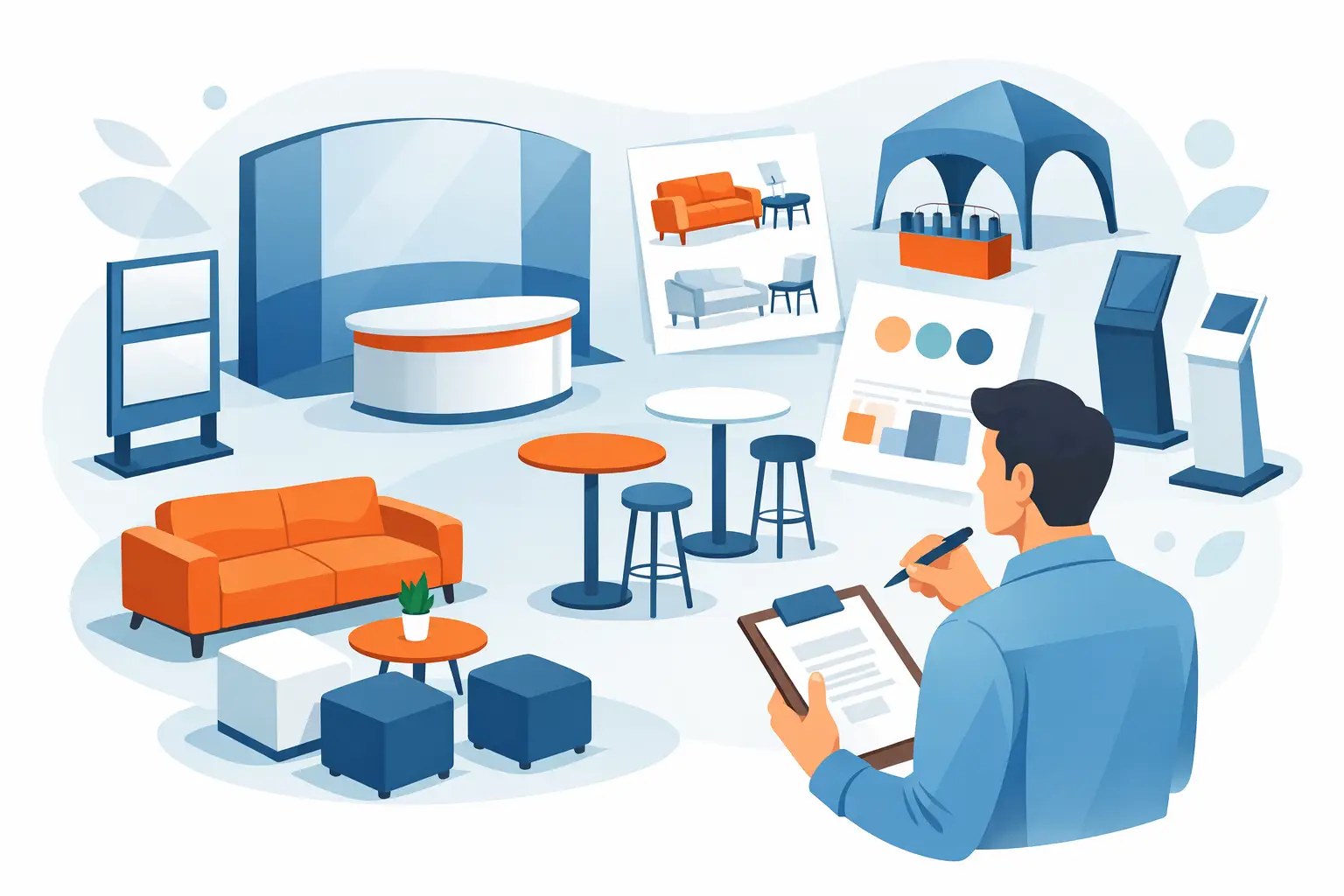
A crowded event floor gives people seconds to decide where to stop. That is why a smart brand activation furniture selection guide starts with one question: will this piece create a reason for people to gather, engage, and remember your name? Great activation furniture does more than hold products or fill empty space. It puts your brand at the center of the action.
For a tailgate, pop-up, trade event, product launch, or community festival, the right setup should look sharp from across the room and still perform when the crowd shows up. Think bold, useful, photo-ready, and easy to make your own.
Start With the Crowd, Not the Catalog
Furniture should be selected around the experience you want guests to have. A beauty brand handing out samples needs a different setup than a beverage company pouring cold drinks, a sports sponsor hosting fans, or a local business collecting leads at a street festival.
First, define the main job of the activation. Are you serving, sampling, demonstrating, selling, collecting information, or simply creating a branded hangout spot? One piece can support several goals, but it needs a clear primary purpose. A display counter that looks fantastic but leaves no room for staff, product inventory, or guest flow becomes a bottleneck fast.
Then consider how people will approach it. If your audience is standing and mingling, bar-height furniture creates natural conversation and keeps the energy high. If visitors need a longer product demo or a private consultation, a lower counter or seated area may make more sense. The best choice depends on your goal, your footprint, and how long you expect guests to stay.
A portable bar station is especially powerful when the activation is built around hospitality. Drinks, snacks, giveaways, check-in, and branded conversation all have a natural home at the bar. It gives people a destination instead of another table they walk past.
Choose Furniture That Works as a Visual Anchor
Your furniture is part of your event signage, whether you planned it that way or not. Generic folding tables covered with a logo cloth may be functional, but they rarely signal that something worth seeing is happening. A well-designed activation piece creates shape, height, color, and a clear focal point.
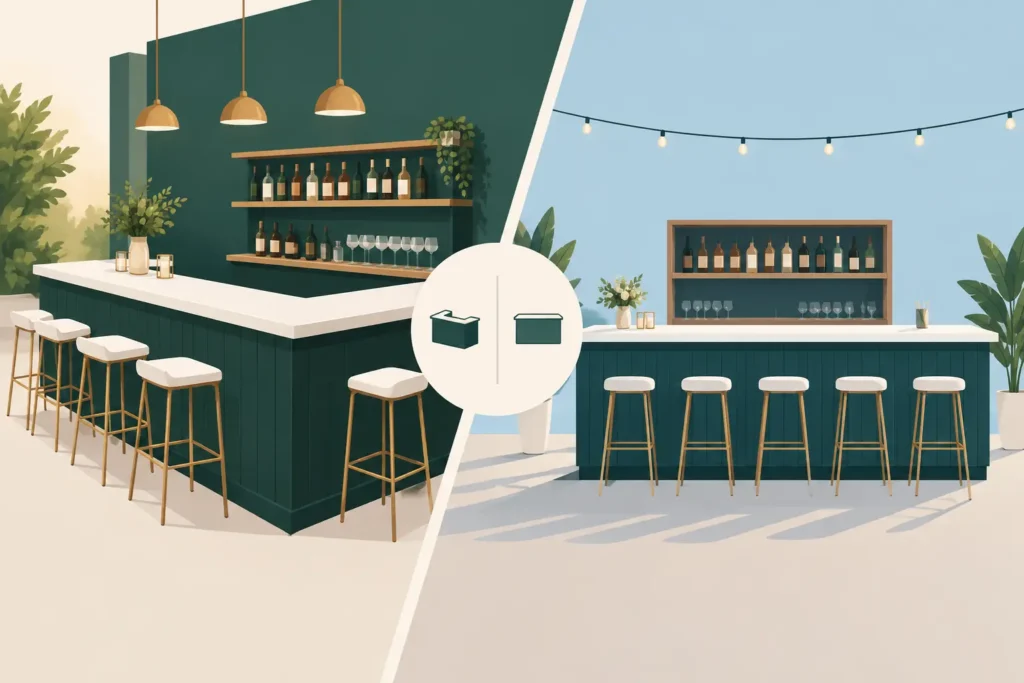
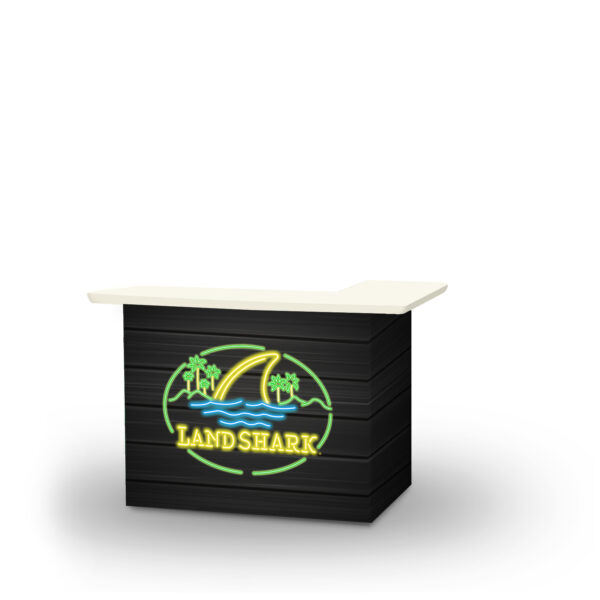
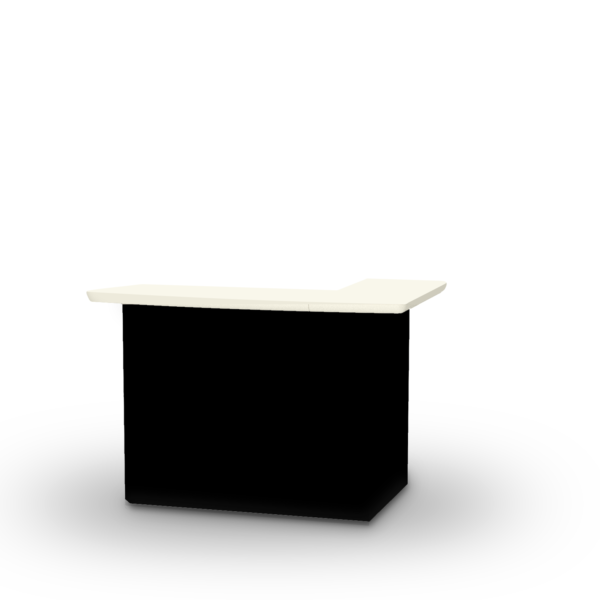
Look for a profile that can be seen from multiple angles. L-shaped stations work particularly well because they create an inviting service zone while offering more usable counter space than a narrow straight table. They also give brand ambassadors a practical work area behind the display while keeping the front open and approachable.
Color matters, but so does contrast. A dark logo on a dark wrap disappears under event lighting. Small text disappears from ten feet away. Your furniture graphics should use high-contrast colors, oversized visual elements, and messaging simple enough to understand in a glance. A great branded wrap does not try to say everything. It makes people curious enough to walk over.
For consumer-facing events, ask a simple test question: would someone want to take a photo in front of it? If the answer is yes, your display can keep working after the event through guest posts, stories, and shared memories.
Make Branding Adaptable
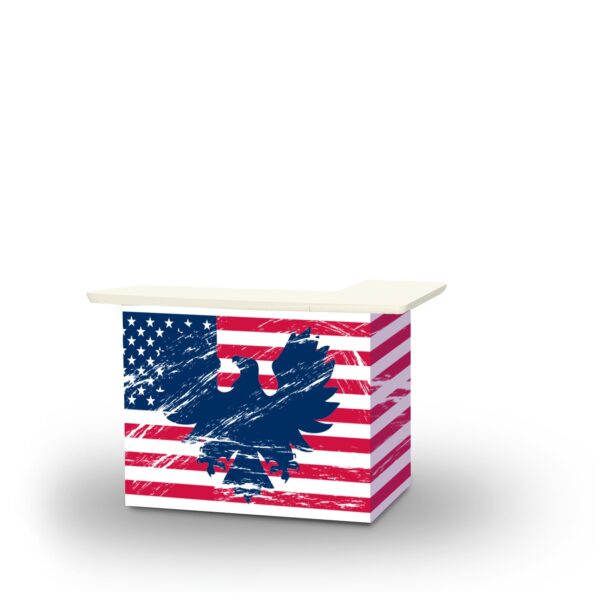
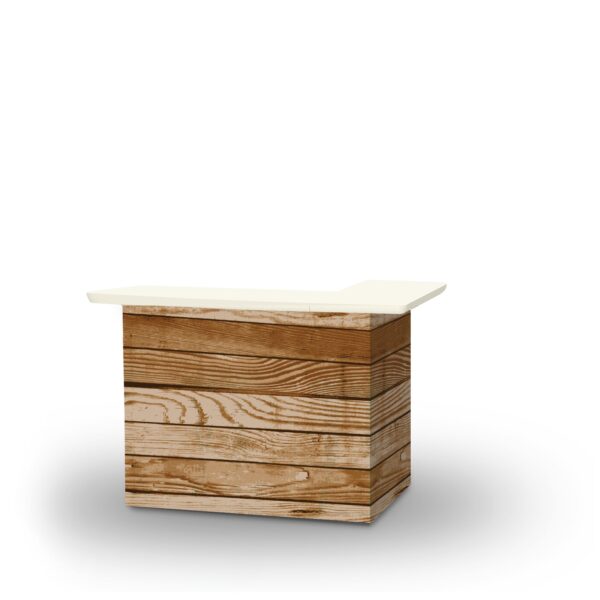
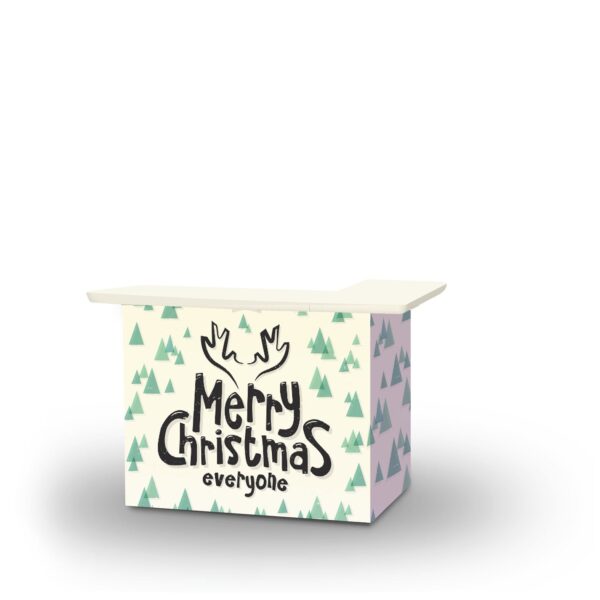
Permanent branded furniture can make sense for a company with one logo, one campaign, and a steady event calendar. Most growing brands, however, need flexibility. Seasonal campaigns change. Sponsors change. Products launch. A black-and-gold football tailgate can become a beach-party setup, holiday promotion, or motorsports display with a completely different look.
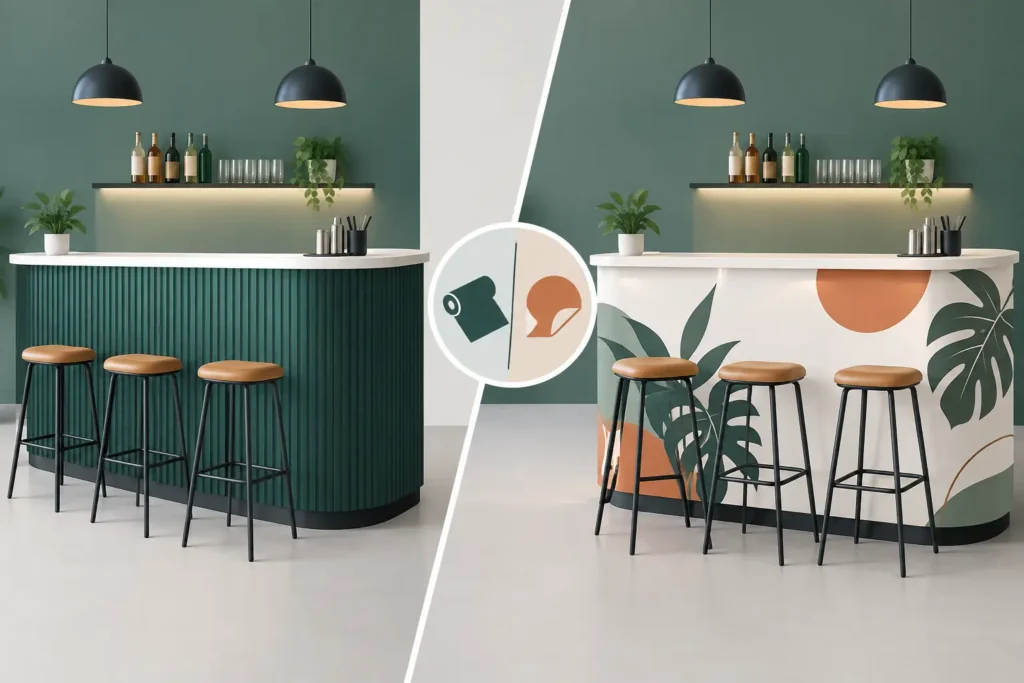
That is where interchangeable fabric wraps earn their place. Rather than buying new furniture every time your campaign changes, you can keep the same commercial-quality frame and swap the visual skin. UV-protected wraps are particularly useful for outdoor promotions, where sun exposure can dull printed graphics over time.
Build A Bar was built around this exact idea: a portable display that can change its personality as fast as your event calendar does. For a business, that means more campaign mileage from one core piece. For hosts and brand ambassadors, it means every party can look like its own headline event.
Prioritize Function Behind the Flash
Attention gets people to the activation. Function determines whether your team can keep up once they arrive.
Before choosing a piece, map the operational details. Where will ice go? Where will cups, samples, flyers, payment tools, backup inventory, and staff belongings live? Can two people work without constantly reaching over each other? Does the counter have enough depth for serving or demonstrating? These questions sound practical because they are. They are also what separates a smooth, high-energy activation from a chaotic one.
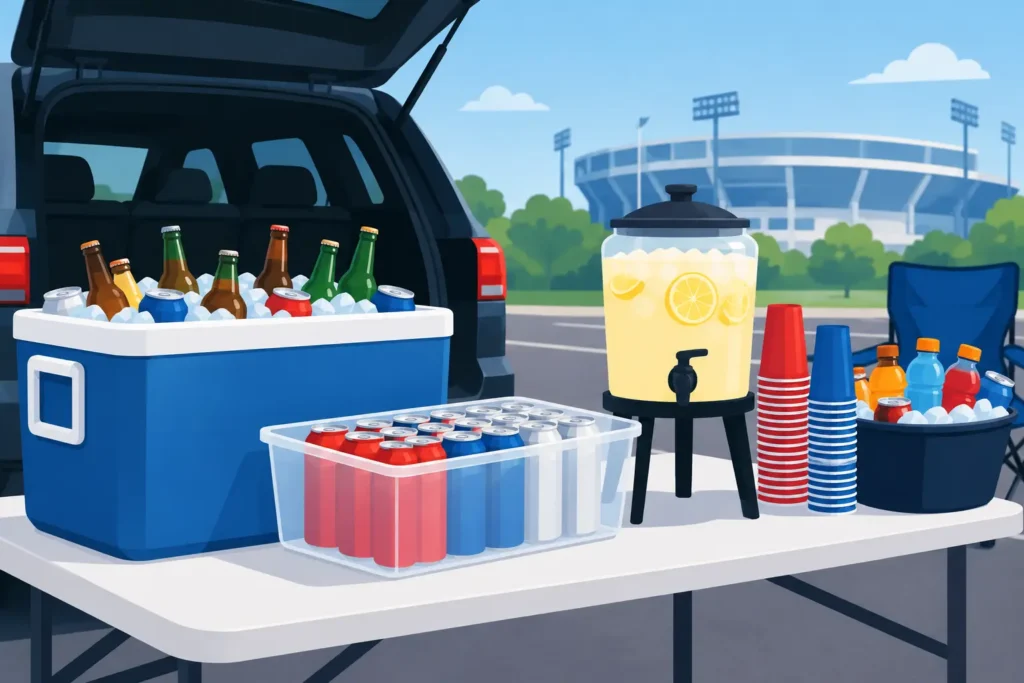
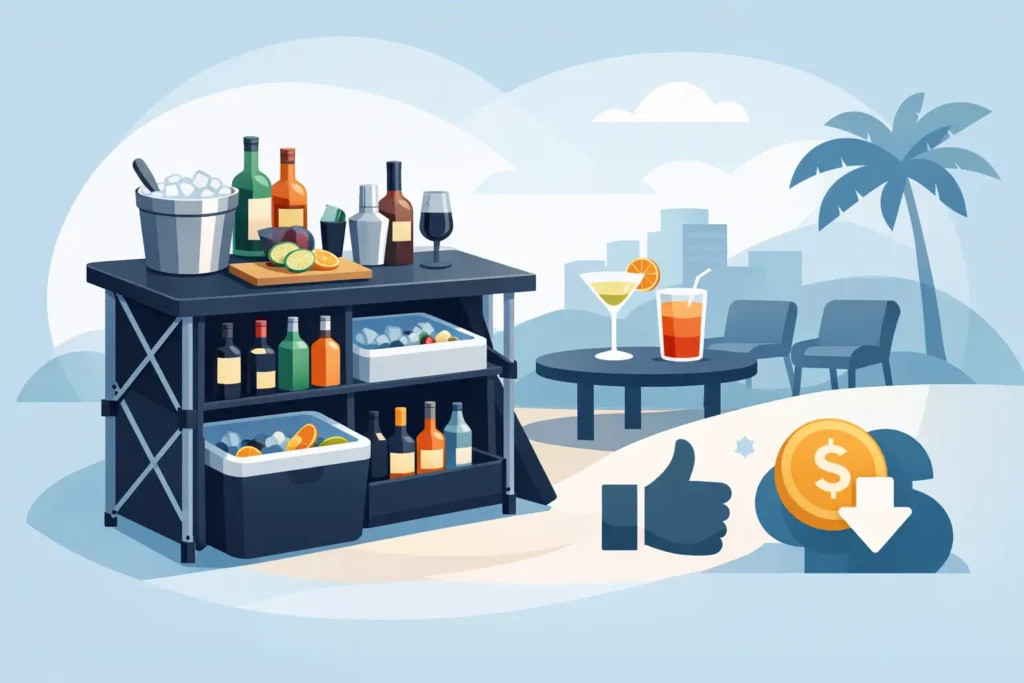
For beverage service, an in-shelf ice cooler can be a game changer. It keeps cold items within reach and reduces trips to a separate cooler, which helps staff stay engaged with guests. Built-in storage is just as valuable for keeping the visible surface clean. The front of the display should sell the experience, not show stacks of supplies.
Do not confuse “portable” with flimsy. Event furniture takes a beating: loading in and out, being bumped by crowds, sitting on grass, pavement, or uneven venue floors, and working through long days. Choose commercial-quality construction that feels stable when guests lean in or set down a drink. A display that wobbles can undercut even the best graphics.
Plan for Transport, Setup, and the Real Event Environment
The most impressive activation furniture is the piece that actually makes it to every event. If setup requires a large crew, specialized tools, or a complicated assembly process, it may sit in storage when your next opportunity comes up.
Measure more than the event footprint. Check vehicle space, doorways, elevators, storage areas, and the route from loading zone to booth. A compact portable system is ideal for brand teams working from SUVs, trailers, RVs, or small business vehicles. For tailgates and campsites, portability matters even more because the setup needs to feel like fun, not a construction project.
Also match materials to the setting. Outdoor events call for weather-conscious finishes and graphics that hold their color. Indoor venues may have strict floor protection, fire-safety, or footprint requirements. A festival can be windy, dusty, and crowded; a convention can be tight on space and strict on timing. There is no one perfect setup for every event, but modular furniture gives you more ways to adapt without starting over.
Size for Energy, Not Just Square Footage
Bigger is not automatically better. An oversized display in a small booth can trap staff, block traffic, and make visitors hesitate to enter. On the other hand, a small setup in a large open venue can disappear.
Use the event layout to decide whether your furniture should invite people to circle around, approach from the front, or line up along one side. An L-shaped bar can create a natural corner that feels active and premium without requiring a massive footprint. Add height through a strong backdrop, branded wrap, or display items rather than cramming the floor with extra tables.
Leave breathing room around the activation. Guests need space to stop, chat, take photos, and move along without feeling pushed. That open space is not wasted square footage. It is where the social proof happens.
Build for Repeat Use and Better Returns
Activation furniture should be evaluated as a repeat-use asset, not a one-day expense. The cheapest option can become expensive if it needs replacing after a few events or looks too generic to support different campaigns. The smartest investment is a durable structure that can be refreshed through wraps, covers, accessories, and new creative.
Calculate value across the full event calendar. If the same station can serve at ten tailgates, three retail pop-ups, a holiday party, a sponsorship activation, and a trade event, its cost per appearance drops quickly. Better still, every appearance builds recognition. People begin to associate your brand with a space that feels lively, welcoming, and worth visiting.
Consider whether your display can create revenue as well as visibility. A branded bar can support beverage service, merchandise sales, concession operations, sampling partnerships, and sponsored event experiences. It can also become a backdrop for content, customer testimonials, and the kind of photos that make people ask, “Where did you get that?”
Give People a Reason to Come Back
The right furniture turns a campaign into a place people remember. Make it useful enough for your team, visible enough for the crowd, and flexible enough to evolve with every new theme, sponsor, and season. When your setup looks ready to party and ready to work, guests will not just notice your activation. They will make it part of the event.