
A packed cooler on the patio, bottles balancing on a folding table, and guests asking where the drinks are is exactly when the counter versus cart decision stops being a decorating question. Your serving setup shapes the flow of the party. It tells guests where to gather, gives the host a real workspace, and can either disappear into the background or become the place everyone wants a photo.
For backyard hosts, tailgaters, campsite crews, and event pros, the right answer is rarely about which option costs less. It is about how you entertain, how often your setup needs to move, and whether you want a functional drink station or a full-on social centerpiece.
Counter Versus Cart: Start With the Job
A counter is built to hold down a space. Think of a kitchen island, a fixed outdoor counter, or a bar-height station that creates a defined serving zone. It gives you a broad surface, visual weight, and the feeling of a permanent destination. If your patio, rec room, or commercial venue hosts often in the same spot, a counter can make sense.
A cart is built to travel. It typically has wheels, a smaller footprint, and enough space for bottles, mixers, ice, and glassware. It is a smart choice when you need to roll drinks from the kitchen to the deck, move between rooms, or tuck the setup away after guests leave.
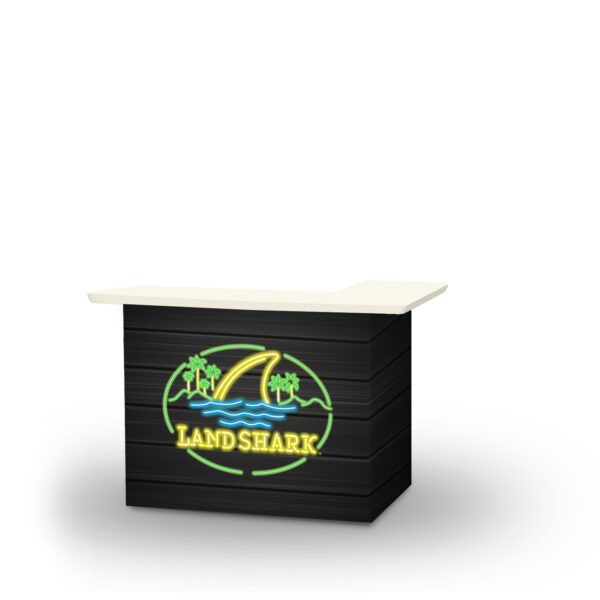
But party hosts often need something in the middle: counter-level presence with cart-like flexibility. That is where a portable bar station earns its keep. It gives guests a clear place to order a drink, gives the bartender room to work, and can still come along for game days, beach weekends, vendor events, and holiday parties.
When a Counter Is the Better Party Move
Choose a counter when the event space is permanent and the hosting routine is predictable. A built-in patio bar or fixed counter works beautifully for a home where the party always happens around the pool, on one deck, or in one finished basement. Its main advantage is stability. You can spread out with garnishes, food trays, drink dispensers, and a bigger ice bin without worrying about the surface shifting or rolling away.
Counters also create a more polished entertaining zone. They visually anchor a room or outdoor area, especially when you are designing the entire space around it. For a restaurant patio, clubhouse, or home wet bar, that permanence can feel right.
The trade-off is obvious once the guest list or location changes. A fixed counter stays where it is. It cannot follow the action to the driveway before the big game, move under cover when weather turns, or travel to the campsite. It also asks you to commit to one look. If you want a tropical party one weekend, team colors the next, and a polished branded look for a work event after that, a permanent surface does not adapt easily.
When a Cart Makes More Sense
A cart wins when storage and movement matter more than visual impact. For apartment balconies, small patios, or hosts who only need a compact drink runner a few times a year, a cart is easy to live with. Load it inside, wheel it outside, and roll it back when the night is over.
It can also be useful as support during a larger event. Put cups, canned drinks, or dessert on the cart and keep the main bar free for making cocktails. That extra station helps keep the crowd from bottlenecking in one place.
Still, most carts have limits. Their narrow tops can get crowded fast, especially once you add ice, mixers, napkins, and a few open bottles. Small wheels do not love grass, gravel, sand, curbs, or packed tailgate lots. And visually, many carts read as an accessory rather than the main event. That may be perfect for a quiet dinner. It is less ideal when you want to build energy around your setup.
Why a Portable Bar Changes the Comparison
The best hosting setups do not force you to choose between looking established and staying mobile. A portable bar can deliver the working surface and gathering-point feel of a counter without requiring a permanent installation. At the same time, it can pack up for the next celebration instead of claiming one corner of your home forever.
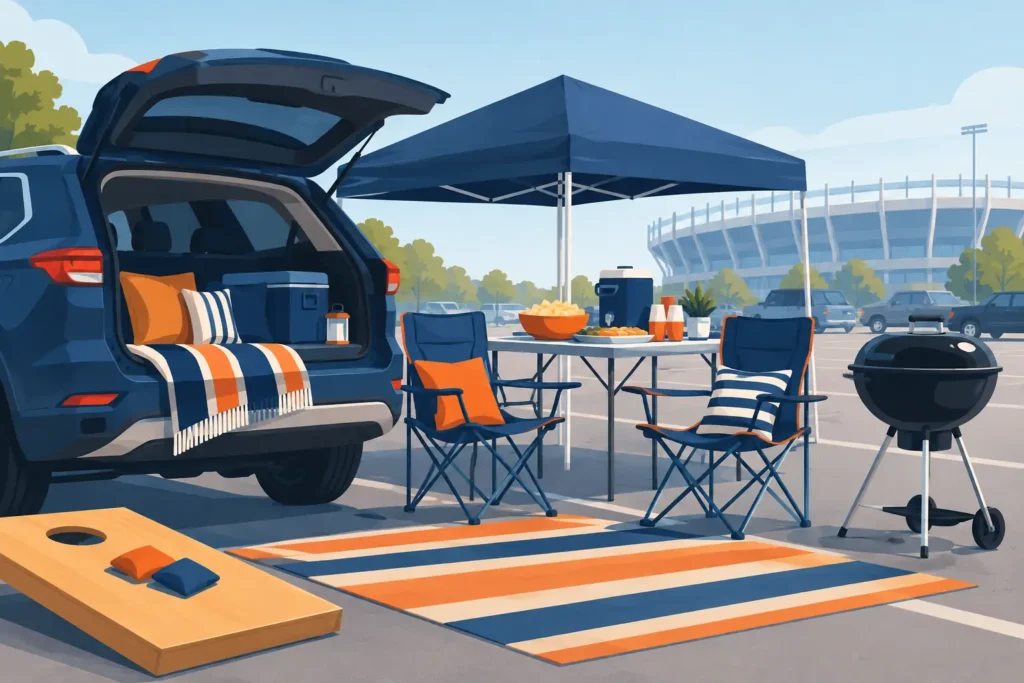
That matters because parties move. The grill gets hot, the sun shifts, the game starts, rain rolls in, or the crowd naturally gathers somewhere else. A purpose-built portable bar lets you reset your serving zone without turning your event into a furniture-moving project.
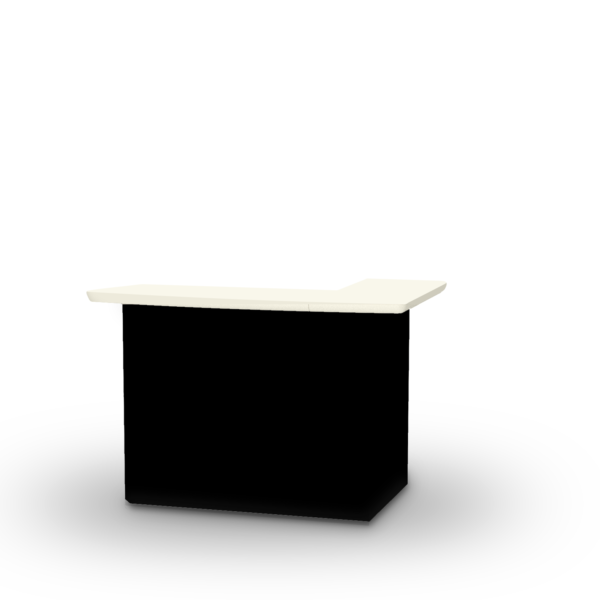
It also gives the host a better role. Instead of stepping away every few minutes to hunt for ice or supplies, you can stay in the middle of the action. Features such as built-in ice storage, shelf space, and an L-shaped layout are not just nice extras. They help keep drinks, tools, and backup supplies within reach so the bar stays active and the host stays social.
Build A Bar was made for this sweet spot: commercial-quality party presence that can show up at a backyard bash one weekend and a branded promotion or tailgate the next.
The Look Test: Background Furniture or Main Attraction?
There is a practical difference between having a place to set drinks and having a setup people remember. A standard counter can look great, but it usually belongs to the house. A basic cart is convenient, but it rarely becomes part of the party story.
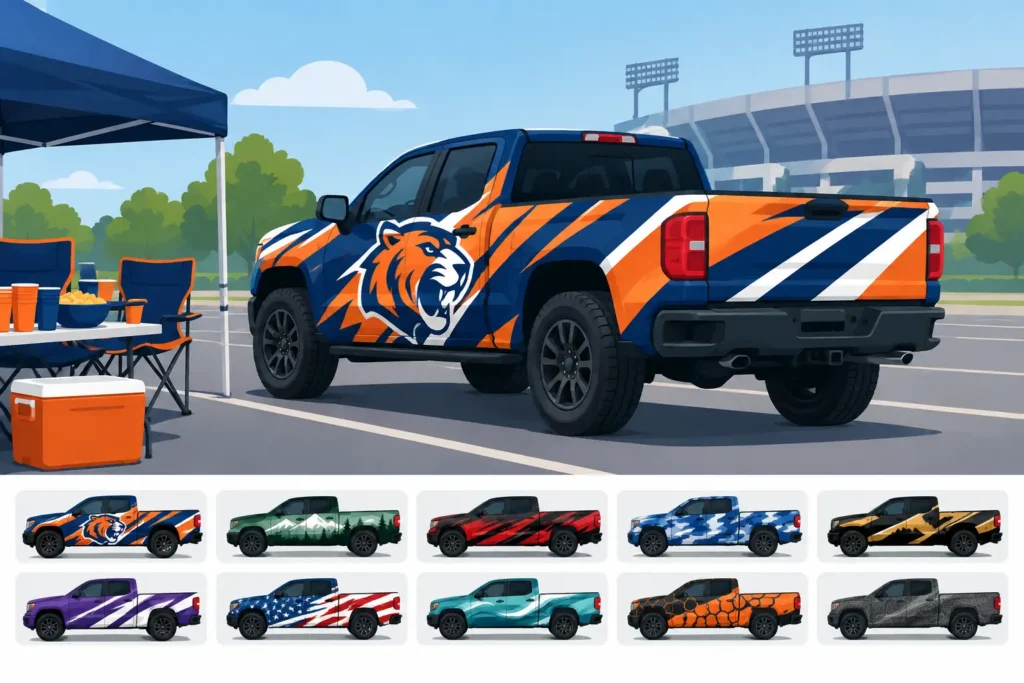
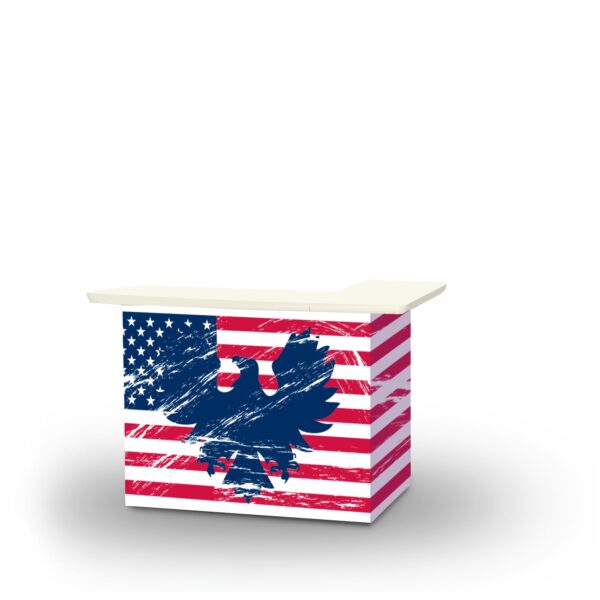
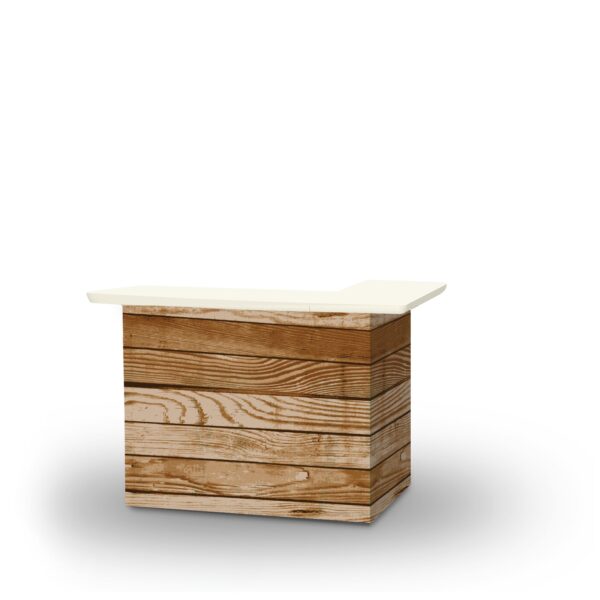
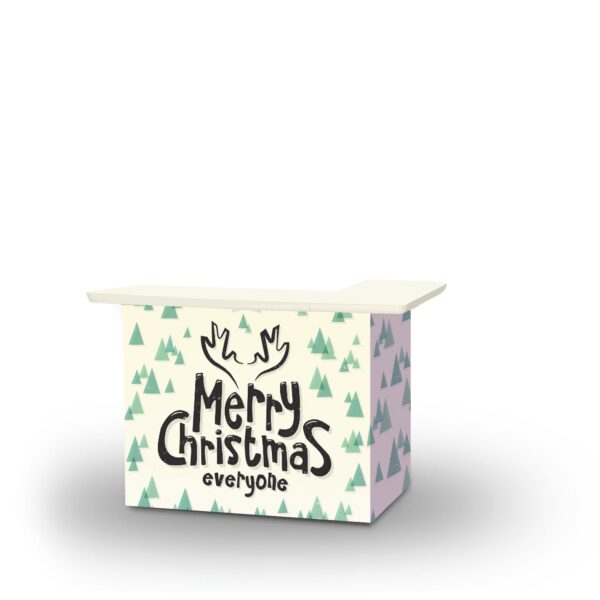
A customizable portable bar can do both jobs. Swap the exterior wrap for football season, a birthday theme, a beach look, a wedding color palette, or your business logo. The structure stays useful while the personality changes. That flexibility is especially valuable for hosts who throw different kinds of events instead of repeating the same setup every time.
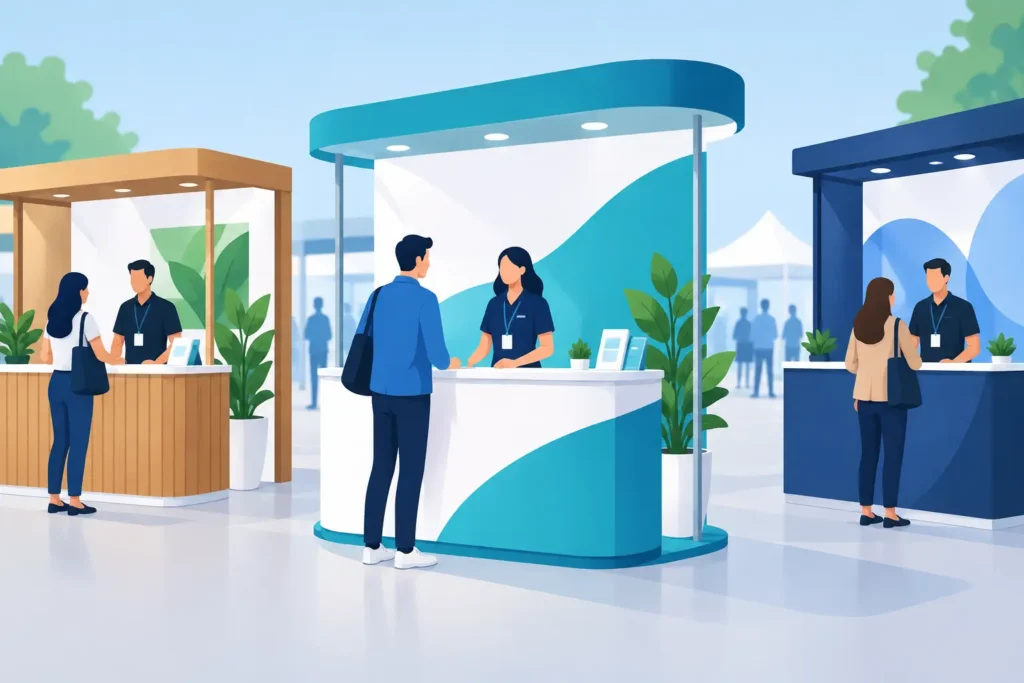
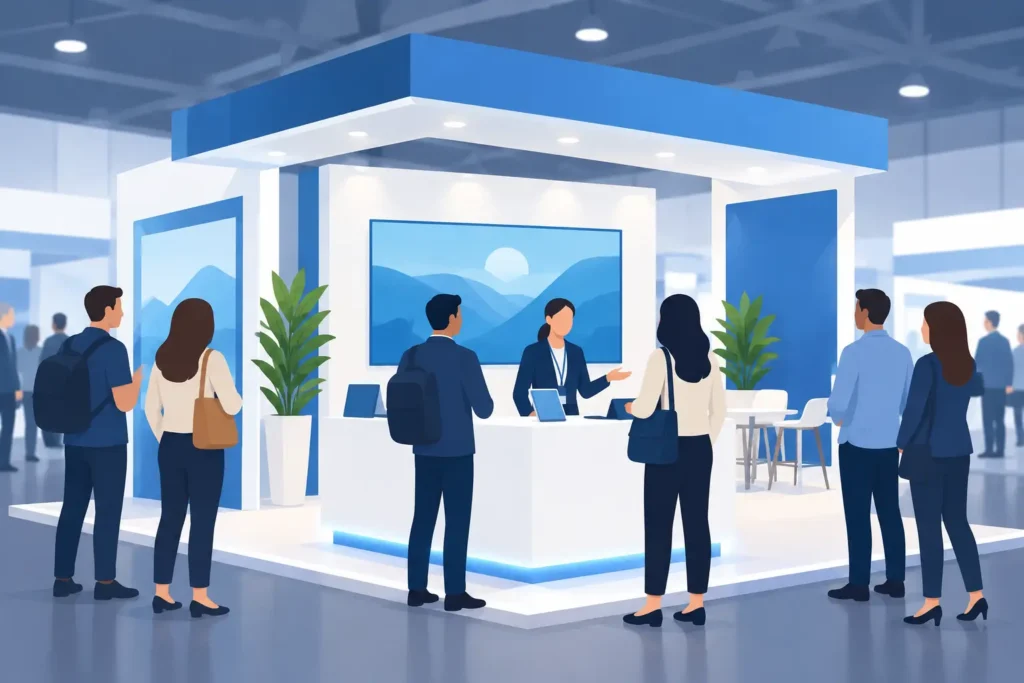
For businesses, the visual question is even bigger. A generic cart can carry samples, but it may not stop anyone. A branded serving station creates a clear focal point at a festival, expo, showroom, or promotional event. Guests know where to go, and your brand gets seen in the photos they take and share.
Ask These Questions Before You Buy
Before choosing a counter, cart, or portable bar, picture your next three events instead of your last one. A setup that works for a single birthday may not work for tailgating, a holiday open house, and a customer appreciation event.
Consider where you will use it. Smooth indoor flooring is easy on carts, while grass, patios, parking lots, and campsites call for something more stable. Think about guest count, too. Ten people grabbing canned drinks need far less workspace than 40 guests ordering cocktails during halftime.
Then consider storage and personality. Do you need a setup that folds away or travels? Do you want to store ice, glassware, mixers, and backup bottles at the station? And do you want your bar to match every occasion, or are you happy with one fixed look year-round?
There is no wrong answer if it fits the way you gather. A counter is the right call for a dedicated entertainment space. A cart is handy for light-duty serving in tight spaces. But when your parties are bigger, louder, more mobile, or more visual, a portable bar gives you room to serve and a reason for guests to circle up.
Your best setup should not merely hold the drinks. It should pull people together, keep the good times moving, and look ready for whatever celebration you throw next.